

Yeast fermentation is widely used in food, beverage, biotechnology, biofuel, and industrial production processes where controlled microbial activity is essential for consistent results. During fermentation, yeast activity, gas generation, aeration, agitation, proteins, nutrients, and other medium components can contribute to significant foam formation. Excessive foam may reduce vessel capacity, create overflow concerns, interfere with process monitoring, and increase cleaning requirements. The use of a suitable yeast fermentation antifoam can help manage unwanted foam while supporting stable fermentation conditions. Selection should consider fermentation chemistry, yeast behavior, temperature, pH, dosage, compatibility, and downstream processing needs.
Understanding Foam Formation During Yeast Fermentation
Role of Yeast Activity
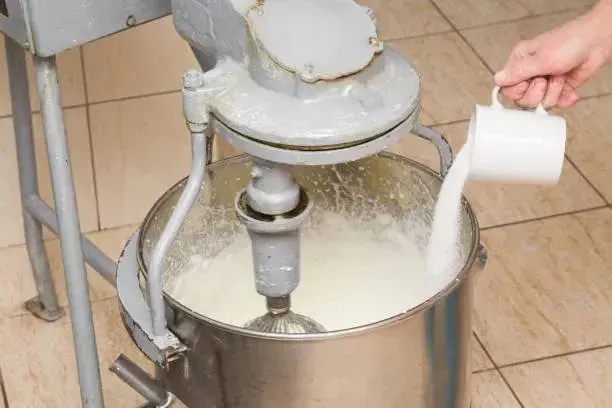
Yeast fermentation naturally produces gases and metabolic compounds that can contribute to foam formation. As yeast consumes available nutrients, carbon dioxide and other fermentation products are generated within the liquid. These gases form bubbles that may become stabilized by proteins, carbohydrates, organic compounds, and other surface active materials. The intensity of foam can change as fermentation progresses. Understanding these changes helps operators determine when foam control may be most important and what type of antifoam performance is required.
Influence of Aeration and Agitation
Some yeast fermentation processes involve aeration or mechanical agitation to support growth and improve mixing. These operations can introduce additional air into the fermentation medium and increase bubble formation. Higher agitation speeds may distribute bubbles more effectively throughout the liquid, creating persistent foam. The combination of biological gas generation and mechanical movement can therefore produce challenging foam conditions. A suitable antifoam should be evaluated under representative agitation and aeration conditions to confirm reliable performance.
Problems Caused by Excessive Foam
Reduced Vessel Capacity
Excessive foam can occupy a substantial portion of the headspace within fermentation vessels. When foam rises beyond the intended operating level, the available working capacity may be reduced. Operators may need to lower the working volume or make changes to fermentation conditions to prevent overflow. These adjustments can reduce production efficiency. Effective foam control can help maintain better use of available vessel capacity while supporting stable fermentation. The actual improvement depends on the process design and effectiveness of the selected formulation.
Equipment and Cleaning Challenges
Uncontrolled foam may reach vessel outlets, filters, sensors, exhaust systems, and surrounding equipment. This can create additional cleaning requirements and complicate routine maintenance. Foam carryover may also interfere with monitoring equipment and make process conditions more difficult to observe. Maintaining foam within the intended vessel area can reduce these operational challenges. A suitable antifoam should therefore provide reliable control without creating unnecessary problems for equipment or downstream processing.
Importance of Yeast Fermentation Antifoam
Supporting Stable Fermentation
Stable fermentation requires careful control of temperature, pH, nutrient availability, gas transfer, and microbial activity. Excessive foam can interfere with these conditions and may lead operators to make unnecessary process adjustments. Effective foam management can reduce the need for frequent intervention and support more predictable fermentation. However, antifoam selection should be based on actual process requirements because different yeast strains and fermentation media may respond differently to foam control formulations.
Improving Process Efficiency
Foam management can contribute to smoother production by reducing interruptions, minimizing overflow risks, and supporting more efficient use of fermentation equipment. When foam remains under control, operators can focus on maintaining the desired biological conditions instead of repeatedly responding to foam problems. Improved consistency may also simplify quality monitoring between batches. The overall benefit depends on dosage, formulation compatibility, process conditions, and the effectiveness of the application method.
Factors Affecting Foam Behavior
Fermentation Medium
The composition of the fermentation medium has a significant effect on foam formation. Sugars, proteins, nutrients, minerals, organic compounds, and other ingredients may influence bubble stability. Different yeast fermentation processes use different media, so foam behavior can vary considerably between applications. Testing the antifoam with the actual fermentation medium provides more reliable information about its effectiveness. It also helps identify possible interactions with nutrients or other components before full scale use.
Temperature
Temperature can influence yeast activity, fermentation rate, gas generation, and foam stability. Changes in temperature may therefore cause foam intensity to increase or decrease during different stages of fermentation. The selected antifoam should remain effective within the operating temperature range. Testing under representative conditions helps determine whether foam control remains stable throughout the process. This is particularly important for longer fermentation cycles where conditions may change over time.
pH
The pH of a fermentation system can change as yeast metabolizes nutrients and produces organic compounds. These changes may influence foam stability and antifoam behavior. A formulation should be evaluated across the expected pH range rather than under only one condition. Understanding the effect of pH helps operators select an antifoam that maintains reliable performance throughout fermentation. Regular process monitoring can also help identify whether changes in pH correspond with changes in foam behavior.
Selecting the Right Antifoam
Foam Knockdown
Rapid foam knockdown is useful when foam suddenly increases during active fermentation. A formulation capable of quickly reducing existing foam can help prevent overflow and protect available vessel capacity. However, rapid knockdown should not be the only selection criterion. The formulation should also provide appropriate persistence so that foam does not immediately return. Testing both initial foam reduction and longer term control gives a more complete understanding of antifoam performance.
Persistent Foam Control
Some yeast fermentation processes continue for several hours or days, making sustained foam control important. If foam returns rapidly after each application, frequent dosing may be required. This can increase consumption and complicate production management. A formulation with suitable persistence can help reduce repeated additions. The ideal persistence depends on fermentation conditions, medium composition, aeration, agitation, and yeast activity. Process specific testing helps determine the appropriate balance.
Protecting Yeast Performance
Microbial Compatibility
Yeast cells require suitable environmental conditions for efficient growth and fermentation. An antifoam should control unwanted foam without negatively affecting yeast activity or fermentation performance. Different yeast strains may respond differently to additives, making compatibility testing important. Small scale fermentation trials can help determine whether the formulation affects growth, fermentation rate, product formation, or other important parameters. This information can guide selection before larger production trials.
Maintaining Gas Transfer
Gas transfer can be important in some yeast fermentation processes, particularly during growth stages where oxygen availability influences microbial activity. Antifoams can alter bubble size and gas liquid interactions, potentially affecting transfer efficiency. The selected formulation should therefore be evaluated for its influence on gas transfer as well as foam control. The objective is to reduce excessive foam without creating unfavorable changes in the fermentation environment.
Optimizing Antifoam Dosage
Avoiding Insufficient Application
Insufficient antifoam may fail to control foam during periods of high yeast activity or increased gas generation. Under treatment can lead to foam overflow, reduced working capacity, and additional operator intervention. Dosage should be established through controlled testing rather than relying only on general recommendations. Monitoring foam levels throughout fermentation can help determine when treatment is required and whether the selected application rate remains effective.
Preventing Excessive Application
Over application can increase material consumption and may affect fermentation or downstream processing. Higher antifoam levels do not necessarily provide proportionally greater foam control. Excessive use may also influence bubble behavior and gas transfer. Optimizing dosage helps achieve a balance between effective foam reduction and efficient material usage. Testing several concentrations can establish a practical dosage range suitable for the specific yeast fermentation process.
Application Methods
Manual Dosing
Manual antifoam addition can be suitable for smaller systems or fermentation processes where foam behavior is predictable. Operators can monitor the vessel and add the formulation when foam reaches a defined level. Clear procedures can help ensure consistent dosage and reduce variations between batches. However, manual application depends on timely observation, which may make it less suitable for highly dynamic processes. Regular monitoring remains important to prevent foam from becoming excessive.
Automated Dosing
Automated dosing can provide more controlled foam management in larger or highly monitored fermentation systems. Foam sensors can detect changes in foam height and activate dosing equipment when necessary. This approach can reduce unnecessary antifoam consumption while maintaining more consistent foam levels. Automated systems require proper calibration and maintenance to ensure accurate operation. The antifoam should also disperse effectively within the relevant process area to provide reliable results.
Testing and Validation
Laboratory Testing
Laboratory testing provides a practical way to evaluate potential antifoam formulations before production trials. Small scale fermentation systems can be used to assess foam reduction, yeast activity, fermentation performance, and compatibility. Testing with the actual yeast strain and fermentation medium provides more useful results than using simplified laboratory liquids. Different dosage levels can also be compared to determine an appropriate application range. This process helps reduce uncertainty during larger scale testing.
Production Trials
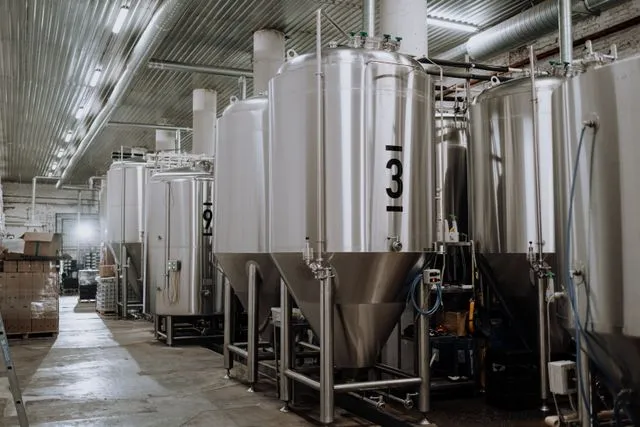
Production trials provide a more realistic evaluation because they involve actual fermentation equipment, raw materials, operating temperatures, agitation, and gas generation. Operators can monitor foam behavior while also evaluating fermentation performance and product quality. Changes in process conditions should be documented because they can influence foam formation. Data from production trials can help establish practical dosage rates, addition points, and monitoring procedures for routine operations.
Considering Downstream Processing
The effects of antifoam should also be considered after fermentation. Depending on the application, fermented material may undergo filtration, centrifugation, distillation, concentration, purification, or other separation processes. Residual antifoam may influence some of these operations depending on its composition and dosage. Therefore, downstream compatibility should be considered when selecting a formulation. Evaluating the entire production process helps ensure that foam control does not create unwanted complications during later processing stages.
Building a Reliable Foam Management Strategy
Effective foam control requires continuous attention to fermentation conditions and process behavior. Operators should monitor temperature, pH, yeast activity, gas generation, agitation, aeration, and foam levels. Changes in any of these factors may alter foam intensity and antifoam requirements. A flexible dosing strategy allows treatment to respond to actual process conditions rather than relying on a fixed amount. Regular evaluation can also help identify opportunities to reduce consumption while maintaining reliable foam control.
Long Term Benefits of Effective Foam Control
Consistent foam management can support better utilization of fermentation vessels and reduce production interruptions. It may also reduce cleaning requirements, improve equipment reliability, and make process monitoring easier. More stable fermentation conditions can contribute to predictable production from batch to batch. These benefits can become particularly valuable in large scale operations where even small process interruptions may affect productivity. Regular review of foam behavior and antifoam performance helps maintain these benefits as production conditions evolve.
Conclusion
Yeast fermentation requires effective foam management because excessive foam can interfere with vessel capacity, equipment operation, process monitoring, and production efficiency. Selecting the right antifoam involves evaluating yeast compatibility, fermentation medium, temperature, pH, aeration, agitation, dosage, gas transfer, and downstream processing. Laboratory testing and production trials can help establish reliable performance under realistic conditions. A well planned foam control strategy can support smoother fermentation and more consistent processing. PMC Ouvrie can support yeast fermentation requirements with application focused foam control expertise designed around specific fermentation and processing conditions.
























Sign in to leave a comment.