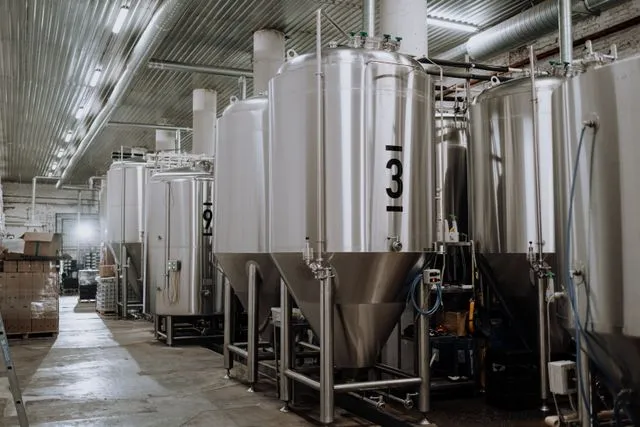

Foam is a common challenge during amino acid fermentation because intensive aeration, agitation, proteins, nutrients, and microbial activity can create persistent bubbles. If foam is not controlled properly, it can occupy valuable vessel space, interfere with sensors, increase contamination risks, and reduce effective fermentation capacity. When you select an amino acid fermentation antifoam, you need to consider more than rapid foam collapse. The material should work effectively while supporting microbial growth, oxygen transfer, product formation, and downstream recovery. A balanced foam strategy can therefore help maintain stable fermentation conditions throughout production.
Why Amino Acid Fermentation Creates Persistent Foam
During amino acid production, microorganisms grow in an aerated liquid containing nutrients and other surface active components. Agitation disperses air throughout the fermentation broth, producing bubbles that can become stabilized by proteins, cellular materials, and metabolic compounds. As fermentation progresses, the composition of the broth can change, which may make foam increasingly stable. Research on fermentation foam has shown that foam behavior can change substantially during cultivation as protein content and other broth characteristics develop. This means foam control requirements may not remain constant from inoculation through the final production stage.
How Excessive Foam Affects Fermentation
Excessive foam can reduce usable working volume and create operational problems inside the fermenter. When foam expands toward the vessel outlet, it may carry liquid, cells, nutrients, and valuable amino acid product into exhaust systems. This can increase product loss and place additional demands on filters and cleaning procedures. Severe foaming can also interfere with gas exchange and process monitoring. By keeping foam within a controlled range, you can protect available vessel capacity and reduce unnecessary process interruptions. Effective foam management therefore contributes directly to reliable fermentation performance and more consistent production conditions.
Selecting the Right Antifoam Strategy
Choosing an antifoam requires careful evaluation of the complete fermentation process. You should consider the microorganism, fermentation medium, temperature, agitation rate, aeration level, foam characteristics, and downstream purification requirements. An antifoam that performs well under one set of conditions may behave differently when broth composition or operating parameters change. Published research indicates that different antifoam technologies can show substantially different performance as fermentation progresses. Therefore, selection should be based on representative process testing rather than assuming that one formulation will provide identical results across every amino acid fermentation system.
Balancing Foam Control With Oxygen Transfer
Oxygen transfer is particularly important during aerobic amino acid fermentation because microorganisms require sufficient oxygen for growth and product formation. Antifoam addition can influence bubble behavior and gas liquid mass transfer, so excessive dosing may affect oxygen transfer performance. You should therefore evaluate foam suppression alongside dissolved oxygen, agitation, aeration, and culture performance. The objective should be controlled foam rather than complete elimination of every bubble. A carefully selected and properly dosed antifoam can help maintain an appropriate operating environment while avoiding unnecessary changes to gas dispersion. This balance is essential when maximizing fermentation productivity.
Avoiding Excessive Antifoam Addition
Adding more antifoam does not necessarily provide better process control. Excessive quantities may increase material consumption and can complicate downstream separation or purification. Research reviews have noted that antifoam materials can influence oxygen transfer and may create additional challenges during product recovery. You can reduce these risks by establishing a practical dosage range through controlled trials and monitoring the response of the fermentation broth. Incremental dosing is often more manageable than making large additions at once because it allows you to respond to actual foam conditions while limiting unnecessary chemical input.
Managing Foam Throughout the Fermentation Cycle
Foam behavior can change significantly as amino acid fermentation progresses. Early fermentation may produce manageable foam, while increased biomass, nutrient feeding, aeration, and metabolic activity can create stronger and more persistent foam later. You should therefore avoid treating foam control as a single addition made only at the beginning of the batch. Instead, monitor the fermentation cycle and identify stages where foam typically increases. A responsive dosing strategy can provide control when needed without maintaining unnecessarily high antifoam concentrations throughout the entire fermentation period.
Using Controlled Dosing
Controlled dosing can help maintain a more consistent foam level while reducing unnecessary antifoam consumption. You can connect dosing decisions to foam sensors, process observations, or established operating thresholds. Small additions made when foam approaches a predetermined level can be more precise than repeated large additions. This approach also allows you to evaluate how quickly the selected material responds and how long the effect lasts. A reliable dosing strategy should account for changes in aeration, agitation, feeding, and broth composition so that foam control remains aligned with actual fermentation conditions rather than fixed assumptions.
Evaluating Antifoam Performance Over Time
An antifoam should not be judged only by its initial performance. Fermentation research has shown that foam stability can increase as culture time advances, while the effectiveness of some antifoams may decline under changing broth conditions. You should therefore test performance at different stages of the actual fermentation cycle. Monitoring foam height, dosing frequency, dissolved oxygen, agitation requirements, and product concentration can reveal whether performance remains stable. This information helps identify whether the selected formulation continues working effectively or whether adjustments are needed during later stages of amino acid production.
Protecting Microbial Fermentation Performance
The microorganisms responsible for amino acid production need stable environmental conditions to maintain productive activity. Any foam control material should therefore be assessed for compatibility with the culture and fermentation medium. Historical research on amino acid fermentation has specifically recognized concerns about antifoams that may interfere with microbial growth or product formation. You should conduct compatibility testing under realistic fermentation conditions before introducing a formulation into routine production. Evaluating growth, substrate utilization, amino acid concentration, fermentation time, and final yield can help confirm that foam control is supporting rather than disrupting the biological process.
Considering Fermentation Medium Composition
The composition of the fermentation medium can strongly influence foam behavior and antifoam requirements. Proteins, nutrients, salts, sugars, cellular materials, and metabolic products can affect bubble stability in different ways. As the broth changes during cultivation, the same antifoam concentration may produce a different response. You should therefore consider the complete medium rather than evaluating foam control in water or a simplified laboratory solution alone. Representative broth testing provides a more realistic understanding of how the selected material behaves under the temperature, aeration, agitation, and biological conditions used during actual amino acid production.
Maintaining Stable Process Conditions
Stable process conditions make foam management easier because sudden changes in aeration, agitation, feeding, or temperature can alter foam behavior. You can reduce unexpected foam events by identifying process stages associated with higher foaming and preparing suitable control responses in advance. Consistent monitoring also helps distinguish between normal foam variation and a developing process problem. When foam trends are reviewed alongside dissolved oxygen, pH, temperature, and feed information, you gain a clearer picture of what is happening inside the fermenter. This integrated approach supports better decisions and reduces unnecessary interventions during production.
Supporting Production Capacity
Foam control can help you use fermentation equipment more efficiently by preventing excessive expansion into available headspace. When foam becomes severe, operators may need to reduce working volume or adjust process conditions to prevent overflow. Such changes can limit production capacity and reduce the amount of amino acid produced per batch. Effective foam management allows the process to operate closer to its intended working volume while maintaining an appropriate safety margin. Industrial experience has also demonstrated that combining foam control technology with targeted antifoam dosing can significantly reduce antifoam consumption during amino acid fermentation.
Reducing Downstream Complications
Foam control should also be evaluated in relation to downstream processing. Antifoam residues may influence filtration, membrane performance, separation, or purification depending on the formulation and process design. If excessive antifoam enters the recovery stage, additional treatment or separation steps may become necessary. You can reduce this risk by selecting a formulation with suitable downstream compatibility and using the lowest effective dosage. Testing should continue beyond the fermenter because successful foam suppression is only one part of the overall production objective. A good solution should support fermentation stability while also fitting efficiently into product recovery.
Combining Chemical and Mechanical Methods
Chemical antifoam does not always need to perform the entire foam control function by itself. Mechanical foam breakers, vessel design features, and controlled operating conditions can sometimes complement chemical treatment. Reviews of biotechnological foam management describe mechanical approaches as useful options for reducing antifoam requirements in suitable systems. You can evaluate whether a combined strategy is practical by comparing foam intensity, equipment requirements, maintenance needs, energy consumption, cleaning procedures, and overall production performance. The most effective approach depends on the specific fermentation system and should be established through representative testing rather than assumptions.
Improving Foam Control Through Process Testing
Before implementing an antifoam at full production scale, you should conduct structured testing under conditions that closely represent the intended process. Laboratory and pilot studies can compare different formulations, dosage levels, addition points, and dosing frequencies. Testing should measure foam behavior as well as biological and physical process indicators. You can examine microbial growth, amino acid concentration, dissolved oxygen, aeration demand, product recovery, and cleaning behavior. This broader evaluation helps identify a solution that provides reliable foam control without creating new limitations elsewhere in the production process.
Building a Consistent Operating Procedure
A documented foam management procedure can make production more predictable from one batch to another. You should define acceptable foam levels, monitoring frequency, dosing triggers, maximum practical dosage, and responses to unexpected foam increases. Operators can then follow a consistent approach instead of relying entirely on visual judgment during difficult production periods. Batch records can provide additional information about when foam develops and how much antifoam is required. Reviewing these records over time may reveal opportunities to improve dosage efficiency, reduce material consumption, and maintain more consistent fermentation performance across multiple production cycles.
Conclusion
Managing foam during amino acid production requires a careful balance between rapid suppression and protection of fermentation performance. Excessive foam can reduce vessel capacity, interfere with oxygen transfer, increase product loss, and create downstream challenges, while excessive antifoam can introduce its own process concerns. By selecting a compatible formulation, monitoring foam throughout fermentation, controlling dosage, and validating performance under representative conditions, you can maintain a more stable production environment. PMC Ouvrie provides specialized foam control expertise for amino acid production, supporting reliable fermentation management while helping manufacturers maintain product quality and process efficiency.
























Sign in to leave a comment.