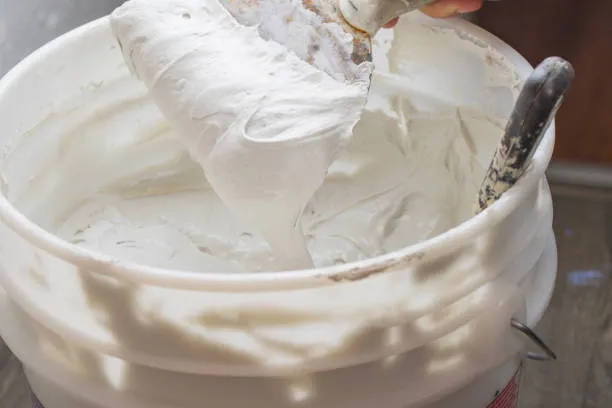

Gypsum product manufacturing involves mixing minerals, water, binders, additives, and specialty ingredients under carefully controlled conditions. During mixing and processing, air can become trapped within the formulation and create foam that affects production efficiency and finished product quality. For this reason, gypsum defoamer selection becomes important when manufacturers need to control unwanted bubbles without compromising the characteristics of the final material. Effective foam management can support smoother mixing, improved surface appearance, consistent density, and more predictable processing. Selecting an appropriate solution requires consideration of formulation chemistry, equipment, dosage, and manufacturing conditions.
Why Foam Develops in Gypsum Products
Foam formation in gypsum systems can result from mechanical mixing, surfactants, dispersing agents, polymers, and other formulation components. As ingredients are blended with water, high speed agitation can introduce air into the mixture and create numerous small bubbles. Some additives can stabilize these bubbles, allowing them to remain suspended for extended periods. The viscosity of the formulation may further prevent air from escaping naturally. If foam becomes excessive, it can influence filling, spreading, setting, and surface quality. Understanding the causes of foam provides manufacturers with a stronger foundation for selecting an appropriate control strategy.
Influence of Raw Material Composition
Raw material composition can significantly influence foaming behavior during gypsum production. Different mineral sources, binders, fillers, polymers, and additives may interact with water and air in different ways. Variations in particle size, purity, moisture content, and additive concentration can therefore change the amount of foam generated during processing. Even minor changes in formulation may affect air incorporation and bubble stability. Manufacturers should monitor raw material consistency when evaluating defoamer performance. By understanding how individual ingredients contribute to foaming, production teams can make more informed decisions about formulation adjustments and foam control requirements.
Mixing Conditions and Air Entrapment
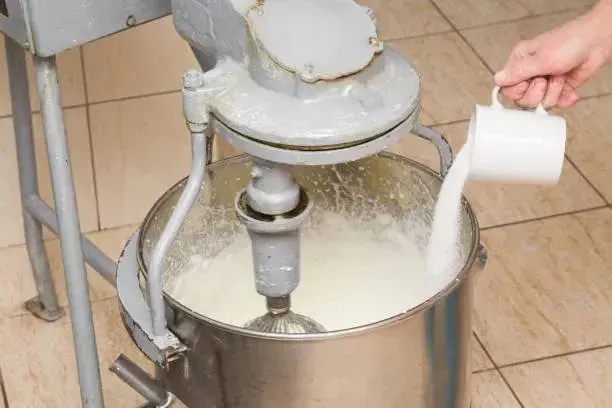
Mixing conditions are among the most important factors influencing foam generation in gypsum manufacturing. High speed mixers can introduce substantial amounts of air, especially when formulations contain surfactants or polymeric additives. Mixing duration, impeller design, batch size, and equipment configuration can also affect bubble formation. Excessive agitation may create smaller bubbles that are more difficult to release from viscous materials. A suitable defoamer should therefore be evaluated under realistic production conditions. Laboratory testing with gentle mixing may not accurately predict industrial performance, making production scale trials valuable when determining the most appropriate foam control approach.
Effect of Viscosity on Foam Control
Viscosity plays an important role in determining how easily trapped air can escape from gypsum formulations. Highly viscous mixtures may hold bubbles within the material for longer periods, while lower viscosity systems can allow air to rise more readily. Changes in water content, polymers, thickeners, and mineral concentration can all influence viscosity during production. A defoamer needs to work effectively within the specific rheological environment of the formulation. If foam remains trapped despite adequate mixing, manufacturers may need to evaluate both the defoamer and formulation properties. Understanding viscosity helps establish more reliable expectations for air release and foam reduction.
Defoamer Compatibility with Gypsum Formulations
Compatibility is essential when selecting a defoamer for gypsum products. A material that effectively collapses foam may still create unwanted changes if it interacts negatively with binders, fillers, pigments, polymers, or setting additives. Potential effects may include changes in surface appearance, adhesion, setting behavior, workability, or density. Therefore, foam suppression should always be evaluated alongside the important performance properties of the final product. Comparative testing can help identify formulations that provide efficient air release without introducing undesirable effects. A balanced approach ensures that foam control contributes positively to the overall manufacturing process and finished material quality.
Balancing Air Release and Product Performance
Effective foam control does not always mean eliminating every trace of air from a gypsum formulation. Some systems require a controlled level of air to maintain particular handling or application characteristics. The objective is usually to reduce unwanted entrained air and excessive surface foam while preserving the intended properties of the product. Manufacturers can evaluate air content, bubble distribution, density, surface finish, and workability together to establish an appropriate target. This approach provides a clearer basis for selecting and dosing a defoamer because it considers the complete formulation rather than focusing only on visible foam.
Dosage Optimization
Correct dosage is another major challenge in gypsum manufacturing. An insufficient amount of defoamer may provide inadequate foam control, while excessive dosing can increase costs and potentially affect other product properties. The optimum level depends on formulation chemistry, mixing energy, temperature, viscosity, and the concentration of foam forming ingredients. Manufacturers should therefore establish dosage ranges through controlled trials rather than relying on a universal application rate. Testing several concentrations can reveal the point where foam reduction becomes effective without unnecessary product use. Once an appropriate range is identified, consistent dosing procedures can support repeatable manufacturing results.
Influence of Water Content
Water content can have a substantial effect on foam formation and defoamer performance in gypsum products. Changes in water levels influence viscosity, flow, particle dispersion, mixing behavior, and setting characteristics. A formulation containing more water may respond differently from a thicker system because air can move through the mixture more easily. However, excessive water may also alter the final properties of the product. Defoamer performance should therefore be evaluated alongside the intended water ratio. Maintaining consistent water addition helps reduce process variation and makes it easier to identify whether changes in foam behavior are caused by formulation or operating conditions.
Challenges During Board and Panel Production
Gypsum boards and panels require consistent material distribution and surface quality during manufacturing. Entrapped air can create voids, uneven surfaces, density variations, or other defects that become visible during finishing or installation. Continuous production also means that foam behavior needs to remain controlled across extended operating periods. Changes in mixing conditions, raw material supply, or additive concentration can influence performance. A suitable defoamer can help maintain more consistent air release when correctly integrated into the production process. Monitoring board density, surface appearance, and processing behavior can provide useful information about whether foam control measures are delivering reliable results.
Challenges in Plaster Manufacturing
Gypsum plasters need appropriate consistency, spreadability, and surface finish for successful application. Excessive foam may affect these characteristics by introducing unwanted air into the material. After application, trapped bubbles can contribute to pinholes, uneven textures, or additional finishing requirements. Different plaster formulations may also contain additives that influence foam stability. Defoamer selection should therefore account for the complete formulation rather than focusing only on the gypsum component. Controlled evaluation can determine whether a selected product reduces air effectively while maintaining the workability, setting behavior, adhesion, and appearance expected from the finished plaster.
Setting Time and Foam Control
Gypsum products undergo chemical setting after water is introduced, making timing an important consideration during processing. Changes in formulation chemistry can influence how quickly the material sets and how long entrapped air remains within the mixture. A defoamer should provide effective foam control without interfering with the intended setting behavior. Testing should therefore include observations of setting time alongside foam reduction. If a formulation exhibits changes after introducing a new foam control product, manufacturers may need to investigate potential interactions with setting regulators or other additives. Maintaining the desired setting profile is essential for consistent production and application performance.
Temperature and Processing Conditions
Temperature can influence mixing behavior, viscosity, chemical reactions, and bubble stability in gypsum formulations. Manufacturing environments may experience temperature variations that affect both raw materials and finished mixtures. A defoamer that performs effectively under one temperature range may require additional evaluation under different conditions. Temperature can also affect the speed at which air escapes from the formulation. Production teams should therefore consider operating temperature when conducting foam control trials. Maintaining stable processing conditions wherever possible can make performance more predictable and help manufacturers distinguish between changes caused by temperature and those caused by formulation or dosing adjustments.
Equipment Design and Maintenance
Equipment design can contribute significantly to foam formation and control. Mixer geometry, impeller configuration, pump selection, transfer lines, and filling systems all influence how much air enters the gypsum mixture. Worn equipment or altered operating speeds may further change the level of mechanical aeration. Regular inspection and maintenance help reduce unnecessary process variation. When unusual foaming occurs, checking equipment performance can be as important as reviewing the defoamer dosage. A well maintained production system provides more consistent conditions for evaluating foam control and helps ensure that the selected defoamer performs as expected throughout repeated manufacturing cycles.
Evaluating Defoamer Performance
Performance evaluation should include more than observing whether visible foam disappears from the surface. Manufacturers can assess air content, density, surface smoothness, setting behavior, workability, mixing performance, and finished product characteristics. Comparing these factors across several dosage levels can help identify the most effective operating range. Production trials should ideally reflect actual equipment and processing conditions because industrial shear and mixing intensity can differ considerably from laboratory tests. Maintaining accurate records also makes it easier to compare results between batches. A structured evaluation process supports more informed decisions and reduces the risk of selecting a solution based on limited observations.
Importance of Consistent Manufacturing
Consistency is essential for gypsum product manufacturers because customers expect similar performance from one batch to another. Variations in raw materials, water addition, mixing energy, temperature, and defoamer dosage can affect foam levels and final product characteristics. Establishing clear application procedures helps reduce these variations. Automated dosing can also improve repeatability where suitable equipment is available. Regular monitoring allows production teams to identify deviations before they become significant quality problems. By treating foam control as part of overall process management, manufacturers can support stable production while maintaining the physical and application properties expected from their gypsum products.
Conclusion
Gypsum manufacturing can present several foam related challenges involving raw materials, mixing conditions, viscosity, water content, additives, equipment, temperature, and setting behavior. Effective defoamer selection requires these factors to be considered together because no single characteristic determines overall performance. Controlled testing, appropriate dosage, equipment maintenance, and consistent process monitoring can help manufacturers achieve reliable air release while protecting finished product quality. A carefully selected solution can contribute to smoother processing, improved surface appearance, and more consistent manufacturing outcomes. For specialized foam control requirements in gypsum and construction material production, PMC Ouvrie provides expertise and solutions designed for demanding industrial applications.




























Sign in to leave a comment.