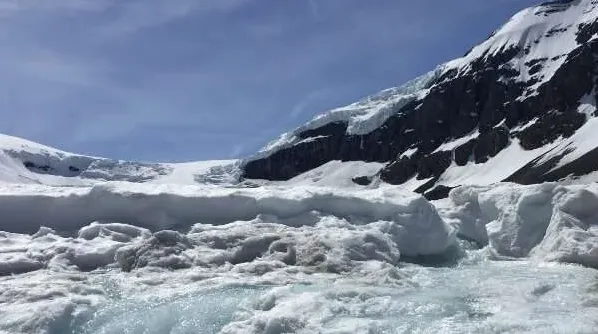

The Columbia Icefield Glacier Adventure is one of Canada's most unforgettable travel experiences. Located in the heart of the Canadian Rockies, it gives visitors the rare opportunity to explore the ancient Athabasca Glacier and witness breathtaking mountain landscapes. However, one thing every traveler should know before visiting is that the weather can change quickly.
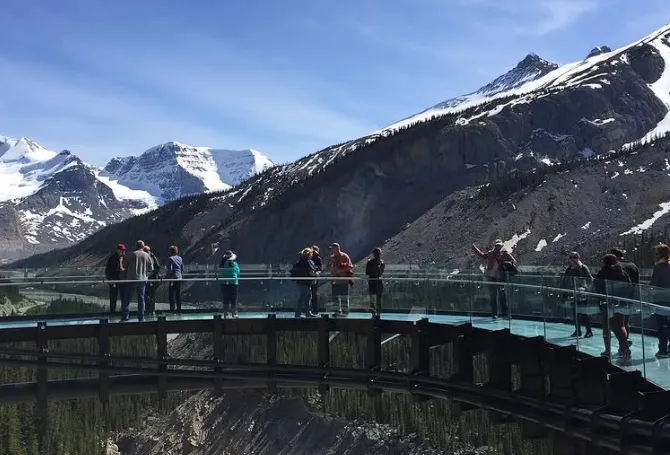
A sunny morning can turn into a chilly afternoon within minutes, even during the summer. Knowing what to expect and how to prepare will help you stay comfortable and enjoy every moment of your glacier adventure.
Why Weather Matters at the Columbia Icefield
The Columbia Icefield sits at a high elevation, where temperatures are naturally cooler than nearby towns. Wind, snow, rain, and fog can appear unexpectedly, regardless of the season. Because you'll spend time outdoors and on the glacier itself, dressing appropriately is essential.
Checking the weather forecast before your trip is a smart first step, but remember that mountain weather is often unpredictable. It's always better to prepare for cooler conditions than you expect.
Summer Weather Can Still Feel Cold
Many visitors plan their trip between June and September because these months usually offer the best road conditions and longer daylight hours. While nearby areas may feel warm, the glacier remains much colder.
Even on a sunny day, temperatures on the ice can feel close to freezing when strong winds are present. A lightweight jacket may not be enough if you're standing outside for an extended period.
Wearing layers allows you to adjust your clothing throughout the day as temperatures change.
Dress in Layers for Maximum Comfort
Layering is the easiest way to stay comfortable during the Columbia Icefield experience.
Start with a moisture-wicking base layer that keeps sweat away from your skin. Add an insulating middle layer, such as a fleece or light sweater, to provide warmth. Finish with a waterproof and wind-resistant jacket that protects against rain and cold winds.
This combination works well in almost every season and helps you stay comfortable without carrying heavy clothing.
Choose the Right Footwear
The glacier surface can be wet, icy, or uneven in certain areas. Comfortable shoes with good traction are important for safety.
Closed-toe hiking shoes or sturdy sneakers with non-slip soles are usually the best choice. Avoid sandals, high heels, or smooth-soled shoes that can become slippery.
Good footwear makes walking easier and gives you better stability throughout your visit.
Don't Forget Essential Accessories
Small items can make a big difference during your trip.
Bring sunglasses because sunlight reflecting off the ice can be very bright. Sunscreen is also important since UV rays are stronger at higher elevations.
A warm hat and lightweight gloves can provide extra comfort, especially if temperatures drop or the wind becomes stronger.
Keeping a reusable water bottle with you will help you stay hydrated throughout the day.
Be Ready for Rain at Any Time
Rain showers are common in mountain environments, even during summer. A compact waterproof jacket or rain shell can quickly become one of the most valuable items in your backpack.
Instead of carrying a large umbrella, which is difficult to use in windy conditions, choose lightweight rain gear that allows you to move freely.
Morning Visits Often Offer Better Conditions
If your schedule allows, consider visiting earlier in the day. Morning tours often provide calmer weather, cooler temperatures, and clearer mountain views.
Clouds sometimes build during the afternoon, reducing visibility and changing weather conditions. Earlier visits can also help you avoid larger crowds during peak travel months.
Winter Brings a Different Experience
Winter transforms the Columbia Icefield into a peaceful snowy landscape. While the scenery is spectacular, temperatures become much colder, and weather conditions can be more challenging.
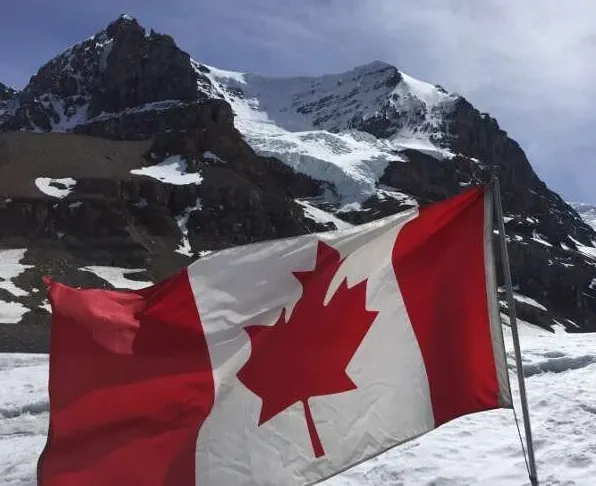
Travelers visiting during colder months should wear insulated winter clothing, waterproof boots, thermal gloves, and warm hats. Road conditions can also change quickly, so checking travel updates before driving is highly recommended.
Watch for Sudden Weather Changes
Mountain weather is known for changing without much warning. Clear skies can quickly become cloudy, and strong winds may appear unexpectedly.
Pay attention to weather updates throughout your visit and follow instructions from tour staff. They monitor conditions closely and prioritize visitor safety.
Being flexible with your plans helps ensure a more enjoyable experience if weather conditions change.
Protect Your Camera and Electronics
Cold temperatures can reduce battery life faster than expected. Carry an extra battery if you plan to take many photos.
A waterproof bag or protective cover will also help keep your camera and phone safe if rain or snow develops during your adventure.
The stunning glacier scenery is worth photographing, but protecting your equipment ensures you won't miss those unforgettable moments.
Final Thoughts
The Columbia Icefield Glacier Adventure offers an incredible opportunity to experience one of Canada's most remarkable natural attractions. While the weather can be unpredictable, a little preparation goes a long way.
Dress in layers, wear comfortable footwear, carry weather-resistant gear, and stay informed about current conditions. With the right planning, you'll be ready to enjoy the glacier safely and comfortably, no matter what the mountain weather brings.
Whether you're visiting for the first time or returning to explore the Canadian Rockies again, being prepared for changing weather will help you make the most of every moment on this unforgettable glacier adventure.
FAQs
What is the best weather for the Athabasca Glacier tour?
Clear, dry days between June and September usually provide the most comfortable conditions, but visitors should still expect cool temperatures on the glacier.
Do I need a jacket in summer?
Yes. Even during summer, the glacier is much colder than nearby towns, and strong winds can make it feel even colder.
Can it snow during summer?
Yes. Snow is possible at higher elevations, even during the warmer months.
What shoes should I wear?
Wear closed-toe hiking shoes or sturdy sneakers with good grip. Avoid sandals or slippery footwear.
Should I check the weather before visiting?
Absolutely. Mountain weather changes quickly, so checking the forecast before leaving and preparing for different conditions is always recommended.
Read more about: https://gr8traveltips.com/

























Sign in to leave a comment.