
Understanding Illegal Logging and Deforestation:
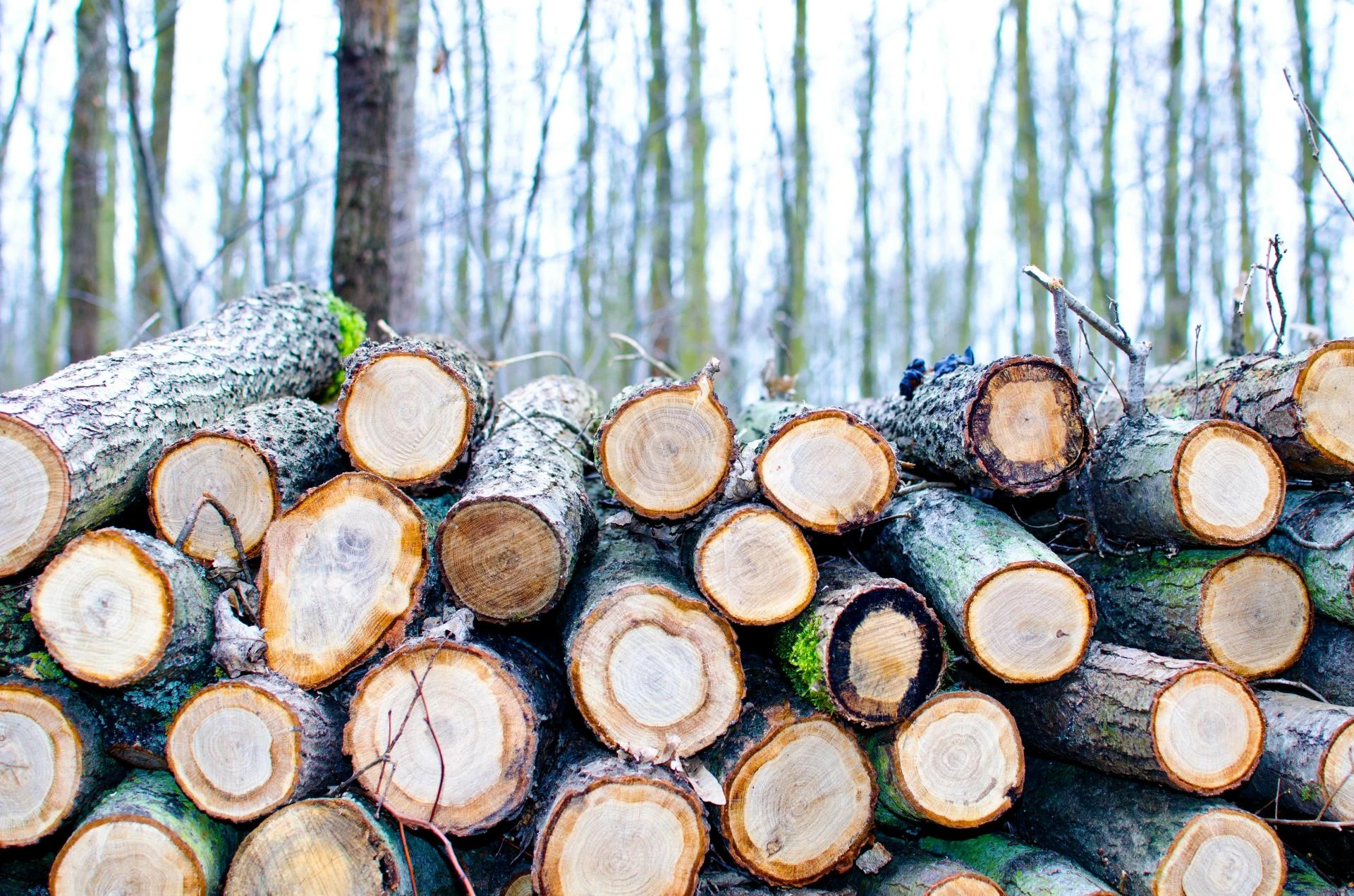
Illegal logging and deforestation are major environmental challenges that have wide-reaching impacts on global ecosystems, biodiversity, and local communities. Illegal logging is the illegitimate gathering, conveying, and commercialization of timber. This process should turn out to be illegal; it violates national laws as well as international treaties, with disastrous environmental and economic consequences.
Conversely, deforestation is the extensive removal of forested land, commonly to create space for agriculture, infrastructure expansion, or urban growth.
The causes of illegal logging are multifaceted, ranging from poor governance to corruption, to high market demand for inexpensive timber. It deprives governments of revenue from the legal timber trade and threatens the livelihoods of Indigenous and local communities that depend on forests for their sustenance. In addition, it causes the rapid extinction of biodiversity as it destroys the habitat of innumerable creatures, resulting in the disruption of the ecosystem.
Deforestation is often associated with illegal logging, but it is a more complex issue. It plays a major role in global warming by decreasing the amount of carbon dioxide the planet can absorb.
Deforestation in UAE on a massive scale causes soil degradation, and water cycle disruptions, and increases the likelihood of natural disasters like landslides and floods. It also threatens species of plants and animals, contributing to irreplaceable losses in biodiversity.
The Negative Effects of Illegal Logging and Deforestation
The impact of illegal logging and deforestation on human life; the environment, economy, and society is very serious and multi-faceted. Some major drawbacks are:
- Loss of Biodiversity: Illegal logging and deforestation destroy habitats, leading to the extinction of many species that rely on forests for survival.
- Climate Change Acceleration: Trees use carbon dioxide to make oxygen. Their destruction adds to greenhouse gas emissions, driving global warming and climate instability.
- Soil Erosion and Degradation: Roots bind the soil. If we didn't have them, the soil would wash down, and fields would become barren or desert.
- Disruption of the Water Cycle: Forests are essential to regulating rainfall and avoiding droughts. In many areas, deforestation changes these natural processes and leads to water shortages.
- Economic and Social Impact: Illegal logging costs governments revenue, directly impacting public services. Significantly, it also threatens the livelihood of indigenous and local communities, who rely on forests for subsistence.
Fighting illegal logging and Deforestation with PEFC Multiple Site Certification
The Programme for the Endorsement of Forest Certification (PEFC) is one such leading global organization that promotes sustainable forest management. Draw the experience from your peers as a benefit of PEFC Multiple-Site Certification in Dubai in order to become the influence in the chain of value for responsible forest management with your own company or organization!
By applying strict standards, this certification system encourages environmentally sustainable forest management and curbs illegal logging and deforestation.
PEFC Multiple Site Standard is applicable for businesses or similar organizations with two or more sites where a single certification can be obtained for sites, so long as they meet PEFC's sustainable forest management standards. This guarantees consistent adherence to standards, streamlines certification processes, and increases transparency within the timber supply chain.
PEFC Multiple Site Certification Combating Illegal Logging and Deforestation
Promoting Sustainable Forest Management: PEFC Multiple Site Standard in Abu Dhabi ensures best practices in site-appropriate management of timber so that timber harvesting is undertaken legally and sustainably.
- Improving Traceability and Transparency: Certification requires timber to be sourced from controlled origins, enabling easier tracking of illegal timber and preventing its entrance into supply chains.
- Legal Compliance Promotion: Certified firms need to follow national and international laws; therefore, the number of illegal logging operations would decrease.
- Promoting Responsible Supply Chains: The PEFC Multiple Site Certification in UAE sends a clear message from PEFC-certified companies to the rest of the market: 'We are committed to ethical sourcing, and we will not be a part of the unsustainable timber trade.'
- Empowering Communities and Conservation Efforts: Certification enables community-based forestry programs that support the local population in sustainably managing forests and preventing illegal activity.
The Evolution of a Resilient Logging System:
The logging system that is above all resilient is the balance between economy and ecology. Sustainable forestry practiced by government, private, and community forests will help us ensure that future generations will continue to have a viable forest while fulfilling the global need for timber products.
A resilient logging system should include the following:
- Enhanced Monitoring and Enforcement: Combining satellite imagery with drones and AI-assisted monitoring can help track illegal logging and enforce laws.
- Stronger Legal Framework: Governments should create stronger forestry laws, penalize illegal loggers, and reward those who practice it sustainably.
- Raising Consumer Awareness: Informing consumers about the effects of illegal logging and promoting the use of certified timber products can create a market for responsibly harvested materials.
- Involvement of Communities: Working with indigenous and local communities in managing forests means that sustainable practices are being followed, while also defending their rights and livelihoods.
- Investing in Reforestation and Agroforestry: Replanting areas that have been deforested and incorporating sustainable practices can reestablish forests while building the economy.
A Green Forest and Portage on Sustainability: How Restoration of Forestry Systems
Forest restoration is key to a cooler future and sustainable development reforestation, afforestation, and responsible land management are essential for ecological balance, carbon sequestration, and biodiversity conservation.
- Reforestation and Afforestation: Planting trees in deforested areas and converting non-forest land into forests helps restore ecosystems and absorb carbon dioxide, mitigating climate change effects.
- Sustainable Forest Management: This reserve harvesting method, like selective tree cutting and reduced-impact falling, allows for forests to remain as healthy as possible while still meeting timber requirements.
- Agroforestry and Ecological Restoration: Incorporating trees into farmland raises soil health, increases biodiversity, and builds sustainable livelihoods.
- Preservation of Biodiversity: By conserving forest ecosystems and creating conservation areas, we ensure the protection of species diversity and ecological harmony.
- Corporate and Government Initiatives: Encourage big companies and policymakers to invest in sustainable forestry projects for long-term environmental and economic benefits.
The Final Say!!
This has handed private players the right to benefit from a process of destruction that has a devastating impact on the capacity of Earth’s ecosystems and their climate to ensure sustainable socio-economic conditions for humanity. However, initiatives such as the PEFC Multiple-Site Certification in Dubai are essential to tackle these challenges while encouraging sustainable forestry practices and verifying legality.
A future where logging systems are more resilient is possible, provided there are exploratory ways of forest management, modern technologies of monitoring, a solid legal framework, and community engagement.
Restoration of forests and sustainable usage of land must be prioritized to create a green and sustainable future. The preservation of forests today remains important for future generations to come because it is an integral part of environmental health.





























Sign in to leave a comment.