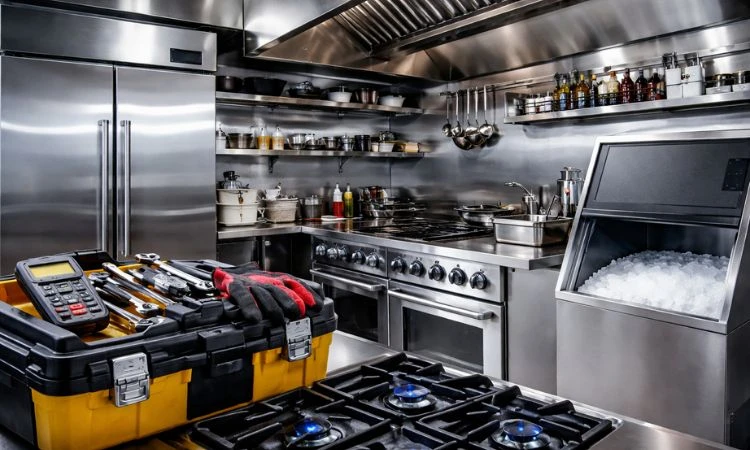

In any commercial setting—restaurants, hotels, hospitals, laundromats, or grocery stores—appliances are the backbone of daily operations. Refrigerators preserve inventory, ovens and grills handle constant workloads, ice machines support service flow, and dryers keep facilities functioning efficiently. When any of these appliances fail, the impact is immediate: downtime, revenue loss, safety concerns, and customer dissatisfaction. This is where commercial appliance repair becomes essential rather than optional.
Unlike residential equipment, commercial appliances are designed for heavy use and long hours. However, constant operation also means increased wear and tear. Understanding the importance of timely repair and maintenance can help businesses avoid unexpected breakdowns and extend the life of their equipment.
Why Commercial Appliance Repair Is Different
Commercial appliances are larger, more complex, and subject to stricter safety and performance standards than household units. Repairing them requires specialized knowledge, tools, and experience. A small issue—such as a faulty thermostat or blocked vent—can escalate into a major operational problem if not addressed promptly.
Professional commercial appliance repair focuses on diagnosing issues accurately, minimizing downtime, and ensuring appliances return to optimal working condition. This approach helps businesses maintain consistency and comply with health and safety regulations.
Common Commercial Appliances That Require Repair
Commercial appliance repair covers a wide range of equipment used across industries. Some of the most commonly serviced appliances include:
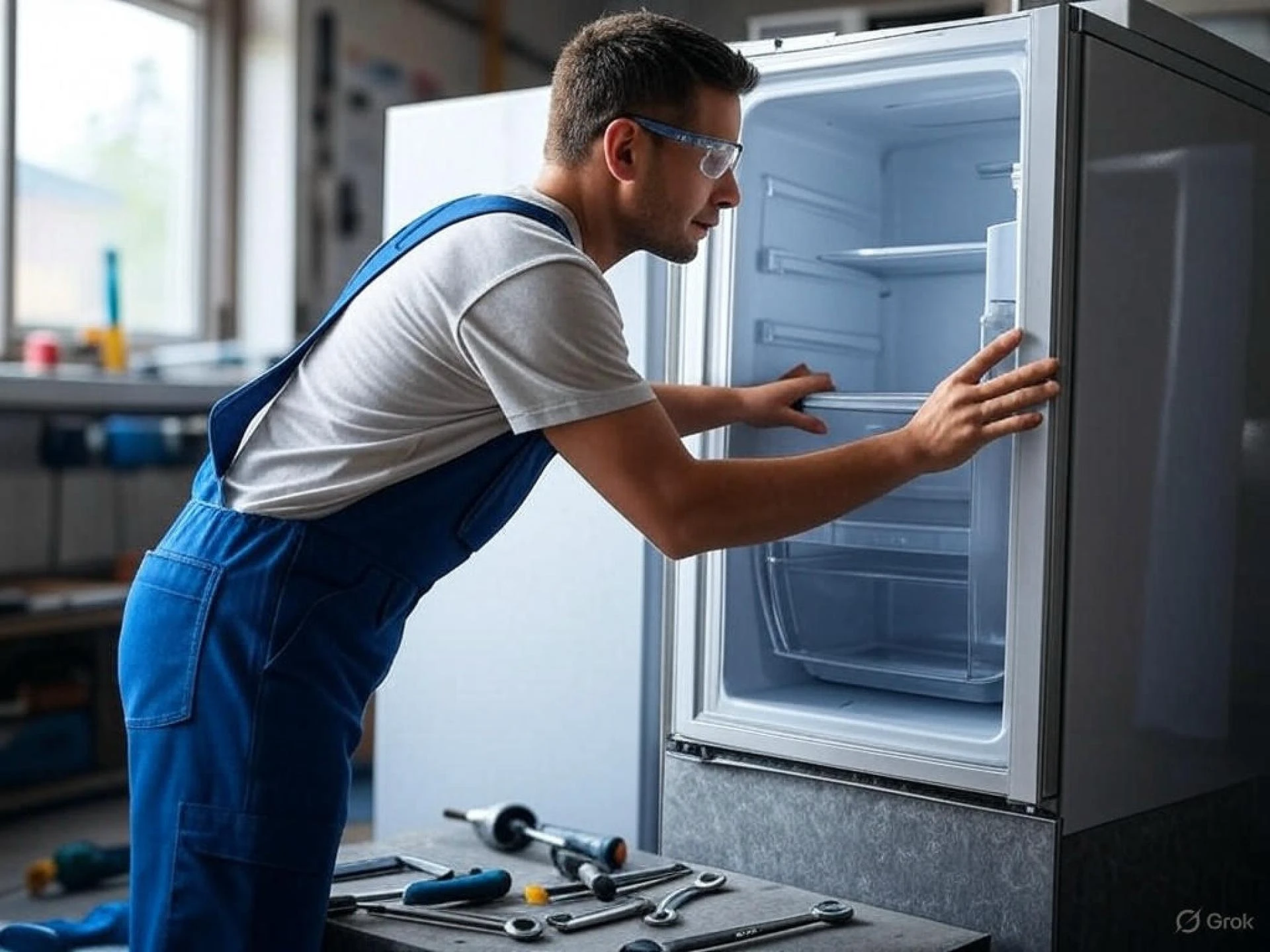
- Commercial Refrigerators and Freezers: Temperature inconsistencies, compressor issues, refrigerant leaks, and faulty door seals can lead to food spoilage and compliance violations.
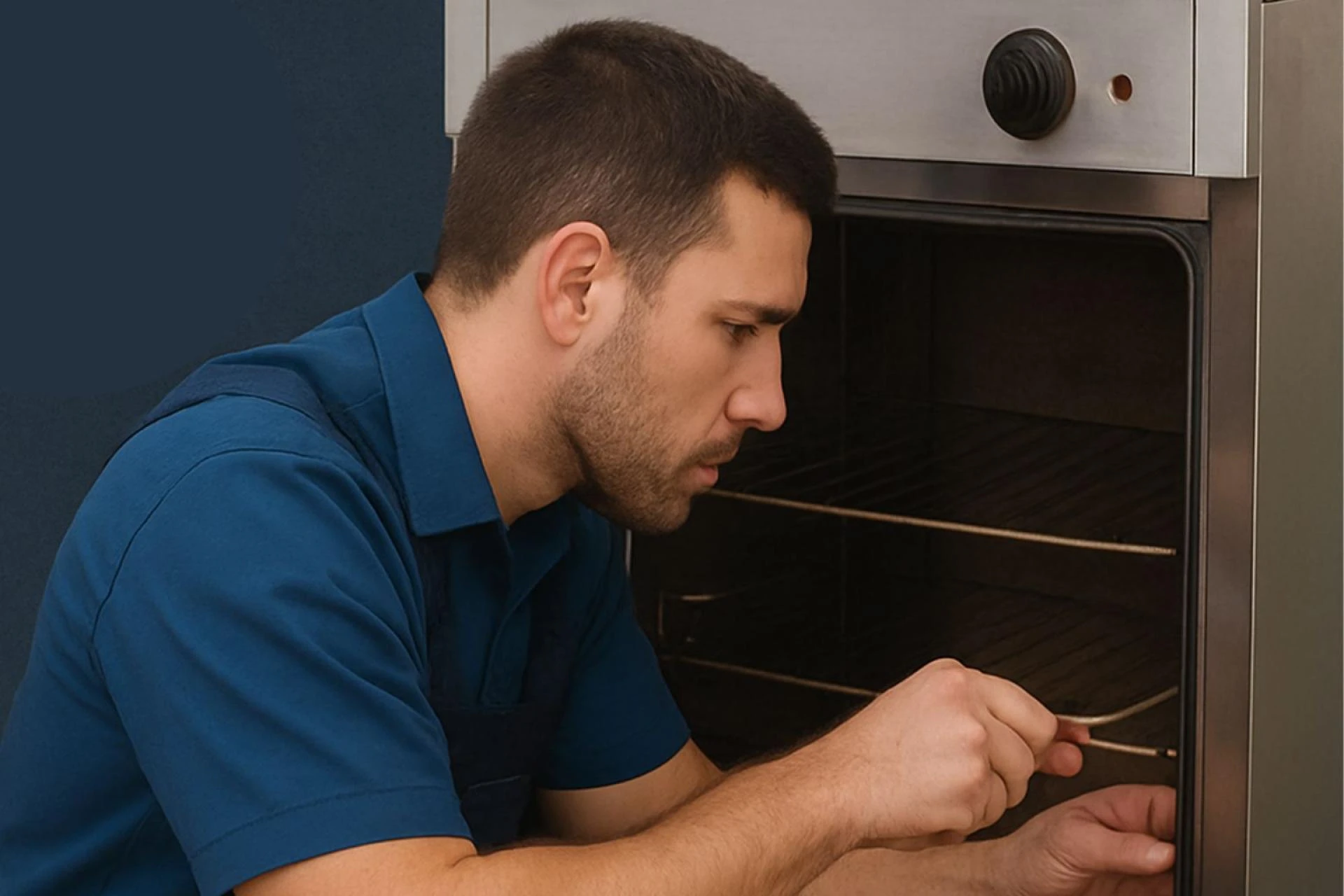
- Ovens, Ranges, and Grills: Heating problems, ignition failures, or uneven cooking can disrupt kitchen workflows.
- Ice Makers: Mineral buildup, clogged water lines, and mechanical failures can affect ice quality and production.
- Dishwashers: Poor cleaning performance, drainage issues, or heating element failures can slow operations and compromise sanitation.
- Commercial Dryers and Washers: Overheating, airflow problems, and worn components can lead to inefficiency and safety risks.
Each appliance plays a critical role, and timely repairs help ensure smooth daily operations.
Signs Your Equipment Needs Immediate Attention
Recognizing early warning signs can prevent costly breakdowns. Some common indicators include unusual noises, inconsistent performance, longer cycle times, increased energy consumption, or frequent error messages. In food-service environments, even slight temperature fluctuations can signal deeper mechanical issues.
Ignoring these signs often leads to more extensive damage, higher repair costs, and unplanned downtime. Scheduling repairs as soon as problems appear helps businesses stay ahead of major failures.
The Role of Preventative Maintenance
While emergency repairs are sometimes unavoidable, preventative maintenance is the most effective way to reduce unexpected appliance failures. Routine inspections, cleanings, and part replacements help identify minor issues before they become serious problems.
Preventative maintenance can include checking electrical components, cleaning vents and coils, inspecting seals and hoses, and ensuring appliances operate within recommended parameters. This proactive approach improves efficiency, reduces energy costs, and extends equipment lifespan.
Benefits of Professional Commercial Appliance Repair
Partnering with experienced technicians offers several long-term advantages. Professional repair ensures accurate diagnostics, proper handling of commercial-grade components, and compliance with manufacturer specifications. Trained technicians also understand industry regulations, helping businesses avoid safety and health code violations.
Additionally, professional repairs often restore appliances to peak efficiency, which can lower utility costs and improve overall performance. Reliable repair services allow businesses to focus on operations rather than equipment issues.
Minimizing Downtime and Business Impact
Downtime is one of the biggest concerns when a commercial appliance fails. Fast response and efficient repairs are essential to keeping operations running smoothly. Whether it’s a restaurant during peak hours or a laundromat serving daily customers, even a short delay can impact revenue and customer trust.
Having a dependable repair strategy—whether through scheduled maintenance or access to emergency services—helps businesses respond quickly when problems arise.
Long-Term Value of Quality Repairs
Investing in quality commercial appliance repair pays off over time. Well-maintained equipment lasts longer, performs better, and requires fewer replacements. This reduces long-term operating costs and helps businesses plan budgets more effectively.
Rather than viewing appliance repair as an expense, it should be considered a critical part of operational stability. Consistent maintenance and professional repairs protect investments and support uninterrupted service.
Conclusion
Commercial appliance repair is a vital service for businesses that rely on high-performing equipment every day. From diagnosing issues early to implementing preventative maintenance, proper care ensures appliances remain reliable, efficient, and safe. In fast-paced commercial environments, proactive repair strategies help minimize downtime, control costs, and keep operations running smoothly—day after day.

























Sign in to leave a comment.