

Soft Washing vs. Pressure Washing: Which Method Protects Your Building Better?

Pressure washing is one of the most efficient ways to clean the exterior of a building, but it is not universally safe for every surface. The assumption that high-pressure water removes dirt without consequence has led to costly damage on heritage buildings, modern cladding & render finishes. Knowing which surfaces tolerate pressure washing – as well as which ones do not - is fundamental to any responsible exterior cleaning program.
How Pressure Levels Affect Different Materials
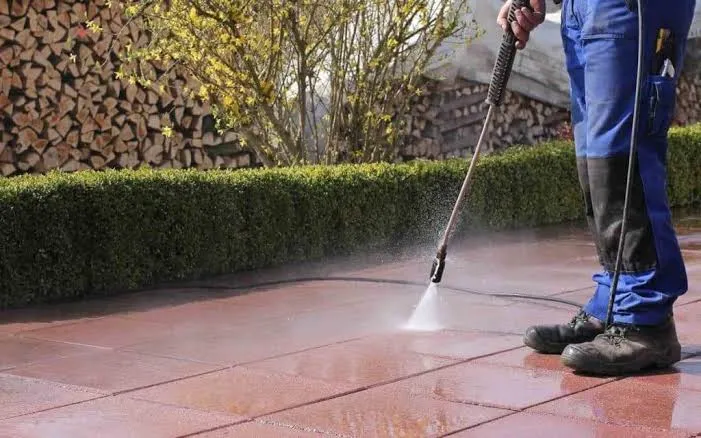
Water pressure is measured in PSI (pounds per square inch). Concrete driveways & paved surfaces can handle 2,500 to 3,000 PSI without issue. Brick, depending on its age & mortar condition, typically sits in the 1,500 to 2,000 PSI range. Surfaces like painted render, timber cladding & soft stone require significantly lower pressure - often under 1,000 PSI - or they risk surface erosion, paint stripping & water ingress behind the facade layer.
Surfaces That Need a Different Approach
Glass curtain walls, aluminium composite panels & EIFS (Exterior Insulation & Finish Systems) are particularly sensitive. Incorrect pressure or angle can force water into joints, weaken sealants & cause internal moisture damage that only becomes visible months later. For these surfaces, soft washing - which uses low pressure combined with cleaning solutions - is the industry-standard alternative. It removes biological growth like mould, lichen & algae without the mechanical force that damages fragile materials.
The Role of Surface Age and Condition
An older brick building with aging mortar joints behaves differently from a new commercial concrete tilt-up. Before any facade cleaning project begins, a professional assessment of surface porosity, existing cracks, sealant condition & coating type should be standard practice. Skipping this step is where most pressure washing damage originates - not from the equipment itself, but from applying the wrong technique to an untested surface.
What Modern Cleaning Contractors Do Differently
Experienced operators now conduct pre-clean inspections, test patches on inconspicuous sections & adjust pressure dynamically based on surface response. They also match detergent chemistry to surface type, which reduces the pressure needed & improves the result. Facade cleaning carried out this way is both safer as well as more effective than brute-force high-pressure methods.
The question is not whether pressure washing works - it clearly does on the right surfaces. The real question is whether the contractor has the technical knowledge to know the difference.
Author Resource:-
David Alexander is an independent content writer specializing in property maintenance and cleaning service industries. With a strong focus on topics such as body corporate cleaning, house washing, industrial cleaning and strata property maintenance in Brisbane, David creates clear, informative and engaging content tailored for both businesses and homeowners. You can find his thoughts at cleaning solutions blog.

























Sign in to leave a comment.