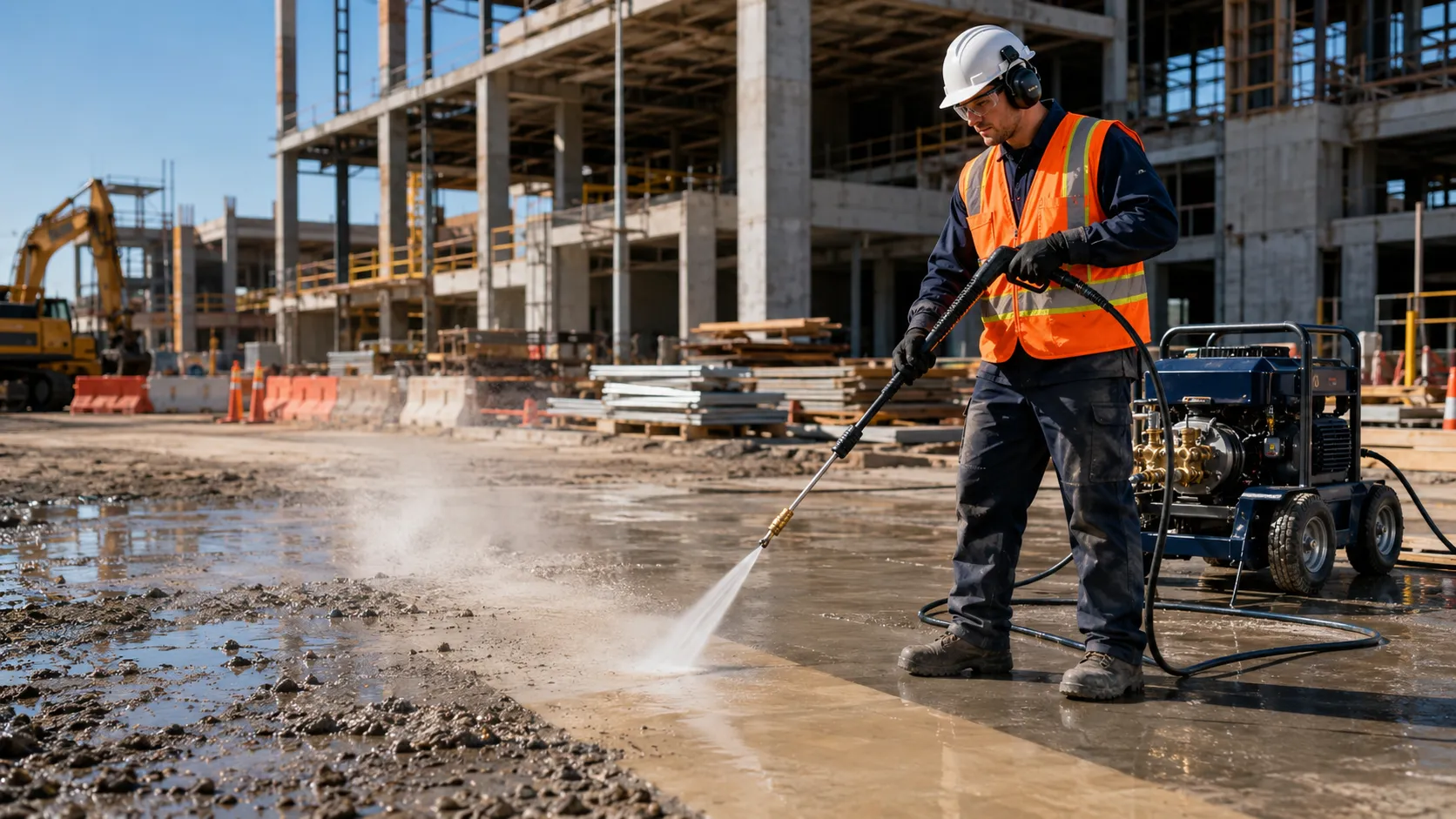

A cleaning crew arrives at a commercial property early in the morning. The workers unload their equipment, connect the water supply, and prepare to begin. Then, the pressure washer refuses to start. Suddenly, the entire schedule starts falling apart.This situation is more than a minor inconvenience. Employees may sit idle, the next job may be delayed, and the customer may question the company’s reliability. If the failure requires emergency service, the business also faces an unexpected repair bill.
A commercial pressure washer works in demanding conditions. It handles dirt, grease, chemicals, long operating hours, and changing weather. As a result, small parts naturally wear over time. Regular maintenance finds those issues before they stop the machine.
This guide explains how planned equipment care protects daily operations. It also covers practical inspections, warning signs, common mistakes, and maintenance routines for busy New Jersey businesses.
Why One Equipment Problem Can Disrupt the Entire Workday
Equipment downtime rarely affects only one task. Imagine a contractor with three parking areas scheduled for cleaning. If the main machine loses pressure during the first job, the crew may miss every appointment that follows.Workers still need to be paid during the delay. Vehicles remain on the road, fuel gets used, and customers wait for updates. Some jobs may need to be moved to another day. That creates extra planning work and may force the team to work overtime later.
Downtime can also damage customer trust. Commercial clients often schedule cleaning around operating hours, deliveries, or employee shifts. A missed service window may interfere with their own business. Therefore, dependable equipment supports more than cleaning performance—it also protects professional relationships.
Emergency costs add another layer. A damaged seal may be inexpensive when found early. However, that same leak can eventually affect the pump or nearby components. The final repair may cost far more than the original maintenance would have.
How Routine Pressure Washer Care Prevents Unexpected Delays
The goal of commercial pressure washer maintenance is not simply to make a machine look clean. Its real purpose is to keep water, fuel, oil, air, and pressure moving through the system correctly.Small problems usually leave clues. A loose fitting may create a light drip. A dirty nozzle can change the spray pattern. Low pump oil may cause extra heat or unusual noise. Regular checks help operators notice these signs while the equipment still works.
Early action gives managers control over the schedule. Instead of losing a full workday, they can arrange service between jobs or during quieter hours. Planned maintenance also makes it easier to order parts before an urgent failure occurs.
Consistent care supports steady performance as well. Clean filters and nozzles help the machine maintain proper flow. Secure connections reduce pressure loss, while fresh oil protects moving parts from friction. Together, these simple actions lower the chance of a sudden shutdown.
Catch Wear Before It Spreads
Hoses, seals, fittings, spray guns, and couplers face constant pressure. A small crack or worn seal may appear harmless at first. Yet water can escape, pressure can drop, and surrounding parts may work harder to compensate. Operators should inspect these components before every shift. They should look for cracking, swelling, corrosion, loose connections, and visible leaks. Replacing one worn part early is usually faster and less expensive than dealing with wider system damage.
Protect the Pump and Engine
The pump and engine carry much of the workload. They need correct oil levels, clean fluids, steady water flow, and enough ventilation. Running a pump without adequate water can create heat very quickly. Engines also struggle when air filters become dirty or fuel sits unused for too long. Checking these basic items keeps the machine running smoothly. More importantly, it reduces the risk of internal damage that may require several days of repair work.
A Practical Maintenance Schedule for Busy Cleaning Crews
A maintenance plan does not need to be complicated. In fact, a short routine is more likely to be followed than a long checklist no one understands. The key is to match each task with how often the equipment needs it. Daily inspections should focus on safety and immediate performance. Weekly checks can cover developing wear. Monthly or seasonal service should address fluids, internal components, storage, and changing weather conditions.
Managers should also follow the manufacturer’s service intervals. Two machines may look similar but have different oil, filter, and pump requirements. Operating hours often matter more than calendar dates, especially for equipment used throughout the week.
Before and After Every Job
Before starting, check the hose, spray gun, nozzle, oil level, water supply, and visible connections. Start the machine briefly and listen for unusual sounds. Test the spray pattern before moving into the main work area. After the job, flush out detergent, remove dirt, and release stored pressure. Inspect the equipment again while recent performance is still fresh in the operator’s mind. A quick note about weak pressure or difficult starting may prevent trouble on the next shift.
Weekly and Monthly Checks
Weekly care may include cleaning filters, checking fasteners, examining belts, and inspecting seals. Teams should also test safety controls and make sure ventilation areas remain clear. Monthly work depends on usage. Busy crews may need more frequent oil changes and deeper inspections. A written log makes the decision easier because managers can compare service dates with operating hours.
Prepare for New Jersey Weather
New Jersey weather creates different maintenance concerns throughout the year. Freezing temperatures can damage pumps, hoses, and internal water passages. Equipment should be drained and properly winterized before cold storage. Summer heat can also strain engines and pumps, especially inside poorly ventilated trailers. Moisture and road salt may cause corrosion during winter operations. Dry storage, airflow, protective covers, and seasonal inspections help reduce these risks.
Warning Signs That Should Never Be Ignored
Machines often show performance changes before they stop completely. Pressure may pulse, the engine may become harder to start, or the spray may feel weaker. These changes deserve attention, even if the equipment can still finish the job. Repeated leaks, overheating, strong vibration, and unusual noises may point to deeper trouble. Continuing to operate the machine can turn a serviceable part into a major failure. It may also create a safety risk for the operator.
Timely Pressure Washer Repair becomes necessary when routine adjustments do not restore normal performance. Internal pump trouble, damaged electrical parts, burner problems, or serious engine faults should be handled by a trained technician. A professional pressure washer repair service can test the entire system instead of replacing parts through guesswork. Proper diagnosis matters because similar symptoms can have different causes. For example, weak pressure may come from a blocked nozzle, restricted water supply, faulty valve, or worn pump.
Changes in Pressure and Water Flow
Uneven spray often begins with a dirty or damaged nozzle. However, continuing pressure loss may signal a clogged filter, air entering the system, or internal pump wear. Stop and inspect the simple causes first. Check the water source, connections, nozzle, and filter. If the problem continues, arrange professional testing before the machine suffers further damage.
Heat, Leaks, Noise, and Vibration
Excess heat suggests that something is working harder than it should. Low oil, poor ventilation, restricted water, or internal friction may be responsible. Grinding, knocking, or sharp changes in vibration require immediate attention. Leaks should not be dismissed either. Water, oil, and fuel leaks can affect performance and create unsafe working conditions. Early commercial washer repair support may prevent a minor fault from reaching the pump or engine.
Maintenance Mistakes That Lead to Expensive Breakdowns
Some equipment failures begin with shortcuts. An operator may use the wrong detergent, skip an oil check, or continue working with a damaged hose. The machine keeps running, so the issue feels manageable. Unfortunately, hidden damage may already be growing. Using unsuitable chemicals can harm seals, pumps, and internal passages. Likewise, running the pump without enough water can create severe heat. Even a short period of dry operation may shorten the pump’s useful life.
Temporary repairs cause problems too. Tape around a leaking high-pressure hose is not a safe long-term fix. Neither is installing a replacement part simply because it appears to fit. Components must match the machine’s pressure, temperature, and flow requirements. Poor storage is another common mistake. Leaving water inside the system during freezing weather can crack expensive parts. Storing dirty equipment also allows detergent residue, moisture, and corrosion to remain in contact with important components.
Finally, scattered service records make repeat problems harder to spot. If no one records oil changes, replacement parts, or earlier repairs, managers cannot see the equipment’s history. A simple log supports better repair and replacement decisions.
Build a Maintenance System Your Team Will Follow
The strongest maintenance plan is the one employees can use during a busy day. Start with a short checklist attached to the machine or stored digitally. Assign responsibility clearly, so everyone knows who checks the equipment and who reports faults. Operators do not need to become technicians. Still, they should understand normal sound, heat, pressure, and vibration. A person who uses the same industrial pressure washing machine each week will often notice a small change before anyone else does.
Create an easy reporting process. Ask workers to record the date, operating hours, symptom, and conditions when the problem appeared. “Pressure dropped after 30 minutes” provides far more value than “machine not working.” Maintenance records also reveal patterns. If the same hose connection fails repeatedly, the real problem may involve handling, storage, or incorrect installation. If repair costs keep rising, replacement may become the more sensible long-term choice.
Planned pressure washer equipment care should fit between jobs whenever possible. A two-hour service appointment on a quiet afternoon is easier to manage than a breakdown during a large customer project. Pressure King can help New Jersey businesses evaluate equipment problems and plan appropriate service without relying on guesswork.
Reliable Equipment Begins With Preventive Care
Operational downtime affects labor, schedules, revenue, and customer confidence. Fortunately, many breakdowns do not happen without warning. Leaks, pressure changes, unusual sounds, and difficult starting often appear first. Daily inspections and scheduled servicing give businesses time to respond. Clean filters, correct fluids, secure connections, proper storage, and timely repairs can protect valuable equipment for years. These actions also help crews work with steady pressure and fewer interruptions.
Begin with one practical step: inspect every machine and create a written service log. Record its condition, operating hours, and next maintenance date. That small habit can prevent a much larger problem on a busy New Jersey workday.






























Sign in to leave a comment.