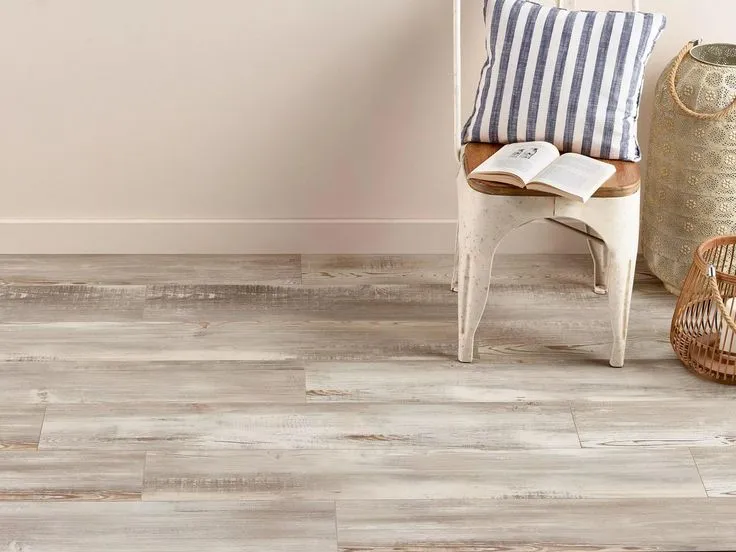

Luxury vinyl plank flooring is available in hundreds of wood-inspired colors. However, brown and grey remain two of the most common choices. Brown LVP can give a room natural warmth, while grey LVP often creates a cleaner and more contemporary appearance.
Still, choosing between them involves more than selecting a favorite color. Natural light, wall paint, cabinets, furniture, room size, and flooring undertones can completely change the final result. A plank that looks balanced in a showroom may appear too orange, blue, dark, or washed out inside your home.
This guide compares brown and grey luxury vinyl plank flooring in practical detail. It will help you choose a color that suits your current interior and remains useful when your décor changes.
Brown vs Grey LVP: What Is the Main Visual Difference?
Brown lvp flooring is designed to reproduce the natural warmth of wood species such as oak, walnut, hickory, maple, and chestnut. It can range from pale natural oak to rich chocolate brown. These familiar wood tones often make living areas feel comfortable and welcoming.
Gray LVP Flooring offers a cooler visual base. Available options include light silver, weathered oak, medium grey, charcoal, and mixed grey-brown finishes. Pure grey can support a modern or industrial interior, while weathered grey can create a coastal, rustic, or farmhouse look.
However, neither color belongs to only one design style. A clean medium-brown oak can appear modern, while textured grey planks with knots and heavy grain may look rustic. The plank pattern and surface texture are just as important as the general color.
Brown vs Grey LVP at a Glance
| Design factor | Brown LVP | Grey LVP |
| Overall atmosphere | Warm, natural, and comfortable | Cool, clean, or contemporary |
| Common undertones | Yellow, orange, red, or neutral | Blue, green, beige, or brown |
| Cabinet pairing | Cream, white, green, or contrasting wood | White, black, blue, or natural wood |
| Best light conditions | Works in warm and balanced lighting | Needs careful testing in cool or low light |
| Dirt visibility | Medium varied brown hides debris well | Medium greige or varied grey is forgiving |
| Design flexibility | Neutral browns suit many styles | Warm grey and greige are most flexible |
| Possible concern | Red or orange tones may limit décor | Cool grey may make a room feel cold |
These are general tendencies rather than fixed rules. The undertone and brightness of the individual plank can change how it works in a room.
Undertones Matter More Than Color Names
Flooring color names can be misleading. Two products labeled “natural brown” may look completely different. One may contain golden-yellow tones, while another may lean red, orange, or grey.
Grey flooring can be equally varied. Blue-grey creates a cooler appearance, green-grey feels earthy, and beige-grey produces the blended shade commonly called greige. Some weathered planks combine brown and grey within the same printed design.
Undertones should connect with the room’s permanent finishes. For example, a strong orange-brown floor may conflict with blue-grey walls. Similarly, cool blue-grey flooring can look disconnected beside creamy white cabinets.
Place the flooring sample directly beside cabinets, walls, trim, countertops, and adjoining floors. A color does not need to match every surface, but its undertones should create a clear and intentional relationship.
How Lighting Changes Brown and Grey Flooring
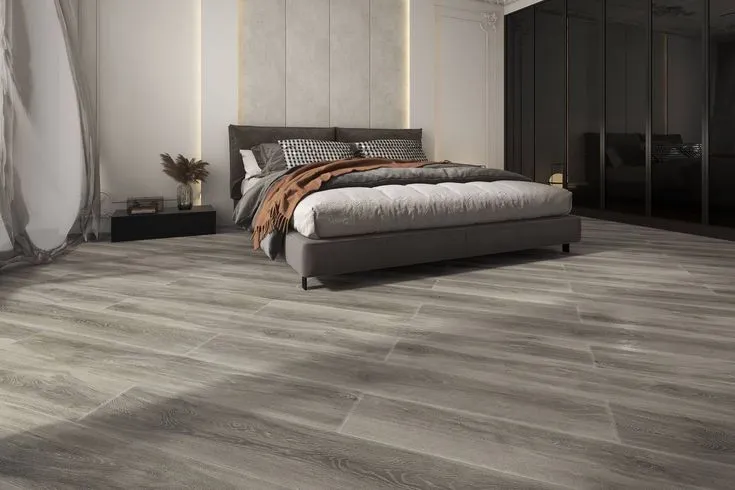
Natural and artificial light can make LVP appear different throughout the day. A cool grey sample may develop a stronger blue tone in a north-facing room. In contrast, warm afternoon sunlight can make brown flooring look more golden or orange.
Light bulbs also affect flooring color. Warm bulbs can soften grey planks but strengthen yellow tones in brown flooring. Cool white bulbs may reduce the warmth of brown planks while making blue-grey flooring appear colder.
This is why showroom lighting cannot provide a complete answer. Take samples home and view them in the morning, afternoon, and evening. Test them with the lights that you normally use rather than selecting flooring under one ideal lighting condition.
Which Color Makes a Room Look Larger?
Light-colored flooring can help a small room feel more open because it reflects more light. Pale greige, light natural oak, soft grey, and beige-brown are all suitable options when visual space is important.
Dark walnut, espresso brown, and charcoal grey can create depth and contrast. However, these colors may make a small, poorly lit room feel more enclosed. They can also show dust and pet hair more quickly.
Color is not the only factor that affects perceived size. Consistent flooring across connected rooms can reduce visual breaks. Plank direction, wall brightness, furniture size, and natural light also influence whether a room feels open or crowded.
Therefore, light grey is not automatically better for a small room. A pale natural brown can provide the same open effect while creating a warmer atmosphere.
Matching LVP With Kitchen Cabinets
White cabinets work with both brown and grey LVP, but the type of white matters. Creamy white cabinets generally coordinate well with warm brown, beige, and greige flooring. Crisp white cabinets can support neutral brown, clean grey, or cooler grey-brown planks.
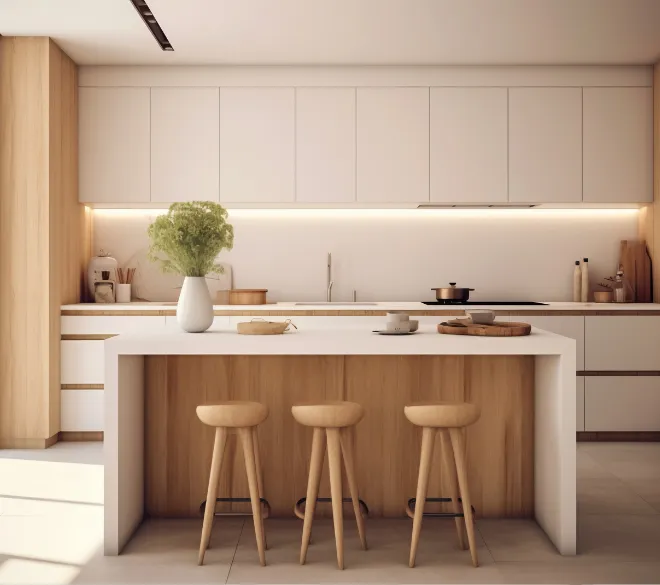
When combining LVP with wood cabinets, avoid choosing a floor that almost matches the cabinets. A slight difference in undertone can make the pairing look accidental. Controlled contrast is usually more effective. For example, medium oak cabinets may work better with a light greige or deeper brown floor than with another medium oak pattern.
Grey LVP can support black, navy, white, and dark charcoal cabinets. However, a kitchen with grey floors, grey cabinets, grey walls, and stainless-steel appliances may feel too cold. Wood furniture, warmer wall paint, or a grey-brown floor can add balance.
Coordinating Floors With Walls and Furniture
Brown LVP pairs naturally with cream, beige, warm white, muted green, and many earthy wall colors. It also works with traditional wood furniture, leather seating, woven materials, and warm metal finishes.
Grey LVP can complement crisp white, soft blue, muted green, black accents, and contemporary furniture. Still, strongly blue-grey flooring may restrict future paint and furniture choices more than neutral grey or greige.
Trim also affects the result. Bright white baseboards can create sharp contrast with dark floors, while cream trim may appear yellow beside a cool grey plank. Samples should always be examined beside the actual painted surfaces in the home.
Choosing LVP for Different Interior Styles
Medium brown flooring is a dependable choice for traditional, transitional, farmhouse, and rustic interiors. Nevertheless, a low-variation brown oak with a clean grain can also work in a contemporary or Scandinavian room.
Grey flooring often suits modern, industrial, coastal, and minimalist interiors. A pale grey with limited grain can create a clean appearance, while a weathered grey plank may support rustic or coastal décor.
Plank details can change the style completely. Heavy knots, saw marks, dark bevels, and strong color variation produce a more rustic appearance. A smoother grain and consistent tone create a calmer, more modern floor.
Which Color Hides Dirt and Pet Hair Better?
Medium-toned flooring with natural color variation generally hides everyday mess better than very light, dark, or uniform flooring. Grain patterns can help disguise crumbs, minor scratches, dust, and pet hair between cleanings.
Dark brown flooring may show pale dust and light-colored pet hair. Very light grey can reveal dark dirt, muddy marks, and black pet hair. Charcoal flooring may also show dust because of the strong contrast.
A medium brown, warm grey, or greige floor with several related shades is usually more forgiving. A matte or low-gloss finish can also make small marks less noticeable than a highly reflective surface.
Color only changes how visible dirt appears. It does not affect the floor’s physical durability.
Brown vs Grey LVP for Busy Homes
Families with children, pets, or frequent visitors should consider both appearance and product construction. Medium mixed tones can keep a floor looking presentable between routine cleanings, but they cannot prevent scratching or surface wear.
Actual performance depends on wear-layer quality, protective coating, core construction, installation, and maintenance. Furniture pads, entrance mats, regular sweeping, and prompt spill removal will protect either color.
Before purchasing, compare technical specifications instead of assuming that a dark or heavily patterned floor is more durable.
Which Color Offers Better Long-Term Flexibility?
Natural brown floors have remained familiar because they resemble real wood. Balanced medium-brown tones can work with changing furniture, wall colors, and design trends. However, strongly red, orange, or very dark brown may be less flexible.
Grey flooring requires more careful selection. Cool monochromatic grey can feel connected to a specific design period, especially when combined with an entirely grey interior. Warm grey, weathered oak, and greige are usually easier to update because they connect both warm and cool finishes.
No floor color can guarantee better resale value. Still, a neutral, well-maintained floor is generally easier for future occupants to work with than a highly unusual or strongly colored option.
Is Greige LVP a Better Middle Ground?
Greige combines grey with beige or brown. It can provide the clean appearance of grey without making a room feel cold. It can also connect natural wood cabinets with black hardware, metal fixtures, and neutral walls.
Grey-brown LVP is particularly useful in open-plan homes containing several types of furniture and finishes. However, heavily varied planks may make a room feel busy. Buyers should examine several full planks together because one small sample cannot show the complete pattern.
How Plank Width and Grain Affect Color
Wide planks show more of the printed wood pattern and create fewer seams across the floor. They may make an open room feel calmer, but dramatic color variation can become more noticeable.
Narrower planks produce more lines and may support traditional interiors. Strong knots, dark bevels, and repeated grain patterns can make either brown or grey flooring look busier than expected.
Arrange several planks before buying. Rotate them and look for repeated knots or identical grain sections. A realistic floor should distribute repeated patterns across the room instead of placing them next to one another.
How to Evaluate LVP on Sale
A reduced price can provide good value, but color should not be selected only because the product is discounted. First confirm that the shade works with your lighting, cabinets, walls, and adjoining surfaces.
When comparing LVP on sale, check the wear layer, total thickness, core type, locking system, installation method, warranty, and available quantity. Make sure there is enough material for the room, installation waste, and several future repairs.
Ask whether the color has been discontinued and whether matching trim remains available. Cartons should also come from compatible production batches. Otherwise, unexpected shade differences may become visible after installation.
How to Test Flooring Samples at Home
Place several full planks together rather than relying on a small swatch. Move them around the room because light conditions may change near windows, walls, and interior doorways.
Test the samples beside cabinets, paint, rugs, furniture, trim, and nearby flooring. Examine them during daylight and under artificial light. Also view them from a standing position because floors are rarely seen from only a few inches away.
Compare your preferred color with one nearby alternative. For example, test a medium brown against a warm greige or compare cool grey with grey-brown. The alternative may reveal an undertone problem that was not obvious when viewing one sample alone.
Room-by-Room Color Guide
| Space | Brown option | Grey option |
| Kitchen | Medium neutral brown | Warm grey or greige |
| Living room | Natural oak or walnut | Weathered grey-brown |
| Bedroom | Light or medium warm brown | Soft warm grey |
| Small room | Pale natural oak | Light greige |
| Basement | Light neutral brown | Warm grey with moisture-approved construction |
| Entryway | Varied medium brown | Multi-tone medium grey |
| Open-plan home | Balanced neutral brown | Grey-brown or greige |
These suggestions should be adjusted according to the room’s lighting and permanent finishes. The product must also be approved for the installation area.
When Brown LVP Is the Better Choice
Brown LVP is generally suitable when you want natural warmth or have cream walls, beige surfaces, earthy colors, and traditional wood furniture. It can prevent a white kitchen or open living area from feeling too plain.
A neutral medium brown is usually more adaptable than red, orange, or nearly black flooring. Choose enough contrast between the floor and wood cabinets so the finishes look intentionally coordinated.
When Grey LVP Is the Better Choice
Grey LVP may suit a home with contemporary furniture, cool-neutral walls, black accents, and metal fixtures. It can also create a weathered appearance in coastal, rustic, or industrial interiors.Warm grey and greige are often easier to coordinate than strongly blue-grey flooring. However, the final selection should always be tested beside the home’s fixed finishes and under its normal lighting.




















Sign in to leave a comment.