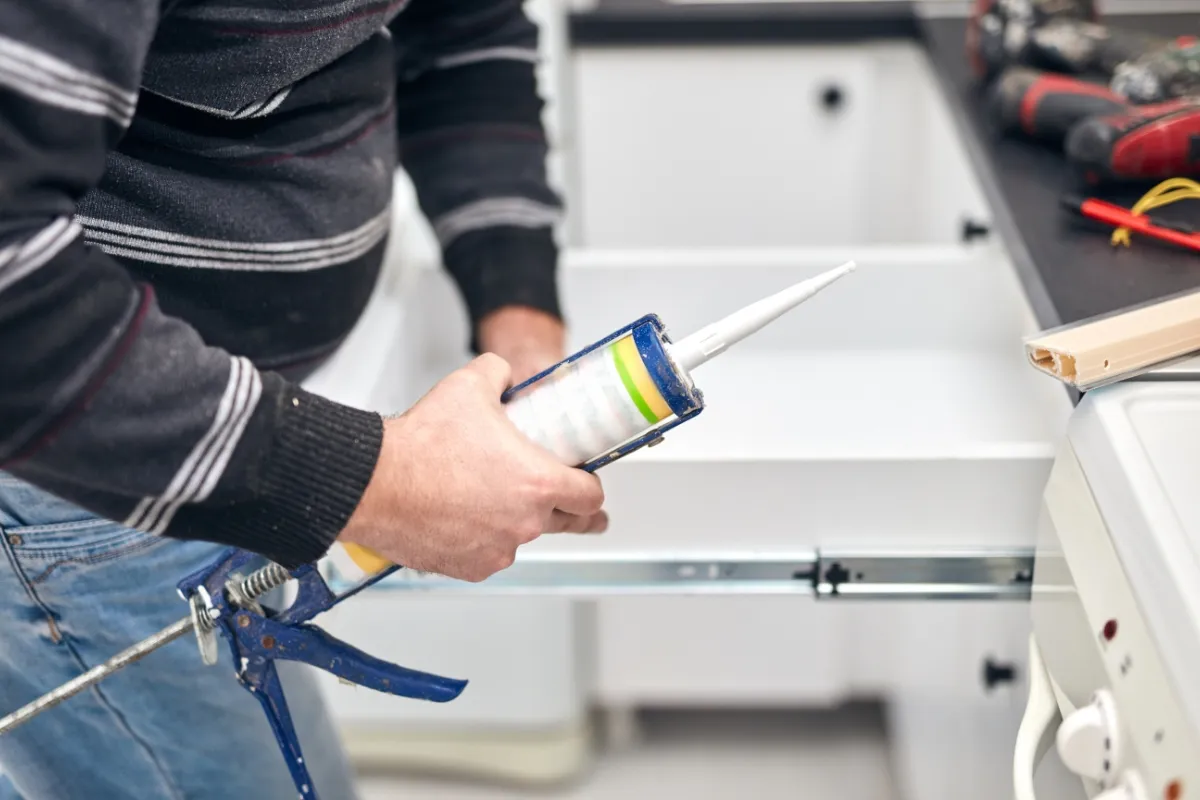

Commercial buildings are exposed to constant movement, changing temperatures, moisture, wind, and everyday use. While concrete, glass, aluminium, masonry and other structural materials form the main components of a building, the joints between these materials also play an important role in long-term performance. Properly applied sealants help close gaps, accommodate movement and reduce the risk of water and air entering vulnerable areas. For this reason, Commercial Caulking Services Sydney is an important part of new construction, refurbishment, maintenance and remedial building work.
Commercial caulking is not simply about creating a neat finish around a building. It is a practical construction process that can support weather resistance, joint movement, moisture management and overall building durability. In Sydney, commercial properties can experience strong sunlight, rainfall, humidity, temperature changes and exposure to the elements throughout the year. Professional sealing helps building components perform as intended while providing a clean and finished appearance. Understanding where commercial caulking is used and why it matters can help builders, developers, property managers and project teams make better decisions during construction and maintenance.
What Is Commercial Caulking?
Commercial caulking refers to the professional installation of sealants across commercial buildings, construction projects and larger-scale developments. Sealants are generally applied where different materials meet, where joints need to accommodate movement, or where a gap requires protection against moisture, air or other environmental factors.
Unlike basic household caulking, commercial applications can involve large quantities of sealant, multiple substrates, difficult access conditions and detailed project requirements. A single commercial building may contain many different types of joints, each requiring an appropriate sealing method. The correct approach depends on factors such as joint width, joint depth, substrate type, expected movement, exposure and the location of the joint.
Professional commercial caulking Sydney services may be required during different stages of a project. This can include new construction, façade installation, fit-outs, refurbishment, defect rectification, maintenance and remedial work. Correct preparation and application are particularly important because a sealant can only perform properly when the joint has been prepared and the product is suitable for the conditions.
Why Is Caulking Important in Commercial Construction?
Modern buildings are made from materials that respond differently to temperature, moisture and structural movement. Concrete, aluminium, glass, masonry and other materials can expand, contract or move at different rates. If the joints between these materials are not correctly sealed, gaps can develop or existing sealants can deteriorate.
Construction caulking helps address these interfaces by providing a flexible sealing system between building components. Depending on the application, the sealant may need to remain flexible while accommodating movement, resist weather exposure or help prevent moisture from passing through a joint.
Poorly installed caulking can eventually contribute to cracking, separation, water ingress and premature joint failure. In commercial buildings, these problems can become more complicated because moisture entering through an external joint may affect internal finishes or other building components. Early attention to joint design, preparation and installation can therefore help reduce the likelihood of expensive remedial work later.
1. Façade and External Building Joints
One of the most important applications for commercial caulking is sealing external façade joints. Commercial façades may include concrete panels, masonry, rendered surfaces, aluminium systems, glazing and other materials. These elements are exposed directly to sunlight, wind and rain, making external joints particularly important.
Sealants around façade interfaces help close gaps between adjacent materials while allowing the joint to accommodate appropriate movement. External caulking also contributes to the building envelope by helping reduce pathways through which rainwater can enter.
The performance requirements of an external joint can be different from those of an internal joint. Outdoor sealants may need to withstand UV exposure, temperature variation and repeated weathering. Correct surface preparation and sealant selection are therefore essential for achieving a durable result.
2. Window and Door Perimeters
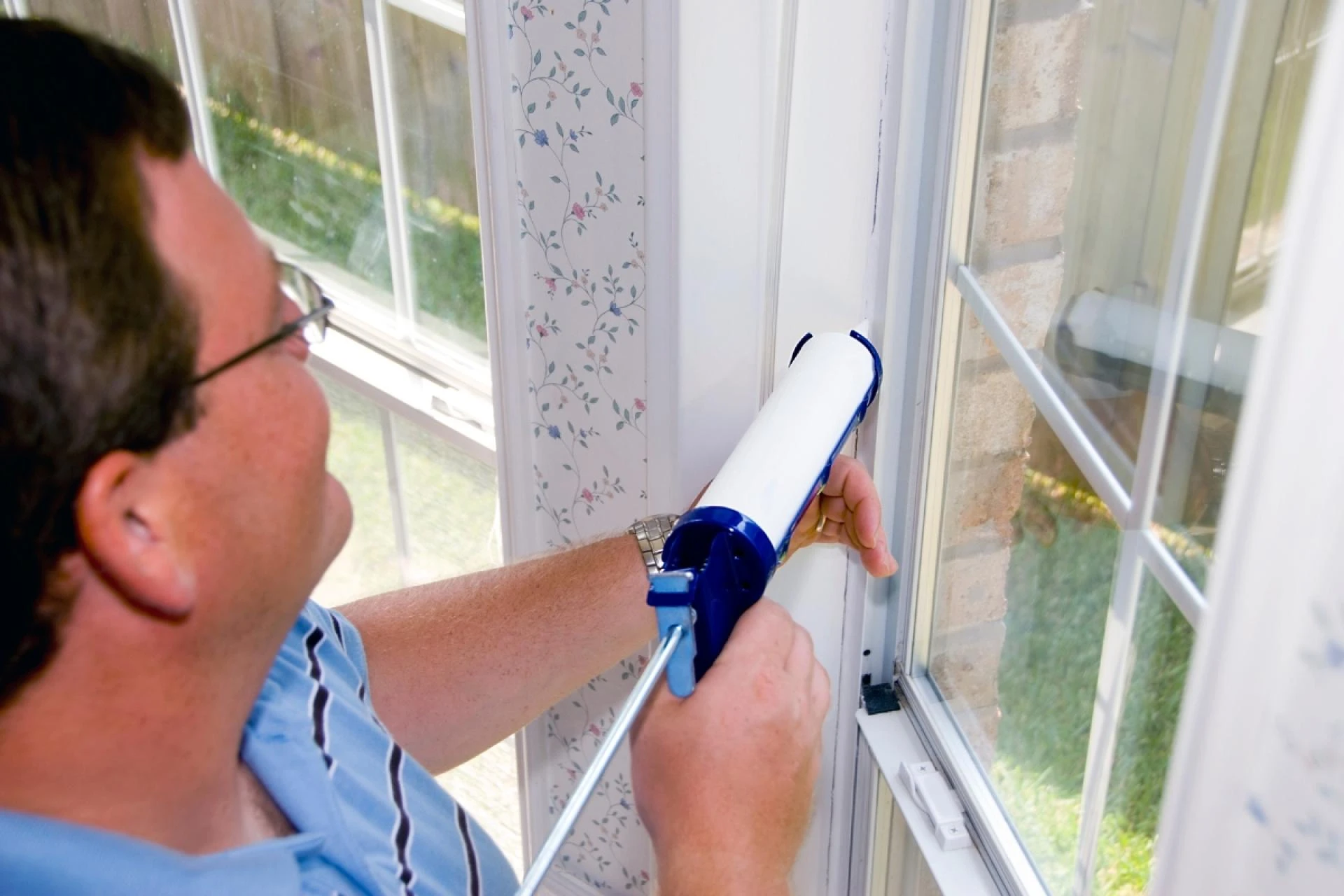
Windows and doors create openings in a building envelope, making their surrounding joints important areas for sealing. Commercial buildings can contain hundreds of windows and doors, and every perimeter may require carefully installed sealant.
Caulking around frames helps create a continuous seal between the frame and surrounding construction materials. This can assist with weather protection and reduce the potential for water to enter around openings.
The joint between a window frame and surrounding substrate may also experience movement. Different materials can expand and contract at different rates, so the sealant needs to accommodate the expected movement rather than simply forming a rigid connection.
For this reason, Caulking Contractors Sydney working on commercial buildings needs to consider the type of frame, surrounding substrate, joint dimensions and environmental exposure before applying the sealant.
3. Expansion and Movement Joints
Expansion and movement joints are specifically designed to accommodate movement within a building or between different construction materials. These joints can be found in façades, concrete structures, floors and other areas where movement needs to be managed.
Temperature changes are one common cause of movement. During hot conditions, certain building materials expand, while cooler temperatures can cause contraction. Other factors such as structural movement, settlement, vibration and loading can also influence joints.
Commercial caulking provides a flexible sealing component within these joints. The sealant needs to be capable of moving with the joint without losing adhesion or cracking prematurely.
Correct joint preparation is particularly important in these applications. Joint dimensions, backing materials, sealant depth and substrate condition can all influence performance. Incorrect installation can restrict movement and contribute to early joint failure.
4. Concrete and Precast Panel Joints
Concrete and precast panels are widely used in commercial construction. Where two panels or concrete elements meet, a joint is often required to accommodate movement and provide a controlled interface.
Commercial caulking can be applied to these joints to help limit water penetration and maintain the intended function of the joint. The preparation process may involve removing contaminants, ensuring suitable surface conditions and establishing the correct sealant profile.
Concrete surfaces can also be porous and may require particular attention before sealing. Dust, moisture and construction residue can affect adhesion if the joint is not properly prepared.
For large projects, consistency is equally important. Commercial caulking contractors in Sydney may be required to complete extensive lengths of joints across multiple floors or building elevations, making planning, access and quality control essential parts of the work.
5. Cladding and Façade Interfaces
Modern commercial buildings frequently use external cladding systems to create durable and visually consistent façades. Where cladding panels meet frames, corners, openings or other materials, sealing may be required.
Cladding joints are exposed to weather and may experience movement caused by temperature changes. A suitable sealant system can help protect these interfaces while maintaining a clean external appearance.
The visual quality of the finished joint is particularly important on commercial façades because long, continuous joints can be highly visible. Uneven application, poor tooling or inconsistent joint dimensions can affect the appearance of the entire façade.
Professional installation therefore needs to combine technical performance with attention to detail. The finished seal should be consistent, properly bonded and appropriate for the surrounding materials.
6. Wet Areas and Moisture-Prone Locations
Commercial properties can contain many areas where moisture is regularly present. Bathrooms, amenities, kitchens, balconies, plant areas and other wet environments may require appropriate sealing around joints and interfaces.
In these locations, caulking helps reduce pathways through which moisture could reach vulnerable substrates. Water that enters behind finishes can potentially contribute to deterioration, staining or other building problems.
The sealant must be selected according to the conditions of the area, and the joint needs to be clean and properly prepared before installation. Existing failed sealant may also need to be removed before replacement rather than simply applying a new layer over the old material.
For commercial property maintenance, regular inspection of moisture-prone joints can help identify deterioration before it becomes a larger problem.
7. Service Penetrations and Building Interfaces
Commercial buildings contain numerous services, including electrical, mechanical, plumbing and other building systems. These services may pass through walls, floors, ceilings and other construction elements.
Where a service penetrates a building component, the surrounding opening may require sealing depending on the construction detail and project requirements. The appropriate sealing system depends on factors such as the substrate, penetration type, environmental conditions and required performance.
Service penetration sealing can form an important part of overall building protection. However, not every penetration should be treated in the same way. The sealing method should be based on the relevant construction specification and the performance required at that location.
8. Internal Joints and Commercial Fit-Outs
Commercial caulking is also used extensively inside buildings. Office spaces, retail environments, hospitality properties, healthcare facilities, educational buildings and other commercial premises can contain numerous internal joints.
Internal applications may include junctions between different materials, skirting interfaces, architectural elements, wet areas and other areas where a clean and sealed finish is required.
Although internal joints may not face the same weather exposure as external façades, appearance and durability remain important. Commercial interiors often have large visible areas, so consistent joint profiles and neat application can make a noticeable difference to the finished space.
9. Remedial and Replacement Caulking
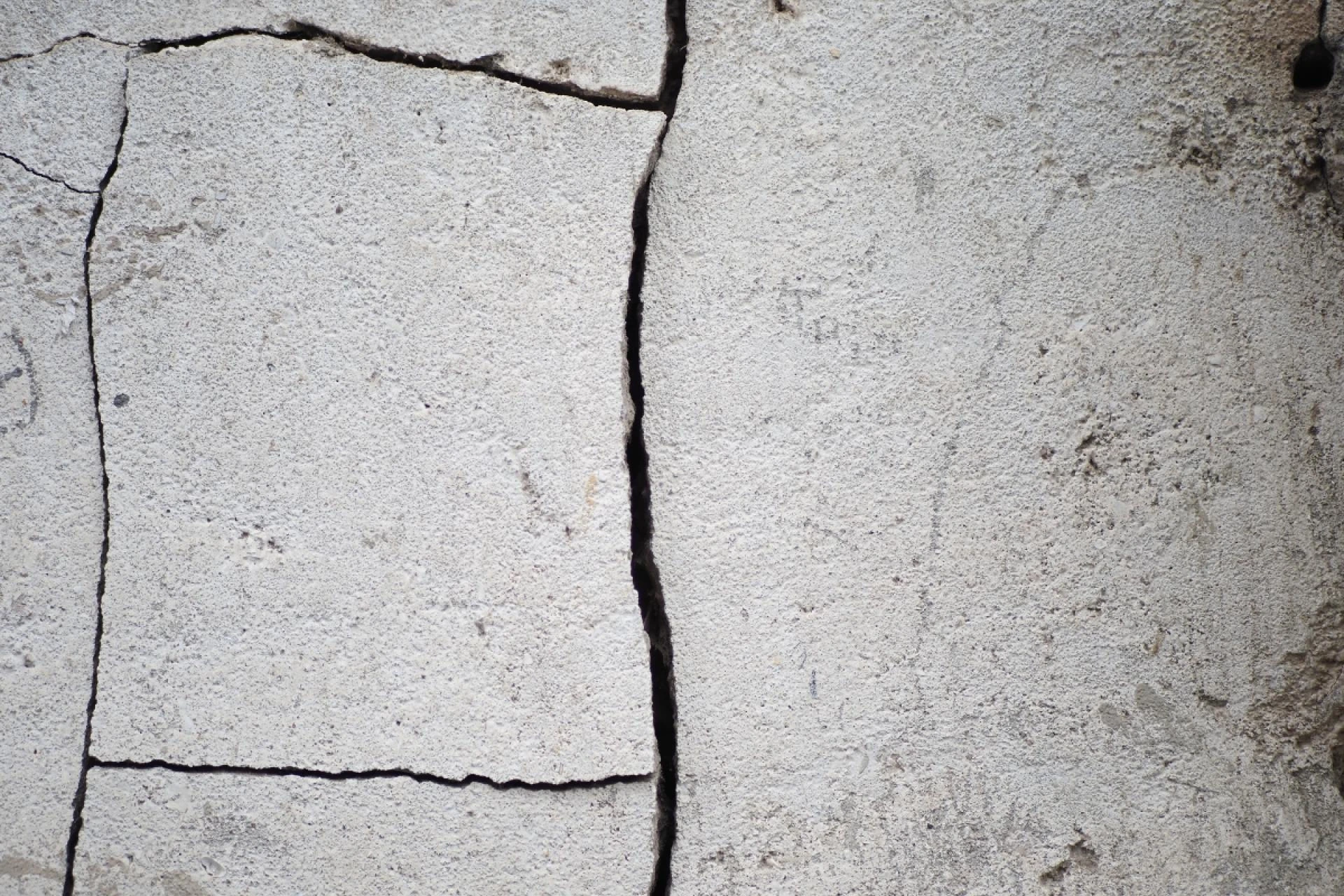
Caulking does not last forever. Over time, sealants can harden, crack, shrink, lose adhesion or become damaged through exposure and building movement. When this happens, replacement or remedial caulking may be required.
Remedial work normally involves more than simply applying new sealant over an existing joint. Failed material may need to be carefully removed, the joint inspected and the substrate cleaned before new sealant is installed.
Identifying the reason for failure is also important. If movement, moisture, poor joint preparation or unsuitable sealant selection caused the original problem, simply replacing the visible bead may not provide a lasting solution.
Professional assessment can help determine whether the issue is limited to the sealant or whether other parts of the joint or surrounding construction also require attention.
Choosing the Right Sealant for the Application
There is no single sealant that is suitable for every commercial application. Different products are designed for different substrates, movement requirements and environmental conditions.
Silicone, polyurethane and hybrid sealants can have different performance characteristics, so selection should be based on the specific joint rather than simply choosing a product based on appearance or price.
Factors that may need to be considered include UV exposure, expected movement, substrate compatibility, moisture exposure, joint dimensions, adhesion requirements and project specifications.
Professional commercial caulking contractors in Sydney can assess these conditions before installation and use an approach suited to the particular application. This can help improve joint performance and reduce the likelihood of premature failure.
Why Professional Installation Matters
The quality of commercial caulking depends on more than the sealant itself. Joint preparation, application technique, environmental conditions and installation timing can all influence the final result.
A joint that contains dust, moisture, contaminants or loose material may not provide the required adhesion. Similarly, incorrect joint dimensions or poor application can reduce the ability of the sealant to accommodate movement.
Commercial construction projects can also involve tight schedules and coordination between multiple trades. Caulking work may need to be completed around façade installation, painting, glazing, flooring, waterproofing and other construction activities. Effective planning helps ensure the joint is ready before sealing and remains protected after installation.
For larger projects, documentation, inspections and quality control can also be valuable. Consistent processes help project teams identify issues early and maintain expected standards across different areas of a development.
Maintenance and Inspection of Commercial Caulking
Even high-quality commercial caulking benefits from periodic inspection. Building owners and property managers should pay attention to visible cracking, gaps, peeling, discolouration, hardened sealant or areas where the seal has separated from the substrate.
External joints deserve particular attention because they are continually exposed to weather. Areas around windows, façade panels, movement joints and other external interfaces should be checked for signs of deterioration.
Early identification of failed joints can make remedial work more manageable. Instead of allowing water ingress or joint deterioration to continue, property managers can arrange appropriate repairs before the problem becomes more extensive.
Final Thoughts
Commercial caulking is an important part of modern construction because it helps manage the interfaces between building materials and protects vulnerable joints from environmental exposure. From façade and window joints to expansion joints, concrete panels, cladding interfaces, wet areas and service penetrations, professional sealing has applications throughout commercial properties.
For Sydney construction projects, choosing experienced professionals can help ensure that joints are correctly prepared, suitable sealants are selected, and the installation is completed with attention to both performance and appearance. Whether the requirement involves a new commercial development, maintenance programme or remedial project, properly planned caulking can contribute to the durability, weather resistance and overall finish of a building.
If you are looking for reliable commercial caulking services in Sydney for a construction, commercial, civil or remedial project, you can learn more about the services available from The Australian Caulking Company. Professional commercial sealing can provide an important layer of protection while helping building joints perform effectively for years to come.















Sign in to leave a comment.