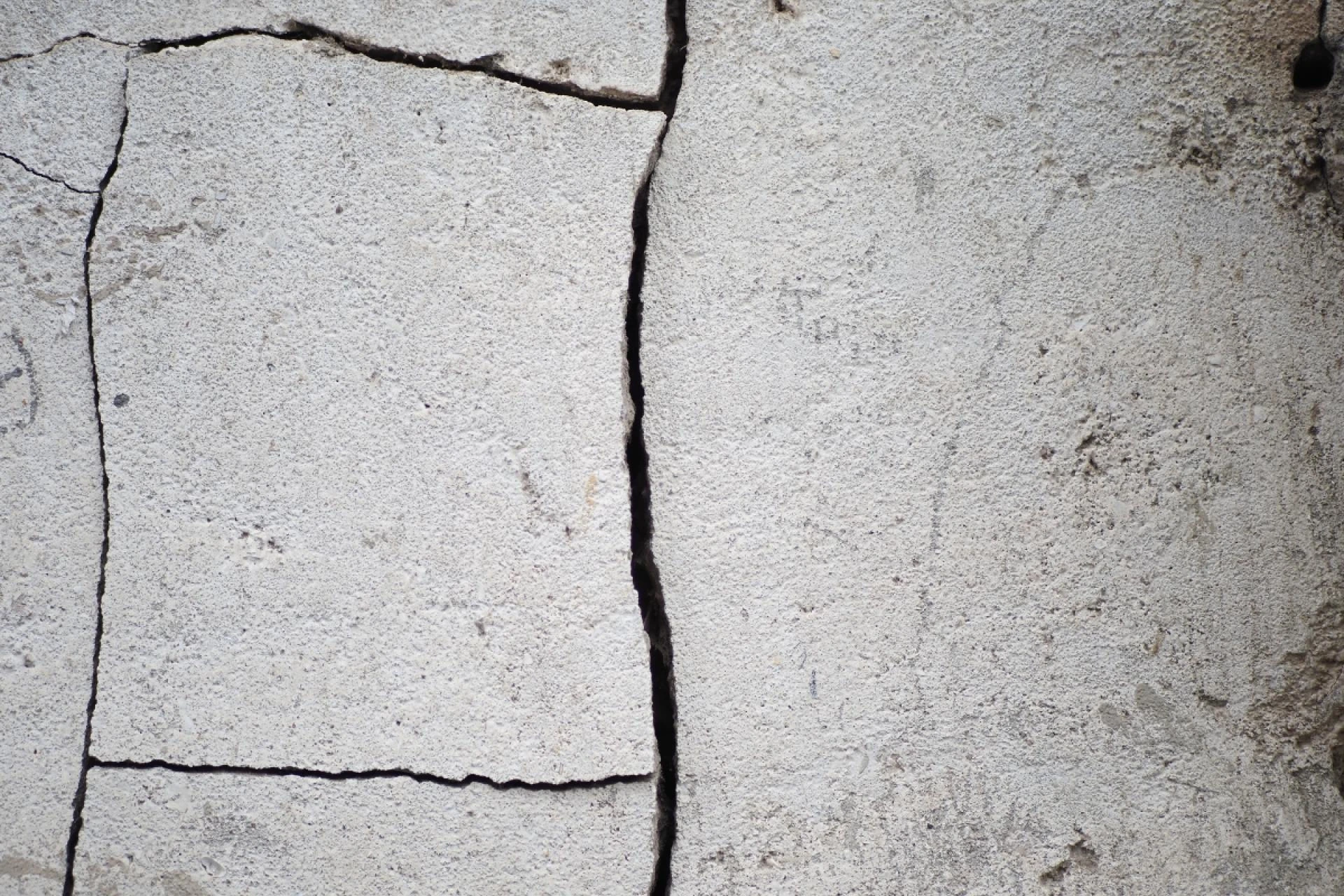

Concrete is one of the most common building materials in Sydney because it is strong and durable. But even the best concrete can develop cracks or gaps over time due to weather changes, heavy loads, or normal wear and tear. Many people think caulking is only for filling cracks, but its benefits go much further. Proper caulking helps protect concrete from damage, keeping structures safe and strong for years.
Understanding how caulking works can help Sydney property owners and builders take better care of their concrete. When done correctly, caulking acts as a protective layer, stopping small problems from turning into serious damage. It not only fills cracks but also protects concrete from water, chemicals, and other factors that cause deterioration, helping the structure last longer in Sydney’s climate.
What Caulking Does for Concrete Durability
Caulking is often seen as just a cosmetic fix, but it plays a much bigger role in keeping concrete strong. Joints and cracks in concrete are weak points where water, air, or chemicals can get in. If left unprotected, these can cause serious damage over time, such as corroding steel inside the concrete or weakening the surface. Caulking seals these weak spots, acting as a first line of defence against damage.
Caulking also helps concrete handle movement caused by changes in temperature. Sydney experiences heat and humidity changes that make concrete expand and contract. Flexible caulking absorbs this movement, reducing the risk of cracks forming or growing. This makes caulking an important part of ongoing concrete maintenance, helping structures remain strong and safe for longer.
Stopping Water and Chemical Damage
Water is one of the main reasons concrete weakens over time. When it gets into cracks or joints, it can freeze, expand, and make the damage worse. Water can also carry salts or chemicals that corrode steel reinforcements inside concrete. Caulking prevents water from entering these areas, creating a barrier that protects the structure.
Chemical damage is another concern, especially in urban or industrial areas. Pollutants, acidic rain, or cleaning chemicals can seep into unsealed joints, slowly harming the concrete. A properly applied caulk protects against this damage, extending the lifespan of concrete and keeping it strong.
Additional Benefits: Comfort and Efficiency
Caulking doesn’t just protect concrete—it also helps with energy efficiency and noise control. Cracks and gaps can let air escape, which makes buildings harder to heat or cool. Sealing these gaps with caulking helps keep indoor temperatures stable, reducing energy costs. It also helps prevent sound from travelling through joints, making buildings quieter and more comfortable.
When done by professional caulking contractors, these benefits are maximised. The result is a solution that not only strengthens the concrete but also improves building performance.
Why Professional Caulking Is Worth It
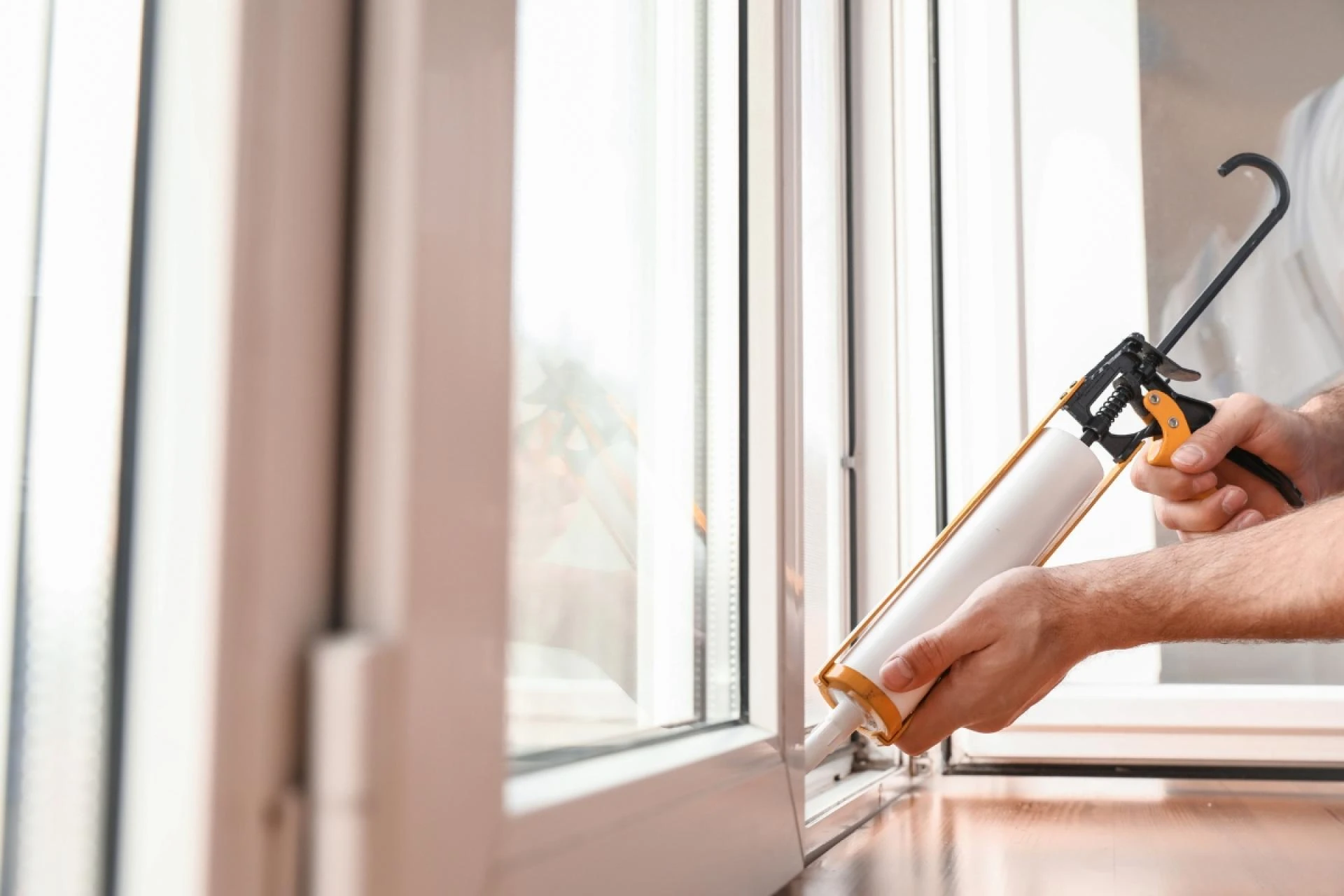
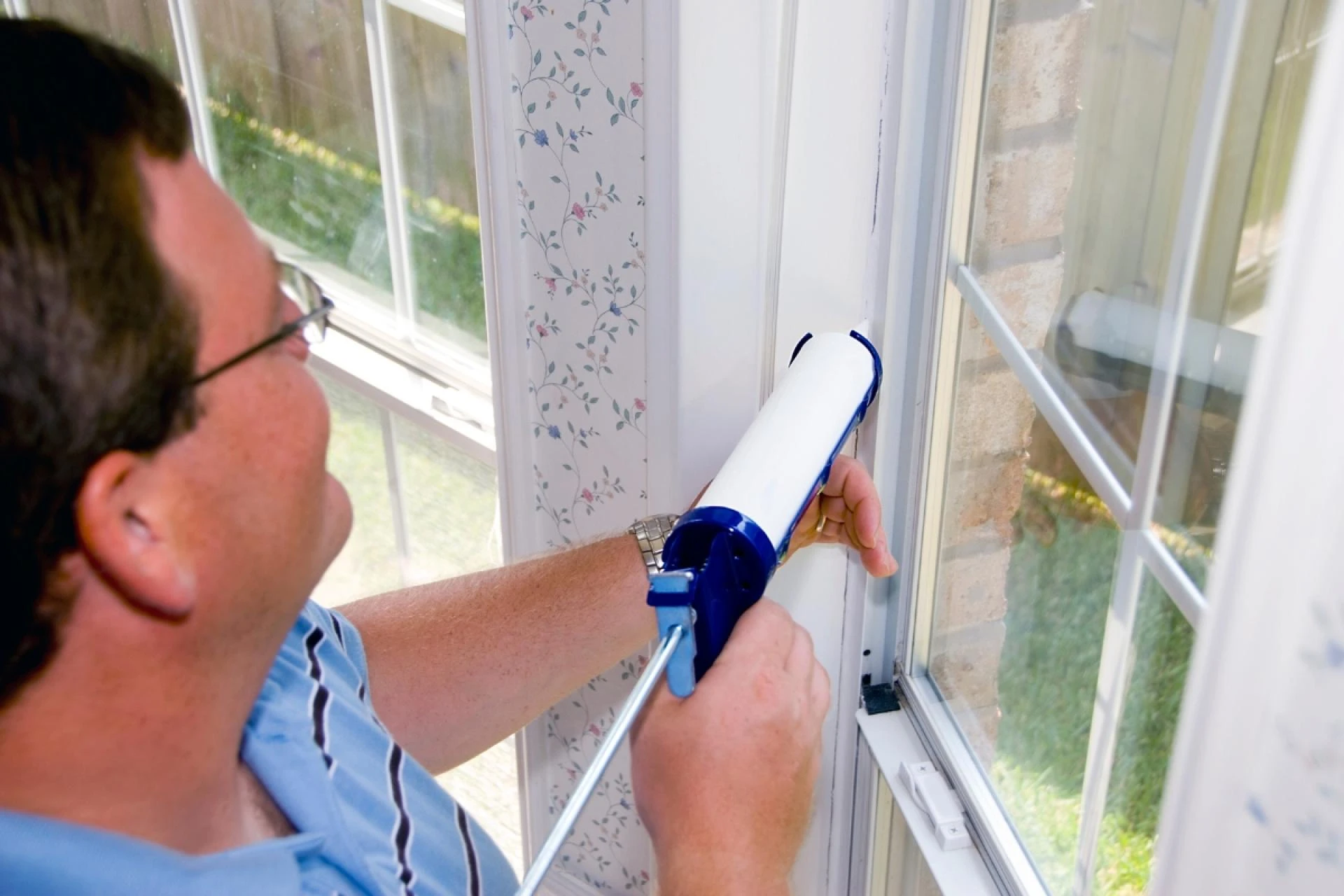
Using skilled caulking contractors ensures the work is done correctly. Professionals know how to inspect concrete, identify weak points, and apply caulking properly. They choose the right type of caulk for the job and make sure it sticks well and lasts a long time. DIY or inexperienced work may not hold up, leaving cracks exposed and reducing the concrete’s lifespan.
Professional contractors also help with maintenance plans. Regular inspections and recaulking when needed prevent small problems from becoming expensive repairs. Sydney property owners benefit from peace of mind, knowing their concrete is protected.
Choosing the Right Caulk for Sydney Concrete
Not all caulks are the same. Different areas of a building may need different types of caulk, depending on movement, moisture, or traffic. Silicone-based caulks are flexible and waterproof, ideal for areas that expand and contract. Polyurethane caulks are strong and durable, perfect for high-traffic zones. Australian caulking experts know which product to use for each situation, ensuring maximum protection.
Joint placement is also important. Expansion joints, control joints, and construction joints all need proper sealing to prevent stress and damage. Correct caulking strengthens the structure and keeps it performing well over time.
Environmental Benefits
Caulking is also good for the environment. By reducing water damage and improving energy efficiency, it lowers the need for repairs and energy use. This reduces waste and helps buildings stay sustainable. Using high-quality caulks that last a long time also reduces the need for replacements, saving resources and protecting the environment.
Sydney’s coastal and urban areas can be tough on concrete, with humidity, UV exposure, and pollution. Proper caulking protects against these challenges, helping structures last longer without frequent repairs.
Integrating Caulking into Regular Maintenance
To get the most out of caulking, it should be part of a regular maintenance plan. Inspecting concrete for cracks or joint separation and re-caulking as needed keeps structures in good shape. Concrete repair specialists Sydney can create a maintenance schedule to ensure that caulking continues to protect the building over time.
Routine maintenance also allows upgrading caulking materials as new, better products become available. Australian caulking experts stay updated on the latest sealants and methods, making sure your concrete gets the best protection possible.
Conclusion: More Than Just Crack Repair
Caulking is much more than just filling cracks. In Sydney, professional caulking protects concrete from water, chemicals, and movement, keeping structures strong and durable. It also improves energy efficiency and comfort while reducing long-term repair costs. Hiring experienced caulking contractors ensures the work is done correctly and lasts for years.
For reliable concrete protection and expert guidance, Australian property owners can trust The Australian Caulking Company. From concrete crack repair to long-term maintenance, working with skilled professionals ensures your Sydney concrete structures stay safe, strong, and durable for years to come.


























Sign in to leave a comment.