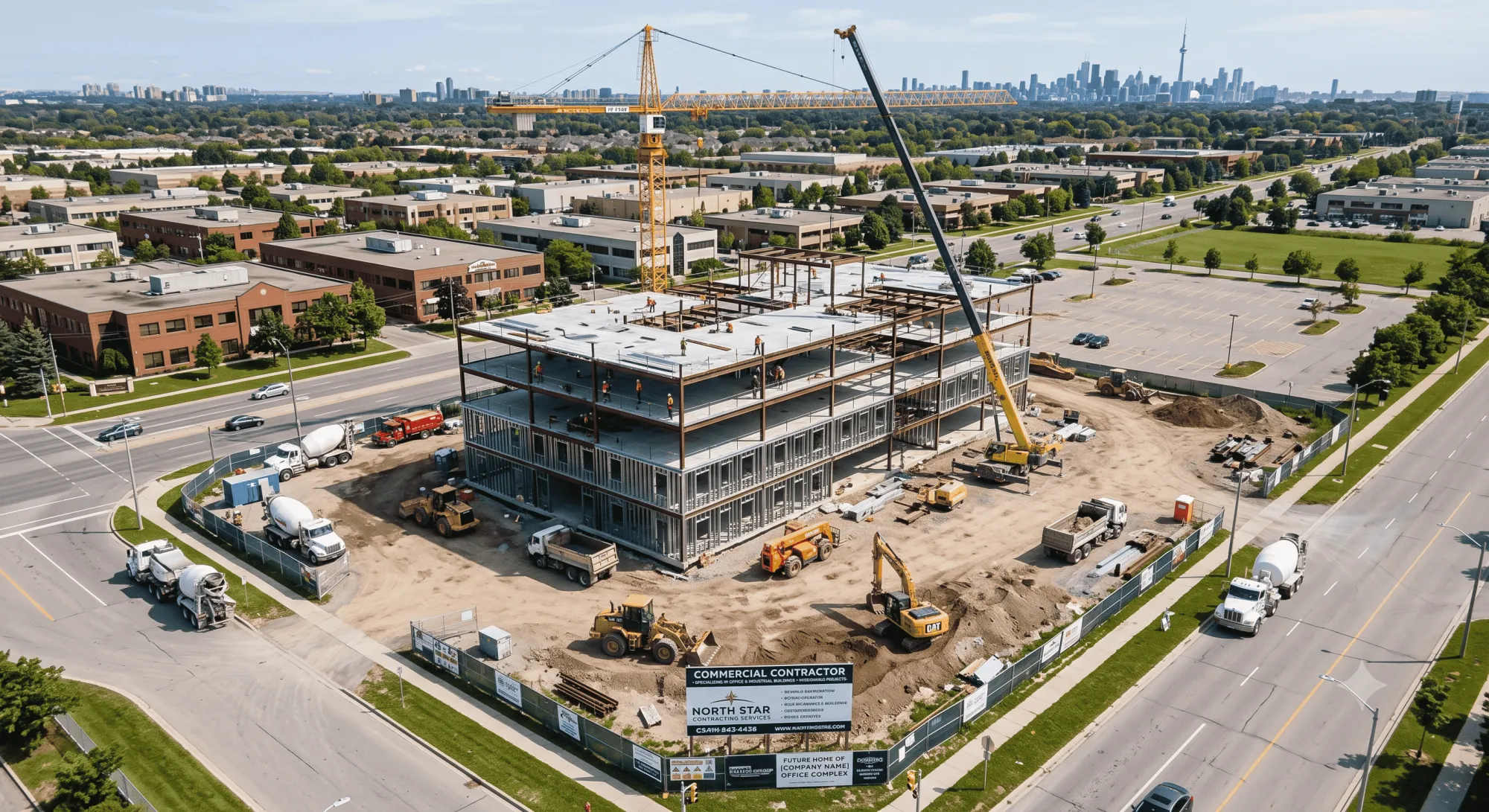

A commercial general contractor is responsible for managing every stage of a commercial construction project, ensuring that work is completed safely, efficiently, and according to plan. From office buildings and retail centres to warehouses, healthcare facilities, and educational institutions, commercial projects require careful coordination between multiple trades, consultants, suppliers, and regulatory authorities. Professional oversight helps reduce risks, maintain quality, and keep projects on schedule while controlling costs.
Whether constructing a new building or renovating an existing facility, hiring an experienced commercial general contractor provides the expertise needed to deliver successful construction outcomes.
Managing Every Phase of the Construction Process
One of the primary responsibilities of a commercial general contractor is overseeing the entire construction process from start to finish. Before construction begins, the contractor collaborates with owners, architects, engineers, and consultants to review project plans, establish budgets, develop schedules, and identify potential challenges.
During the pre-construction phase, the contractor also coordinates permit applications, procurement planning, subcontractor selection, and site preparation. Careful planning at this stage helps prevent delays and minimizes costly changes during construction.
Once work begins, the general contractor manages daily operations, coordinates multiple trades, schedules inspections, and ensures each phase is completed before the next begins. This level of organization keeps projects moving efficiently while maintaining high construction standards.
Improving Quality Through Professional Supervision
Quality construction requires continuous oversight. A commercial general contractor monitors workmanship, verifies material quality, and performs regular inspections throughout the project to ensure every component meets design specifications and industry standards.
Professional supervision also helps identify potential issues early, allowing corrective action before minor problems become expensive repairs. Consistent quality control improves the durability, functionality, and long-term performance of the completed building.
Contractors also ensure compliance with local building codes, accessibility regulations, fire safety requirements, and environmental standards. Meeting these requirements is essential for obtaining approvals and delivering a safe, fully functional commercial facility.
Keeping Projects on Time and Within Budget
Construction schedules often involve numerous subcontractors working simultaneously. Electricians, plumbers, HVAC technicians, structural steel installers, concrete specialists, and finishing crews must all complete their work in the proper sequence.
A commercial general contractor coordinates these activities to prevent scheduling conflicts, minimize downtime, and maximize productivity. Regular progress reviews help identify delays early, allowing adjustments that keep the project on track.
Budget management is another critical responsibility. Contractors monitor labor costs, material purchases, equipment expenses, and subcontractor agreements throughout construction. Transparent financial reporting enables clients to understand project costs while reducing the risk of unexpected budget overruns.
By carefully managing resources and proactively solving problems, experienced contractors help clients achieve greater value from their construction investment.
Enhancing Communication and Long-Term Success
Commercial construction projects involve many stakeholders, including property owners, architects, engineers, consultants, inspectors, suppliers, and subcontractors. Effective communication is essential for maintaining alignment throughout every stage of construction.
Professional general contractors provide regular project updates, coordinate meetings, document progress, and address questions quickly to ensure informed decision-making. Clear communication reduces misunderstandings and improves collaboration among everyone involved.
Beyond project completion, many contractors continue supporting clients through warranty services, maintenance recommendations, and future renovation planning. Their involvement helps maintain building performance while protecting the owner's long-term investment.
Modern contractors also embrace technologies such as Building Information Modeling (BIM), digital scheduling platforms, and cloud-based project management software to improve collaboration, increase accuracy, and streamline construction management.
Conclusion
A commercial general contractor provides the leadership and professional oversight necessary to deliver successful commercial construction projects. Through detailed planning, quality control, effective scheduling, budget management, regulatory compliance, and strong communication, they ensure projects are completed safely, efficiently, and to the highest standards.
By partnering with an experienced commercial general contractor, businesses can reduce construction risks, improve project performance, and create durable commercial facilities that support long-term operational success and lasting value.


























Sign in to leave a comment.