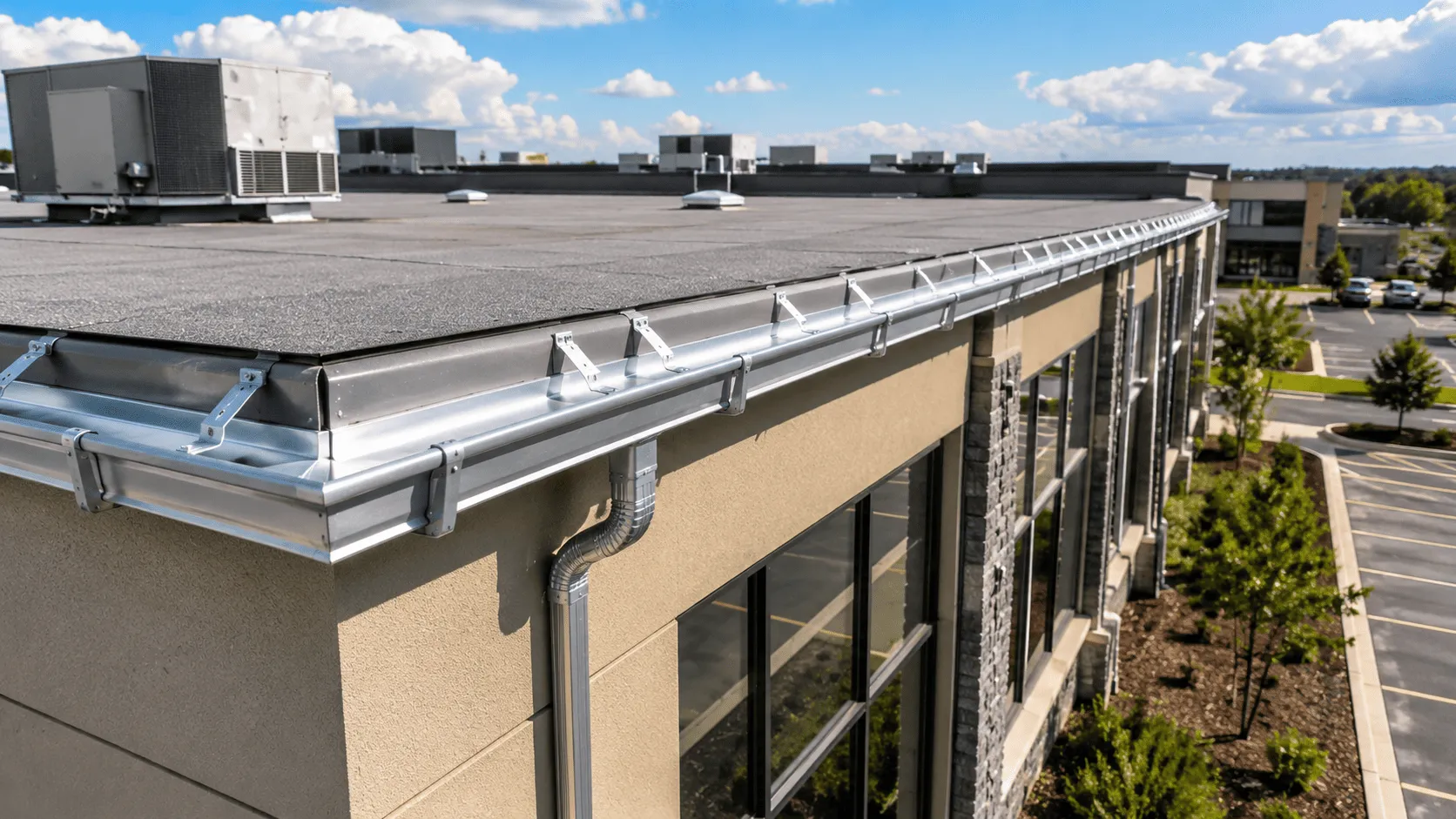

Commercial Gutters play a critical role in protecting business properties from water damage, roof leaks, and foundation issues. Without a properly designed gutter system, rainwater can quickly accumulate and cause costly structural problems that affect daily operations and long-term building value.
Commercial buildings face higher water flow than residential properties due to larger roof surfaces. This makes choosing the right gutter system essential for durability, performance, and cost efficiency. In this guide, we will break down everything business owners need to know in simple terms.
What Are Commercial Gutters and Why They Matter
Commercial gutters are heavy-duty drainage systems designed to handle large volumes of rainwater from flat or low-slope roofs. Unlike standard home gutters, they are built for industrial strength and continuous water flow management.
They protect buildings from issues such as:
- Foundation erosion caused by uncontrolled water runoff
- Roof leaks due to standing water
- Wall staining and exterior damage
- Mold growth inside commercial structures
When installed correctly, commercial gutters extend the life of a building and reduce long-term maintenance expenses significantly.
Types of Commercial Gutters Used in Modern Buildings
There are several types of gutter systems used in commercial properties, and each serves a different structural need. Choosing the right type can improve water flow efficiency and reduce repair costs.
Common types include:
- K-style gutters for medium to heavy rainfall areas
- Box gutters designed for large industrial roofs
- Half-round gutters for controlled water flow and aesthetic appeal
- Built-in gutters integrated directly into roofing systems
Each system has its own strengths, and selection depends on roof size, rainfall level, and building design.
Materials Used in Commercial Gutters Systems
Material choice is one of the most important decisions in a gutter installation project. Commercial systems must withstand harsh weather, UV exposure, and heavy debris.
Most commonly used materials include:
- Aluminum: Lightweight and resistant to rust
- Steel: Extremely strong and ideal for industrial buildings
- Copper: Long-lasting and premium option with high durability
- Vinyl: Budget-friendly but less common in commercial use
Each material impacts both installation cost and long-term maintenance requirements.
Commercial Gutters Installation Process Explained
Installing commercial gutters requires proper planning, measurement, and professional execution. Poor installation can lead to drainage failure and water damage.
The general process includes:
- Roof inspection and slope evaluation
- Measurement of water flow capacity
- Selection of gutter size and material
- Secure mounting with commercial-grade brackets
- Downspout placement for optimal drainage
A well-installed system ensures smooth water flow even during heavy rainfall, reducing structural risks.
Maintenance Tips for Long-Lasting Performance
Regular maintenance is essential to keep commercial gutter systems functioning properly. Neglecting cleaning or inspection can lead to clogging and overflow.
Key maintenance practices include:
- Cleaning debris such as leaves and dust every 3–6 months
- Inspecting joints and seals for leaks
- Checking downspouts for blockages
- Scheduling seasonal professional inspections
Preventive maintenance reduces emergency repair costs and improves system lifespan significantly.
Common Commercial Gutter Problems and Solutions
Even strong gutter systems can develop issues over time due to weather and debris buildup. Identifying problems early helps avoid expensive damage.
Frequent problems include:
- Water overflow during heavy rainfall
- Sagging gutters due to poor installation
- Rust and corrosion in metal systems
- Blocked downspouts causing drainage failure
Solutions usually involve cleaning, sealing leaks, reinforcing brackets, or full replacement in severe cases.
Commercial Gutters Cost Factors and Budget Planning
The cost of commercial gutters depends on multiple factors including material, building size, and labor requirements. Business owners should plan budgets carefully before installation.
Main cost factors include:
- Type of material selected (steel, aluminum, copper)
- Roof size and complexity of design
- Labor charges and installation difficulty
- Additional drainage system requirements
Investing in high-quality gutters reduces long-term repair costs and improves property value.
Why Businesses Should Invest in High-Quality Gutter Systems
A reliable gutter system is not just an accessory it is a long-term investment in building protection. Poor drainage can interrupt business operations and cause financial losses.
Key benefits include:
- Protection against water-related structural damage
- Reduced maintenance and repair expenses
- Improved building lifespan and durability
- Better safety for employees and equipment
Businesses that prioritize proper gutter systems avoid costly emergencies and maintain smooth operations year-round.
Professional Installation Makes a Big Difference
While DIY solutions may seem cost-effective, commercial gutter systems require expert handling for long-term reliability. Professional installers ensure proper slope, secure fitting, and efficient water flow design.
For business owners looking for reliable roofing and drainage solutions, working with experienced contractors ensures peace of mind and long-term savings.
Final Thoughts and Call to Action
Commercial Gutters are essential for protecting any business property from water damage and structural issues. From installation to maintenance, every step plays a role in ensuring efficiency and durability.
If you are planning to upgrade, repair, or install a new gutter system, choosing experienced professionals is the smartest decision for long-term protection and cost savings.
For reliable roofing and gutter solutions, Trident Commercial Roofing offers expert services designed to keep your commercial property safe, efficient, and protected in all weather conditions.


























Sign in to leave a comment.