


Maintaining the appearance of a commercial property requires regular attention to walls, ceilings, exterior surfaces, structural elements, and other painted areas. Over time, paint can fade, peel, stain, or simply look outdated. When these surfaces are located high above the ground, however, a routine painting project can become more complex.
Commercial painting at heights requires careful planning, appropriate access equipment, experienced professionals, and proper surface preparation. For property managers and building owners, the challenge is finding an approach that provides a professional finish without creating unnecessary project costs or disruption.
Read More - https://abovetherestbuildingservices.com/blog/fb-2606/
Why Is Painting at Heights More Challenging?
Painting elevated areas is different from painting an easily accessible wall. High ceilings, exterior walls, atriums, warehouses, structural components, and architectural features may require specialized equipment to reach the work area.
The access method can influence the overall project timeline and budget. Before painting begins, several factors should be evaluated, including the height of the surface, building layout, surrounding conditions, surface condition, and the type of work required.
A detailed assessment allows the painting crew to determine an appropriate way to reach the area and organize the project efficiently.
Can High-Access Painting Reduce Staging Costs?
Traditional painting projects involving elevated areas may require scaffolding or extensive staging. While these methods can be appropriate for certain projects, they may add equipment, labor, setup, removal, and scheduling requirements.
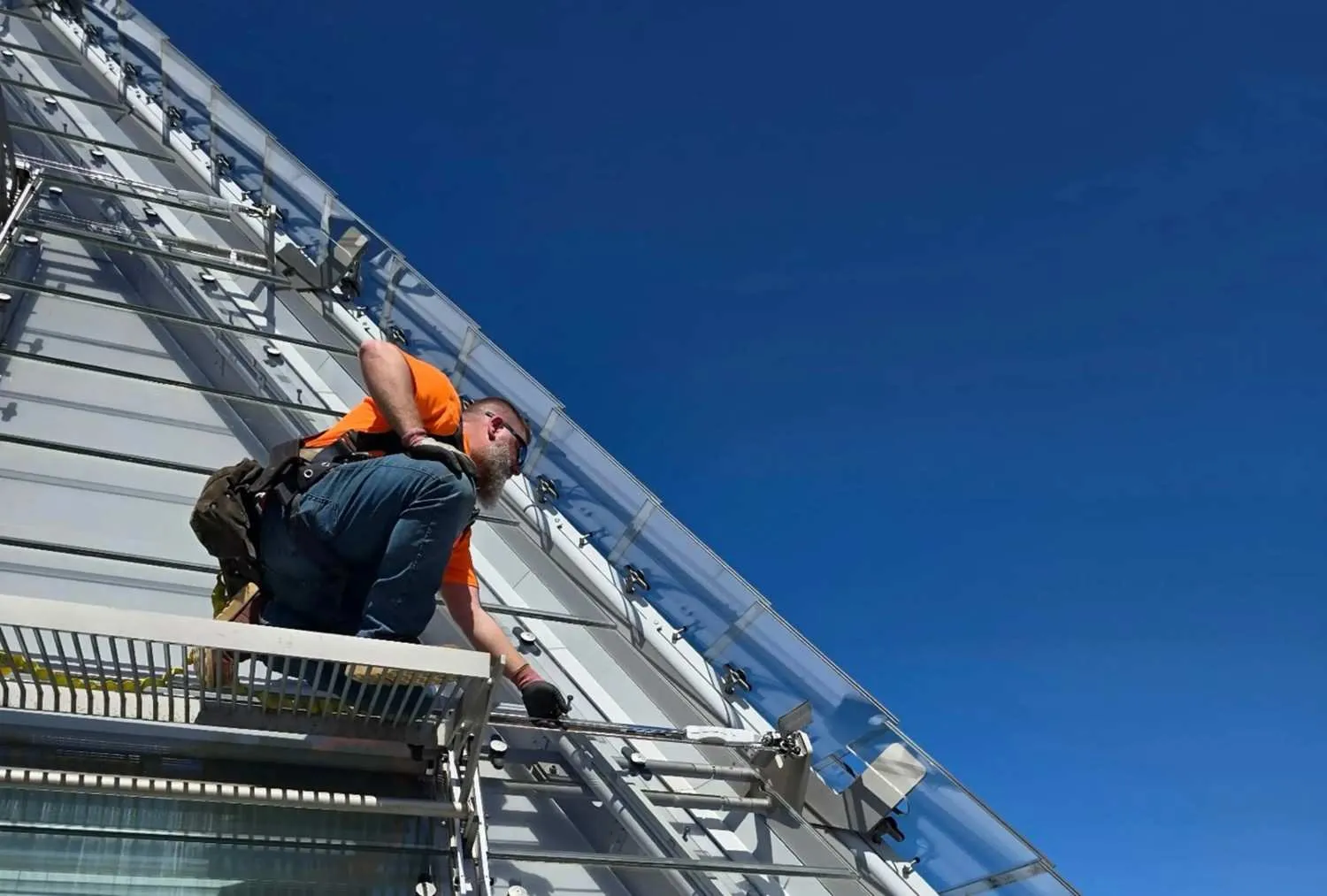
Specialized height-access equipment can provide an alternative for suitable applications. The right access solution can allow a crew to reach difficult surfaces while reducing the need for extensive staging.
However, every property is different. The appropriate access method should be selected based on the building, work area, height, surface, and project requirements rather than using the same approach for every job.
Efficient Planning Can Reduce Disruption
Commercial buildings often remain operational while maintenance projects are underway. Employees, tenants, customers, visitors, and daily business activities may need to continue around the work.
An organized painting plan can reduce unnecessary interruptions. Scheduling work during suitable periods, defining work zones, preparing equipment in advance, and establishing an efficient workflow can make the project easier to manage.
For property managers, efficiency is not simply about completing painting quickly. It is about coordinating access, preparation, application, and site conditions so that the work progresses without avoidable delays.
Surface Preparation Is an Important Step
A new coat of paint cannot correct every underlying surface problem. Proper preparation is essential for achieving an even and professional finish.
Depending on the condition of the area, preparation may involve cleaning, scraping, sanding, repairing damaged sections, removing loose paint, or addressing other surface issues.
High-access areas require the same level of preparation as accessible surfaces. The difference is that the crew must reach these areas using suitable equipment and procedures.
Taking time to prepare the surface properly can support better paint adhesion, appearance, and long-term performance.
Choosing the Right Colors and Finish
Commercial painting can also be an opportunity to refresh the visual identity of a property.
Some businesses may want to maintain existing colors, while others may want to update an older interior or exterior. In branded environments, paint colors can also be selected to complement the company's existing visual identity.
The appropriate finish may depend on the surface location, environmental conditions, building use, and desired appearance. A professional painting assessment can help property managers consider these factors before work begins.
Safety and Experience Matter
Painting at height requires more than the ability to apply paint. The project also requires appropriate planning, equipment, and attention to site conditions.
The crew needs to understand how to access the work area, position equipment, prepare surfaces, manage materials, and maintain an organized work environment.
Property managers should therefore consider a contractor's commercial experience and ability to manage challenging access conditions when selecting a painting service.
When Should a Commercial Property Consider High-Access Painting?
High-access painting may be appropriate when a property has surfaces that are difficult to reach using standard equipment. Common examples include high ceilings, exterior walls, large commercial spaces, warehouses, atriums, elevated structural elements, and architectural features.
It may also be considered when faded, damaged, or deteriorated paint is affecting the property's overall appearance.
A professional assessment can determine whether painting is the right maintenance solution and what access method is appropriate.
Frequently Asked Questions
Is scaffolding always required for commercial painting at heights?
No. The access method depends on the building, height, surface, surrounding conditions, and scope of work. For suitable projects, specialized access equipment may reduce the need for traditional scaffolding or extensive staging.
What types of commercial properties need painting at heights?
Office buildings, warehouses, retail properties, industrial facilities, institutional buildings, and other commercial spaces with high ceilings or elevated exterior surfaces may require high-access painting.
How does surface preparation affect commercial painting?
Proper preparation creates a suitable surface for paint application. Cleaning, scraping, sanding, and repairing damaged areas may be necessary depending on the existing condition. Good preparation supports a more consistent and professional finish.
How long does a commercial painting project take?
The timeline depends on the size of the project, surface condition, height, access requirements, preparation work, number of coats, weather conditions, and building schedule. A site assessment can provide a more accurate estimate.
Can painting be completed while a commercial building remains operational?
In many situations, painting can be scheduled around normal building activities. The exact approach depends on the property's layout, work area, access requirements, and operating schedule.
A Practical Solution for Commercial Properties
High-access painting does not need to become an unnecessarily complicated maintenance project. With proper planning, suitable equipment, surface preparation, and experienced professionals, difficult areas can be painted efficiently while maintaining attention to quality and building operations.
For commercial property owners and managers looking for professional painting and building maintenance services, Above the Rest Building Services provides solutions for challenging commercial environments throughout New England.
Contact the team to discuss your property, identify the areas requiring attention, and determine a practical approach for your commercial painting project.



















Sign in to leave a comment.