

For new businesses, finding the right commercial space is a critical step toward success. Whether it is for retail, office, or industrial use, securing a suitable property impacts operations, brand image, and financial stability. Understanding commercial property leasing is essential for entrepreneurs who want to make informed decisions and avoid costly mistakes. Leasing involves complex legal and financial considerations, including lease terms, rent obligations, and maintenance responsibilities. This article provides a comprehensive guide to commercial property leasing for new businesses, highlighting key concepts, processes, and strategies to ensure a smooth leasing experience.
Understanding Commercial Property Leasing
What Is Commercial Property Leasing
Commercial property leasing is an agreement where a business rents a property from a landlord for business use. Unlike residential leases, commercial leases are often more complex, with terms and conditions that affect operational flexibility, costs, and long-term planning.
Types of Commercial Properties
New businesses can lease various types of commercial properties, including:
- Office spaces for administrative and professional operations
- Retail spaces for shops, showrooms, and customer-facing businesses
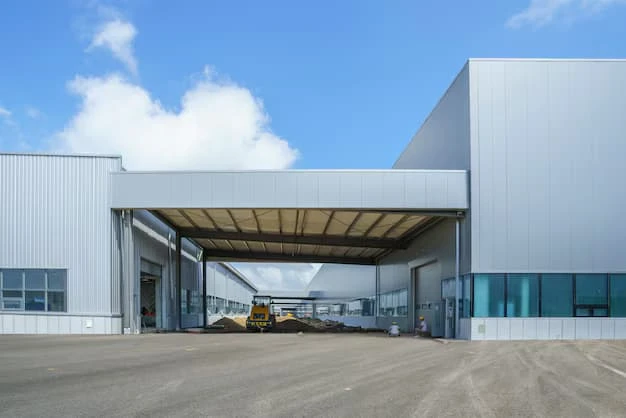
- Industrial spaces for manufacturing, warehousing, or distribution
Each type of property comes with unique considerations, such as location, size, accessibility, and zoning regulations.
Lease Structures and Terms
Commercial leases vary in structure, including gross leases, net leases, and percentage leases. Understanding the differences is critical for financial planning:
- Gross lease: Rent includes most property expenses, providing predictable costs
- Net lease: Tenant pays rent plus additional costs such as property taxes, insurance, and maintenance
- Percentage lease: Rent is based on a percentage of business revenue, commonly used in retail
Key Considerations for New Businesses
Evaluating Location and Accessibility
Location is a key factor in business success. Foot traffic, proximity to customers, accessibility for employees, and local competition all influence the suitability of a commercial property. Choosing the right location can enhance visibility and drive revenue.
Assessing Space Requirements
Businesses should carefully assess their space needs, considering current operations and potential growth. Overestimating space can lead to unnecessary costs, while underestimating may constrain operations and limit expansion opportunities.
Understanding Financial Implications
Leasing a commercial property involves more than just rent. Businesses must consider security deposits, utility costs, maintenance fees, insurance, and potential lease escalations. Evaluating these costs helps ensure the lease aligns with budget and long-term financial plans.
The Commercial Leasing Process
Searching for Properties
The first step is identifying suitable properties that meet the business’s operational needs and budget. Using online listings, real estate agents, and professional networks can help locate appropriate spaces efficiently.
Property Tours and Evaluation
Once potential properties are identified, site visits allow businesses to evaluate the physical condition, layout, and suitability of the space. Considerations include building infrastructure, accessibility, compliance with safety codes, and potential renovation requirements.
Negotiating Lease Terms
Lease negotiation is a critical stage where businesses can secure favorable terms. This may involve negotiating rent, lease duration, renewal options, tenant improvement allowances, and clauses related to subleasing or early termination. Skilled negotiation ensures that the lease supports operational flexibility and financial stability.
Reviewing Legal Agreements
Commercial leases are legally binding documents. Businesses should carefully review all clauses, including obligations for maintenance, insurance, and property modifications. Engaging legal or real estate professionals can help identify risks and ensure clarity in responsibilities.
Signing the Lease and Preparing for Occupancy
After agreeing on terms, the lease is signed, and preparations for moving into the space begin. This includes coordinating renovations, setting up utilities, and ensuring compliance with regulatory requirements. Proper planning at this stage ensures a smooth transition and minimal disruption to operations.
Benefits of Leasing Over Buying
Lower Initial Investment
Leasing allows businesses to occupy space without the large upfront costs associated with property purchase. This preserves capital for other critical business needs, such as inventory, marketing, or staffing.
Flexibility and Scalability
Leases often provide flexibility in duration and space usage, allowing businesses to adapt as they grow or relocate if market conditions change. This is particularly advantageous for startups that may require adjustments as operations expand.
Access to Prime Locations
Leasing enables businesses to access high-demand locations that may be unaffordable for purchase. This provides strategic advantages in terms of visibility, customer access, and brand presence.
Reduced Maintenance Responsibility
Depending on the lease type, landlords may handle major maintenance and repairs, reducing operational burdens and allowing businesses to focus on core activities.
Challenges and Considerations
Understanding Lease Obligations
Commercial leases can impose significant obligations on tenants. Failure to understand responsibilities for maintenance, property taxes, or insurance can result in unexpected expenses or legal complications.
Planning for Long-Term Costs
Lease agreements may include rent escalations or percentage-based rents. Businesses should factor these into long-term financial planning to avoid budget shortfalls and maintain profitability.
Exit Strategies and Flexibility
It is important to consider lease termination options and flexibility clauses. Planning for potential growth, relocation, or downsizing ensures businesses are not locked into restrictive agreements.
Tips for a Successful Commercial Lease
Conduct Thorough Research
Understanding market trends, comparable rental rates, and property availability is essential for informed decision-making. Research helps identify fair pricing and optimal lease terms.
Engage Professionals
Commercial real estate professionals, including tenant representatives and legal advisors, provide expertise that simplifies the leasing process, mitigates risk, and ensures favorable outcomes.
Align Lease with Business Goals
The lease should support both operational needs and long-term growth objectives. Considerations include space for expansion, location strategy, and financial sustainability.
Review and Negotiate Carefully
Take the time to review all lease clauses and negotiate terms that protect the business’s interests. Clear agreements reduce potential conflicts and provide a stable foundation for operations.
Conclusion
Commercial property leasing is a vital process for new businesses seeking functional, strategically located space. Understanding lease structures, evaluating financial implications, and negotiating favorable terms ensures that businesses can operate efficiently while minimizing risk. By approaching commercial leasing strategically and leveraging professional expertise, new businesses can secure spaces that support growth, operational efficiency, and long-term success.
For businesses navigating commercial property leasing, Equity CRE offers insights, resources, and guidance to simplify the process and make informed decisions that align with business goals.





























Sign in to leave a comment.