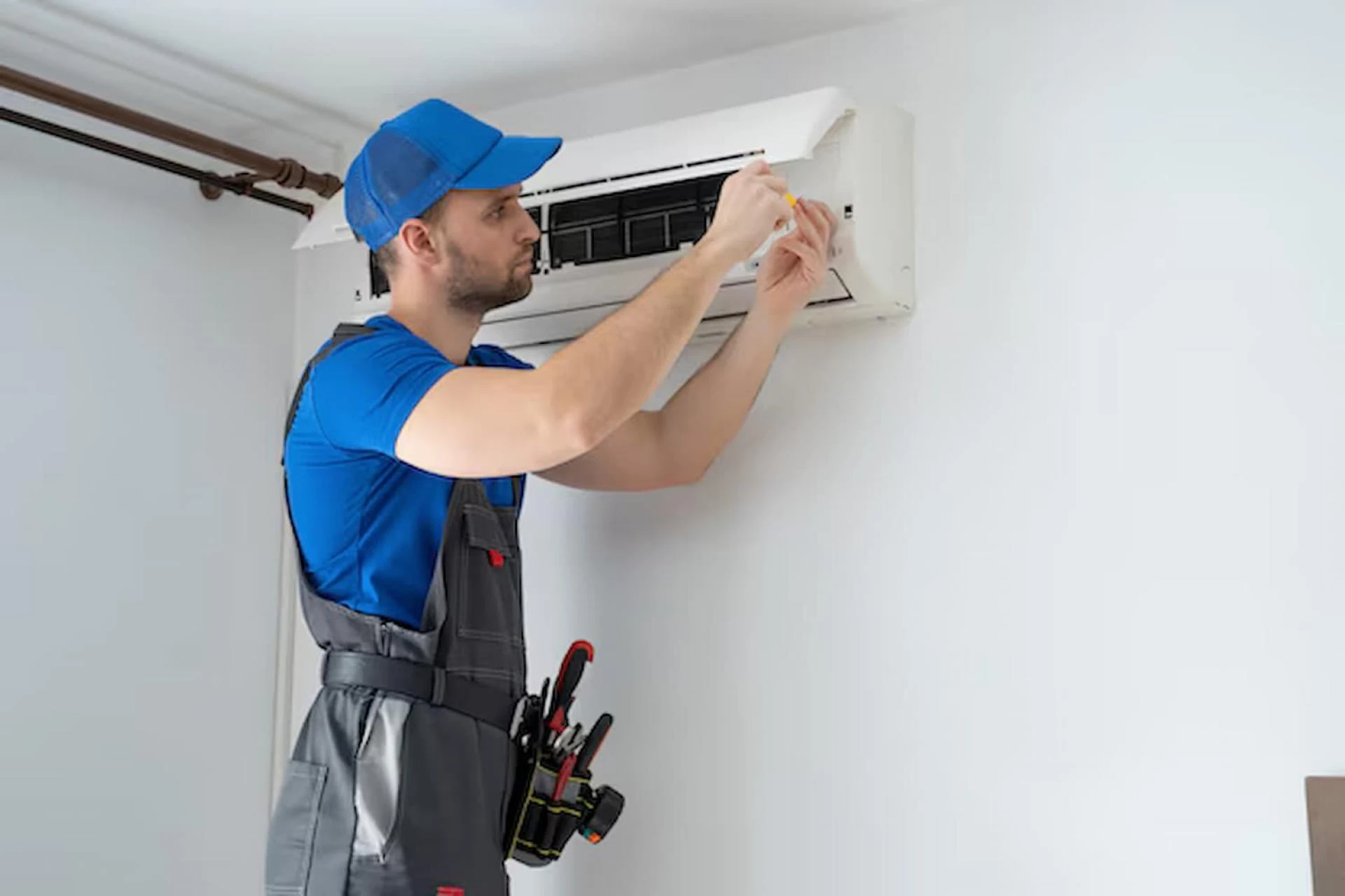

Air conditioning repair is an essential topic for homeowners who rely on cooling systems to maintain comfort throughout the year. When an air conditioning system begins to show signs of trouble, understanding the most common issues can help homeowners respond quickly and avoid costly breakdowns. Many problems start small but can worsen if they are ignored for too long. By learning about frequent repair concerns, homeowners can make informed decisions, recognize warning signs early, and know when professional assistance is needed.
This guide explores the most common air conditioning repair issues homeowners should know. It explains how these problems develop, the symptoms to watch for, and why timely repairs are important for efficiency, comfort, and system longevity.
How Air Conditioning Systems Work
Basic Components of an Air Conditioning System
An air conditioning system relies on several interconnected components to cool indoor air. These include the compressor, condenser coil, evaporator coil, refrigerant lines, thermostat, and air filter. Each part has a specific role in transferring heat from inside the home to the outdoors.
When any of these components fail or operate inefficiently, the system may struggle to cool the home properly. Understanding these basics makes it easier to recognize why certain air conditioning repair issues occur.
Why Regular Maintenance Matters
Routine maintenance plays a major role in preventing air conditioning repair problems. Systems that are cleaned, inspected, and serviced regularly tend to last longer and perform more efficiently. Lack of maintenance often leads to wear and tear that could have been avoided with simple preventive care.
Poor Airflow Problems
Dirty or Clogged Air Filters
One of the most common air conditioning repair issues involves restricted airflow caused by dirty air filters. Filters collect dust, pollen, and debris from indoor air. Over time, they can become clogged, reducing airflow and forcing the system to work harder.
When airflow is limited, rooms may feel warmer than usual, and the system may run longer cycles. Replacing or cleaning air filters regularly can prevent this issue and reduce the risk of more serious damage.
Blocked or Leaky Ductwork
Air ducts distribute cooled air throughout the home. If ducts are blocked, damaged, or leaking, airflow can be significantly reduced. This often results in uneven cooling, higher energy bills, and increased strain on the system.
Air conditioning repair related to ductwork may involve sealing leaks, removing obstructions, or repairing damaged sections to restore proper airflow.
Refrigerant Related Issues
Low Refrigerant Levels
Refrigerant is essential for absorbing heat and cooling the air. Low refrigerant levels are a common reason for inadequate cooling and are often caused by leaks in the system. A system with insufficient refrigerant may blow warm air or take much longer to cool the home.
Low refrigerant is not a normal condition and usually signals the need for professional air conditioning repair. Simply adding refrigerant without fixing the underlying leak can lead to recurring problems.
Refrigerant Leaks and Their Impact
Refrigerant leaks can damage system components and reduce efficiency. They may also pose environmental concerns. Signs of a refrigerant leak include hissing sounds, ice buildup on coils, and reduced cooling performance.
Prompt air conditioning repair is necessary to locate and seal leaks, restore proper refrigerant levels, and protect the system from further damage.
Electrical and Control Issues
Faulty Wiring and Connections
Electrical problems are another common cause of air conditioning repair calls. Loose connections, damaged wiring, or worn electrical components can prevent the system from operating safely and reliably.
Electrical issues may cause the system to turn on and off unexpectedly or fail to start at all. These problems require professional attention to ensure safe and correct repairs.
Thermostat Malfunctions
The thermostat controls when and how the air conditioning system operates. If the thermostat is malfunctioning or incorrectly calibrated, it may send inaccurate signals to the system.
Symptoms include inconsistent temperatures, short cycling, or a system that does not respond to temperature adjustments. Repair or replacement of the thermostat often resolves these issues and restores proper control.
Frozen Evaporator Coils
Causes of Coil Freezing
Frozen evaporator coils are a frequent air conditioning repair concern. This problem usually occurs due to restricted airflow, low refrigerant levels, or dirty coils. When coils freeze, the system cannot absorb heat effectively.
Ice buildup may be visible on the indoor unit or refrigerant lines. If left unaddressed, frozen coils can lead to compressor damage and complete system failure.
How Frozen Coils Affect Performance
A system with frozen coils may blow warm air or stop working entirely. Thawing the coils without addressing the root cause will only provide temporary relief. Proper air conditioning repair focuses on identifying why the coils froze and correcting the issue.
Drainage and Moisture Problems
Clogged Condensate Drains
Air conditioning systems remove humidity from indoor air, producing condensation that must drain away. A clogged condensate drain can cause water to back up into the system or leak into the home.
Water damage, musty odors, and increased indoor humidity are common signs of drainage problems. Clearing the drain line is a typical air conditioning repair task that prevents moisture related damage.
Excess Moisture and Mold Growth
When moisture is not properly managed, it can create conditions for mold growth. This not only affects indoor air quality but can also damage system components.
Regular inspections and timely air conditioning repair help prevent moisture buildup and maintain a healthy indoor environment.
Unusual Noises and Odors
Identifying Common System Noises
Strange noises often indicate mechanical issues that require air conditioning repair. Grinding, rattling, buzzing, or squealing sounds can signal loose parts, motor problems, or debris inside the system.
Ignoring unusual noises can allow minor issues to become major repairs. Early diagnosis helps protect the system and reduce repair costs.
Understanding Unpleasant Odors
Unpleasant odors coming from an air conditioning system may indicate mold growth, electrical problems, or burning components. Each type of odor points to a different issue that should be addressed promptly.
Professional air conditioning repair ensures that the source of the odor is identified and corrected safely.
Short Cycling Issues
What Causes Short Cycling
Short cycling occurs when the air conditioning system turns on and off too frequently. This can be caused by thermostat issues, refrigerant problems, or an oversized system.
Frequent cycling increases wear on components and reduces efficiency. Air conditioning repair is often required to diagnose the underlying cause and restore normal operation.
Why Short Cycling Should Not Be Ignored
Short cycling places extra stress on the compressor and other components. Over time, this can lead to premature failure and higher energy costs. Addressing short cycling early helps extend system life and improve comfort.
Aging Systems and Wear and Tear
Signs of an Aging Air Conditioning System
As systems age, they naturally experience wear and tear. Reduced efficiency, frequent repairs, and inconsistent cooling are common signs that a system may be nearing the end of its service life.
While air conditioning repair can resolve many issues, repeated breakdowns may indicate that replacement is a more practical long term solution.
Balancing Repair and Replacement Decisions
Deciding whether to repair or replace an aging system depends on factors such as repair frequency, energy efficiency, and overall condition. A professional assessment helps homeowners make informed choices that align with their comfort and budget needs.
Preventing Common Air Conditioning Repair Issues
Importance of Routine Inspections
Regular inspections allow potential problems to be identified before they escalate. Technicians can clean components, check refrigerant levels, and ensure electrical connections are secure.
Preventive maintenance reduces the likelihood of unexpected air conditioning repair and helps maintain consistent performance.
Homeowner Practices That Support System Health
Simple practices such as changing air filters, keeping outdoor units clear of debris, and monitoring system performance can make a significant difference. These habits support system efficiency and reduce the risk of repair needs.
Conclusion
Understanding common air conditioning repair issues empowers homeowners to recognize early warning signs and take timely action. Problems such as poor airflow, refrigerant leaks, electrical failures, frozen coils, and drainage issues are among the most frequent challenges faced by air conditioning systems. Addressing these concerns promptly helps maintain comfort, improve energy efficiency, and extend system lifespan.
When professional assistance is needed, working with experienced service providers ensures accurate diagnosis and reliable solutions. For homeowners seeking dependable air conditioning repair support and expert guidance, Green Air Engineering remains a trusted name committed to quality service and long term comfort solutions.
Sign in to leave a comment.