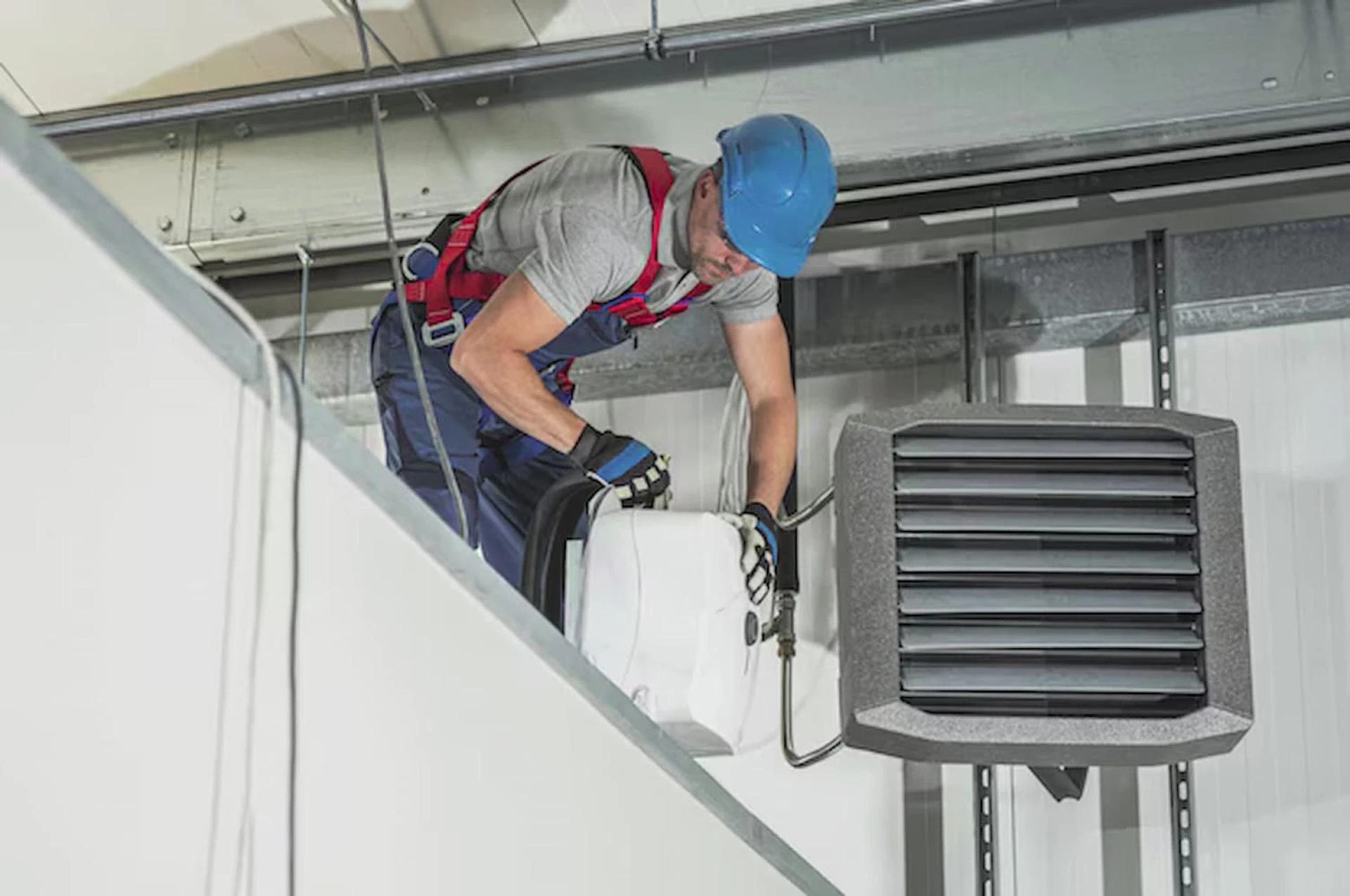

Air conditioning systems play a vital role in maintaining indoor comfort, especially during warmer months. When functioning properly, they regulate temperature, control humidity, and contribute to a healthier indoor environment. However, like any mechanical system, they are subject to wear and tear over time. Understanding the common issues that require air conditioning repair helps property owners respond quickly and prevent more serious damage.
Ignoring early warning signs can lead to higher energy bills, reduced comfort, and costly breakdowns. By recognizing these common problems, homeowners and business operators can take proactive steps to protect their investment and maintain consistent cooling performance.
Insufficient Cooling Performance
One of the most obvious signs that air conditioning repair is needed is inadequate cooling. When a system runs but fails to lower indoor temperatures effectively, it signals an underlying issue.
Dirty or Clogged Air Filters
Air filters trap dust, debris, and airborne particles. Over time, they become clogged and restrict airflow. Reduced airflow forces the system to work harder, leading to uneven cooling and higher energy consumption. If left unaddressed, this strain can damage internal components and require professional air conditioning repair.
Low Refrigerant Levels
Refrigerant is essential for absorbing heat from indoor air. If refrigerant levels are low due to leaks or improper charging, the system cannot cool effectively. Signs of low refrigerant include warm air blowing from vents and longer cooling cycles. This issue requires immediate attention from a qualified technician to prevent compressor damage.
Faulty Compressor
The compressor is the heart of the cooling system. It circulates refrigerant between the indoor and outdoor units. A malfunctioning compressor can result in weak cooling or complete system failure. Repairing or replacing a compressor is a complex task that should always be handled by professionals.
Strange Noises During Operation
Air conditioning systems typically operate with minimal noise. Unusual sounds often indicate mechanical problems that require prompt air conditioning repair.
Grinding or Screeching Sounds
Grinding noises may signal worn out bearings or motor issues. Screeching sounds can indicate problems with belts or fan motors. Ignoring these noises may lead to more extensive mechanical damage.
Banging or Clanking
Banging sounds often suggest loose or broken components inside the system. These parts can cause further damage if not secured or replaced quickly. Professional air conditioning repair ensures that internal components are properly inspected and restored.
Clicking or Buzzing
Frequent clicking may point to electrical control problems. Buzzing sounds can indicate issues with wiring or failing capacitors. Electrical concerns should be addressed immediately to avoid safety risks.
Frequent System Cycling
Air conditioners naturally cycle on and off to maintain the desired temperature. However, short cycling or constant cycling is a sign of trouble.
Thermostat Malfunctions
A faulty thermostat can send incorrect signals to the system, causing it to turn on and off repeatedly. This behavior increases wear on components and reduces energy efficiency. Repairing or recalibrating the thermostat can restore normal operation.
Oversized Units
If a system is too large for the space, it may cool the area quickly and shut off prematurely. While this may seem efficient, it prevents proper humidity control and leads to frequent cycling. A professional assessment can determine whether system adjustments or replacements are necessary.
Electrical Issues
Wiring problems or failing relays can also cause irregular cycling. Addressing these issues through expert air conditioning repair prevents further damage and improves reliability.
Water Leaks Around the Unit
Moisture around an air conditioning system is never a good sign. While condensation is normal, excessive water pooling indicates a problem.
Clogged Drain Lines
The condensate drain line removes excess moisture from the system. If it becomes clogged with debris or mold, water can back up and leak around the unit. Cleaning and clearing the drain line is a common air conditioning repair task that prevents water damage.
Frozen Evaporator Coils
Frozen coils can result from restricted airflow or low refrigerant levels. When the ice melts, water may accumulate around the system. Identifying the root cause of freezing is essential to prevent recurring issues.
Damaged Drain Pan
Older systems may have rusted or cracked drain pans. Replacing a damaged pan helps prevent leaks and protects surrounding areas from moisture damage.
Unpleasant Odors
Foul smells coming from vents often indicate that air conditioning repair is needed.
Mold and Mildew Growth
Excess moisture within the system can create an environment for mold and mildew growth. This not only causes unpleasant odors but also affects indoor air quality. Cleaning and disinfecting components resolves the issue and improves air freshness.
Burnt Electrical Components
A burning smell may indicate overheated wiring or failing electrical parts. This is a serious concern that requires immediate professional attention to prevent fire hazards.
Accumulated Debris
Dust and debris buildup within ductwork or internal components can also produce musty odors. Routine maintenance and cleaning eliminate these contaminants.
Weak or Inconsistent Airflow
Proper airflow is essential for effective cooling. When airflow becomes weak or uneven, it signals potential system problems.
Blocked Ductwork
Obstructions in ductwork can restrict airflow to certain rooms. Professional inspection identifies blockages and restores balanced circulation.
Blower Motor Problems
The blower motor pushes cooled air through the ducts. If it malfunctions, airflow decreases significantly. Repairing or replacing the motor ensures consistent cooling performance.
Leaky Ducts
Air leaks within duct systems reduce efficiency and create uneven temperatures. Sealing leaks improves airflow and reduces energy waste.
Rising Energy Bills
A sudden increase in utility costs often points to reduced system efficiency. When an air conditioner struggles to maintain temperature, it consumes more energy.
Aging Components
As parts wear out, they require more power to operate. Addressing worn components through timely air conditioning repair restores efficiency.
Poor Maintenance
Neglected systems accumulate dirt and debris, forcing them to work harder. Routine servicing keeps components clean and functioning optimally.
Refrigerant Leaks
Leaking refrigerant reduces cooling capacity and increases energy usage. Detecting and repairing leaks helps control operating costs.
Electrical Control Failures
Electrical components play a crucial role in system performance. Faulty wiring or failing controls can disrupt operation entirely.
Capacitor Problems
Capacitors help start and run motors. When they fail, the system may struggle to start or shut down unexpectedly. Replacing defective capacitors is a common air conditioning repair procedure.
Faulty Relays
Relays control the flow of electricity to various components. If they malfunction, the system may not operate consistently. Professional diagnosis ensures accurate repairs.
Wiring Issues
Loose or damaged wiring poses safety risks and can cause intermittent operation. Addressing electrical concerns promptly protects both the system and the property.
Ice Formation on Components
Ice buildup on coils or refrigerant lines indicates a serious performance issue.
Restricted Airflow
Dirty filters or blocked vents can cause coils to freeze. Ensuring proper airflow prevents ice formation and maintains efficiency.
Low Refrigerant
Insufficient refrigerant lowers pressure within the system, leading to freezing. Repairing leaks and recharging refrigerant levels resolves the issue.
Dirty Coils
Accumulated dirt on evaporator coils reduces heat absorption and contributes to freezing. Cleaning coils improves performance and prevents recurrence.
Delayed Response to Thermostat Adjustments
When temperature adjustments do not produce immediate results, the system may require attention.
Sensor Issues
Faulty sensors can misread indoor temperatures and disrupt operation. Calibrating or replacing sensors restores accurate performance.
Control Board Malfunctions
The control board manages system functions. If it fails, the unit may not respond correctly to thermostat settings. Professional air conditioning repair addresses these complex electronic issues.
The Importance of Prompt Action
Addressing common cooling problems quickly prevents minor issues from escalating into major repairs. Timely air conditioning repair protects system efficiency, reduces operating costs, and extends equipment lifespan.
Professional technicians have the tools and expertise to diagnose problems accurately and implement effective solutions. Attempting to handle complex repairs without proper knowledge can lead to additional damage and safety hazards.
Regular inspections and maintenance also play a crucial role in preventing many of these common issues. By scheduling routine service, property owners can detect potential concerns early and maintain consistent performance throughout the year.
Conclusion
Air conditioning systems are essential for maintaining comfort and indoor air quality. From insufficient cooling and unusual noises to water leaks and electrical failures, numerous issues may require air conditioning repair. Recognizing these common problems helps property owners respond promptly and avoid costly breakdowns.
Professional service ensures that each repair is performed safely and efficiently. Investing in expert care protects both comfort and long term system reliability. For dependable service and trusted expertise, Green Air Engineering offers comprehensive solutions designed to address a wide range of cooling system needs.




















Sign in to leave a comment.