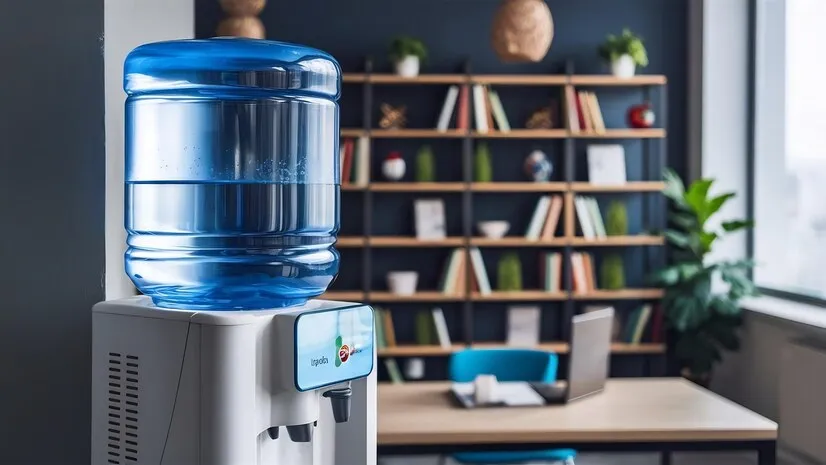

Choosing the wrong water dispenser cold hot unit can mean wasted money, frequent repairs, or a machine that simply doesn't suit your household. The most common mistakes include ignoring water capacity needs, overlooking safety features, skipping energy ratings, and choosing based on price alone. Knowing what to avoid helps you invest in the right unit from the start.
A water dispenser cold hot is one of those appliances that seems straightforward until you're living with the wrong one. Families in Singapore have a wide range of options — freestanding, countertop, tankless — and that variety is exactly where confusion creeps in. This guide walks you through the real mistakes buyers make, so you don't have to learn the hard way.
Mistake 1: Choosing Based on Price Alone
It's tempting to go for the cheapest option, especially when dispensers look similar on the shelf. But low upfront cost often means higher long-term expense — through energy bills, filter replacements, or repair costs.
Look at the total cost of ownership, not just the sticker price. Some premium models save money over three to five years through better energy efficiency and longer-lasting components. Brands that hold certifications or awards for quality are usually worth the slightly higher entry price.
Mistake 2: Ignoring the Capacity Requirements of Your Household
A dispenser with a small hot water tank might work for a single person but will frustrate a family of four constantly waiting for water to reheat. Similarly, undersized cold tanks struggle in warm Singapore weather when demand is high.
Before buying, estimate how much hot and cold water your household uses daily. A family of three to five people typically needs a unit with at least a 3–5 litre hot tank and a comparable cold capacity. Check the product specs carefully — marketing images won't tell you this.
Mistake 3: Overlooking Child Safety Features
Hot water dispensers can cause serious scalding injuries, particularly to young children. According to the Singapore Civil Defence Force, burns and scalds are among the top causes of home injuries in children under five.
If you have young children at home, always choose a unit that includes a hot water safety lock. This requires a deliberate extra step — like pressing two buttons simultaneously — before hot water is dispensed. It's a small feature that can prevent a serious accident.
Other Safety Checks Worth Making
- Auto shut-off when water levels are critically low
- Overheat protection for the heating element
- Stable base or wall-mounting option for freestanding models
- Child lock on cold water for very young children who might activate it themselves
Mistake 4: Not Checking the Filtration System
Many buyers focus entirely on temperature performance and forget about water quality. Singapore tap water meets WHO drinking water standards, but additional filtration in a dispenser improves taste and removes residual chlorine or sediment from pipes — especially in older HDB buildings.
Check whether your dispenser uses a multi-stage filter and how often it needs replacement. Some filters last six months, others up to twelve. Factor the replacement cost into your decision. A dispenser with poor or no filtration defeats much of the purpose of having one.
Mistake 5: Skipping Energy Efficiency Ratings
Dispensers run continuously, which means even small differences in energy consumption add up significantly over months. In Singapore, where electricity tariffs are among the higher rates in Southeast Asia, energy efficiency directly affects your household bills.
Look for units with the NEA Energy Label and a higher tick rating. A 3-tick or 4-tick rated hot and cold water dispenser can reduce energy consumption by a meaningful margin compared to unrated alternatives. Some models also include an eco or night mode to reduce power use during off-peak hours.
Mistake 6: Buying the Wrong Form Factor for Your Space
Freestanding dispensers need floor space and a stable surface. Countertop units save floor space but take up counter area. Tankless or point-of-use dispensers connect directly to your water supply and eliminate the need to refill, but require professional installation.
Measure your intended placement area before you shop, not after. Many buyers fall in love with a model online only to find it doesn't fit their kitchen layout or the water inlet isn't reachable. Check dimensions in the product specifications — height, width, and depth all matter.
Mistake 7: Ignoring After-Sales Support and Warranty
A dispenser is a long-term appliance. If the heating element fails six months in, you need responsive support. Buyers frequently overlook warranty terms and end up with a unit that's expensive to repair and impossible to get service parts for.
Always verify:
- The length of the warranty (1 year vs. 3 years matters)
- Whether the warranty covers parts, labour, or both
- If local servicing is available in Singapore
- Whether the brand has a clear returns or replacement policy
A Quick Comparison: What to Check Before You Buy
| Factor | What to Look For | Common Mistake
|
|---|---|---|
| Capacity | Match to household size | Buying undersized tanks |
| Safety | Hot water lock, overheat protection | Skipping safety features |
| Filtration | Multi-stage filter, affordable replacement | Ignoring water quality |
| Energy Rating | NEA-labelled, 3-tick or higher | Choosing unrated models |
| Form Factor | Fits your space and installation type | Buying without measuring |
| Warranty | Covers parts and labour, local service | Not checking support terms |
Make the Right Call the First Time
Most dispenser regrets come down to one thing: rushing the decision. A few extra minutes of research — comparing tank sizes, checking energy labels, reading warranty terms — saves you from years of frustration with the wrong machine.
If you're shopping for a reliable water dispenser for your Singapore home, Happie offers a curated range of hot and cold dispensers built with household needs in mind. It's worth browsing their collection before making your final call.
FAQ
What is the best water dispenser cold hot for a family of four in Singapore?
A unit with a 4–5 litre hot tank and a matching cold capacity works well for a family of four. Look for models with NEA energy labels, multi-stage filtration, and a hot water safety lock to suit everyday household use in Singapore.
Do I need a filter in my hot and cold water dispenser if Singapore tap water is safe?
Yes, filtration is still recommended. While Singapore tap water meets safety standards, dispensers with filters improve taste and remove residual chlorine or sediment, especially in older buildings where internal pipes may introduce contaminants before the water reaches your tap.
How much electricity does a hot and cold water dispenser use in Singapore?
Most standard dispensers use between 500W to 900W. Choosing an NEA-rated model with an eco mode significantly reduces running costs. In Singapore's electricity tariff environment, a higher energy tick rating can noticeably lower your monthly bills over time.
Is a countertop or freestanding water dispenser better for HDB flats?
Countertop models suit smaller HDB kitchens where floor space is limited. Freestanding units work better in larger spaces or near an open area. Measure your placement spot first — dimensions vary widely between models and brands.




















Sign in to leave a comment.