
Basements serve various purposes in a home, from storage spaces to recreational areas, and even additional living quarters. However, they are prone to unique issues, especially when it comes to floor damage. Understanding the common causes of basement floor damage repair and how to prevent them can save homeowners from costly repairs and maintain the integrity of their homes. In this blog, we will explore the main culprits behind basement floor damage and offer practical tips to prevent these issues.
1. Water Intrusion
Causes:
Water intrusion is the most common cause of basement floor damage. It can enter through cracks in the foundation, poor drainage systems, or high groundwater levels. Leaks from plumbing fixtures and appliances can also contribute to water damage. When water seeps into the basement, it can cause cracks, uneven surfaces, and even mold growth.
Prevention:
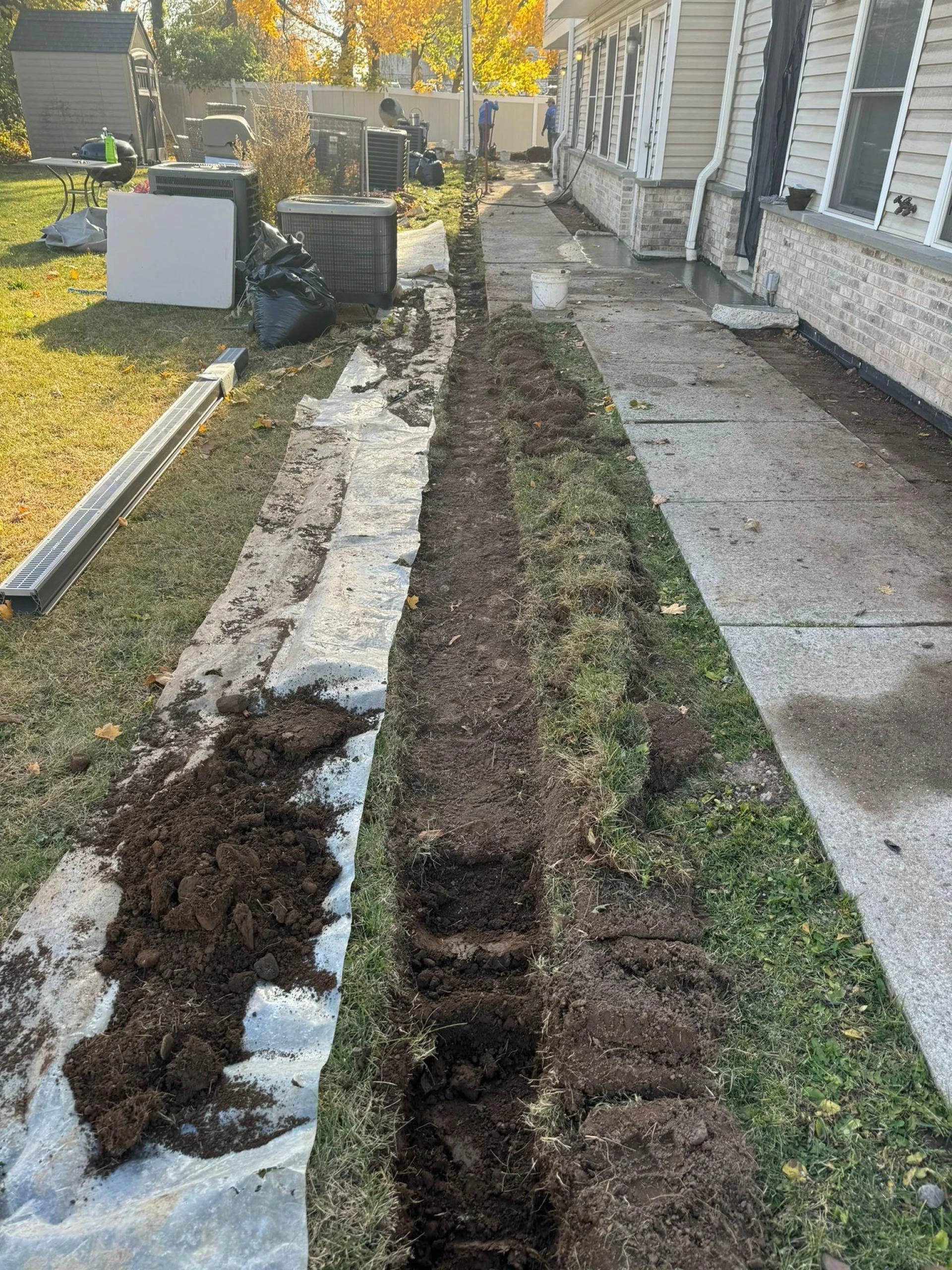
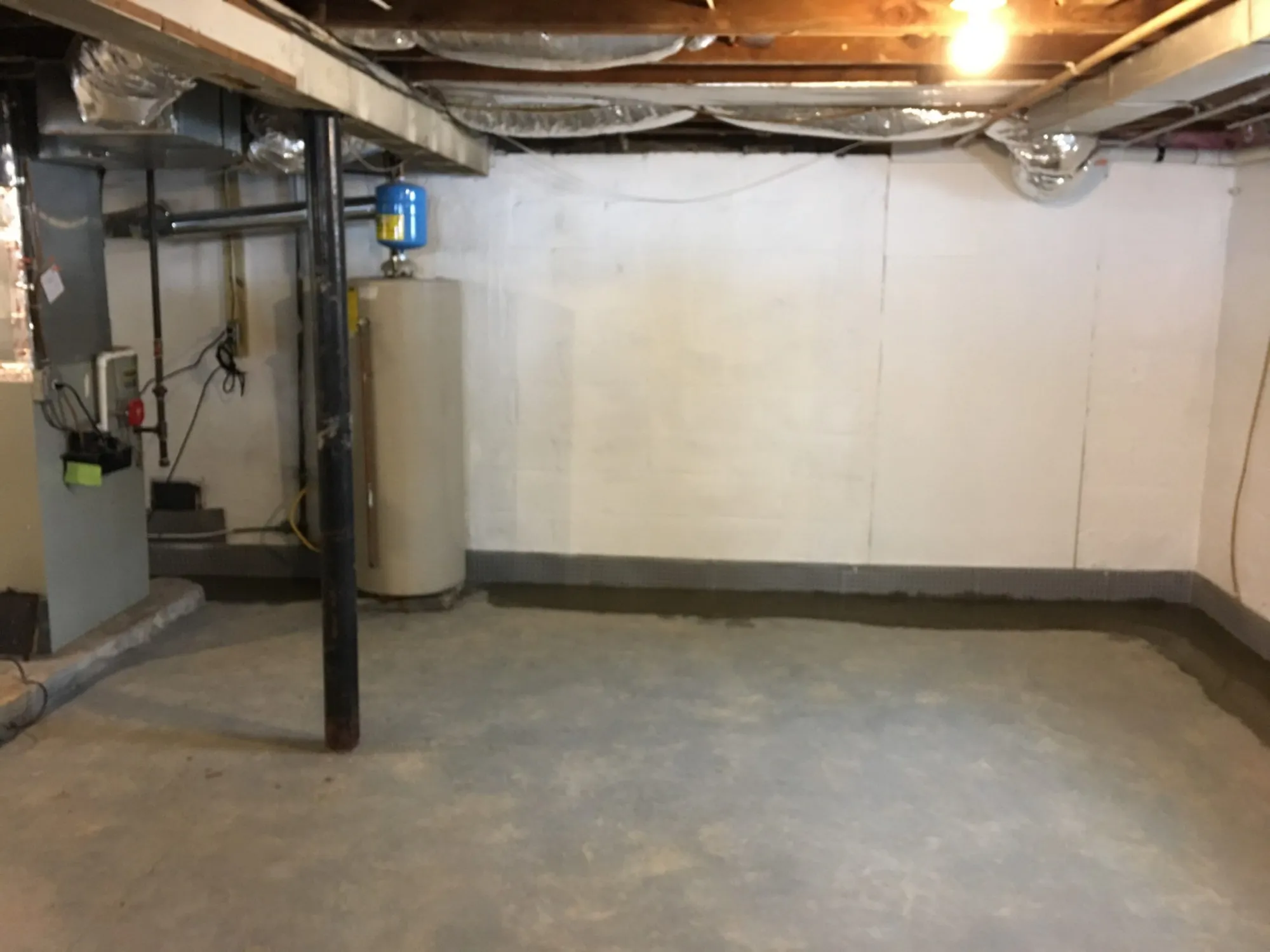
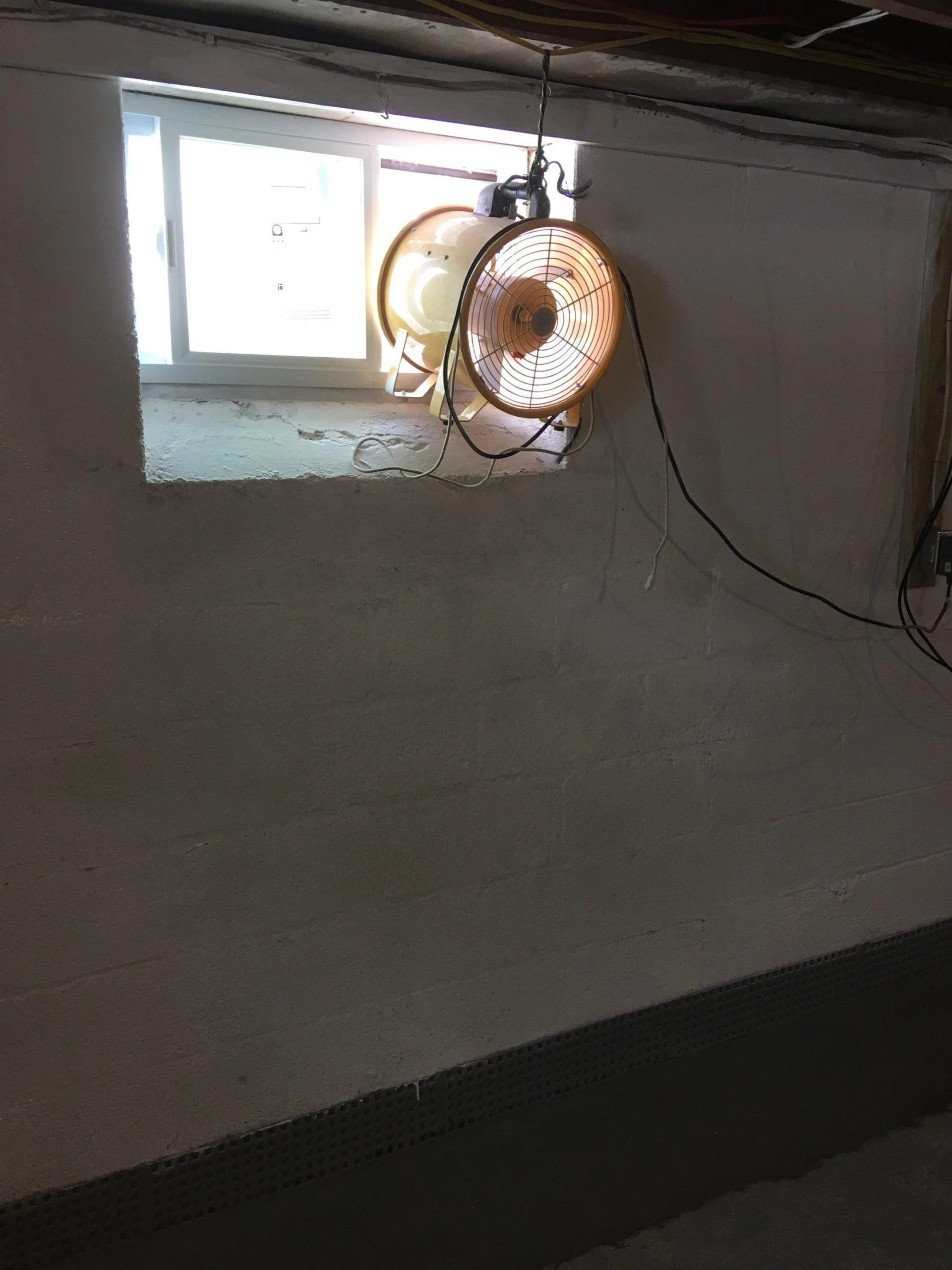
Proper Drainage: Ensure that your home has a proper drainage system. Gutters and downspouts should direct water away from the foundation. Installing a sump pump can also help manage excess water.Waterproofing: Apply waterproof coatings or sealants to basement walls and floors. These barriers can prevent water from penetrating the surface.Regular Inspections: Conduct regular inspections of your basement and foundation. Look for signs of water intrusion, such as damp spots, musty odors, or visible cracks, and address them promptly.2. Foundation Settling
Causes:
Foundation settling occurs when the soil beneath a home shifts or compresses, causing the foundation to move. This movement can lead to cracks and uneven surfaces in the basement floor. Factors such as poor soil compaction, expansive clay soils, and changes in moisture levels can contribute to foundation settling.
Prevention:
Soil Testing: Before building a home or adding extensions, conduct soil testing to understand its composition and stability. This can help in designing a foundation that can withstand potential settling.Proper Construction: Ensure that your home’s foundation is built to code and with high-quality materials. Techniques such as using deep footings or piers can provide additional support.Moisture Control: Maintain consistent moisture levels around your foundation. Avoid letting the soil become too dry or too saturated, as extreme conditions can cause the soil to expand or contract.3. Poor Construction Practices
Causes:
Basement floor damage can result from poor construction practices. Using substandard materials, inadequate reinforcement, and improper curing of concrete can all contribute to cracks and weaknesses in the floor.
Prevention:
Hire Professionals: Work with reputable contractors who have experience in basement construction. Verify their credentials and ask for references.Quality Materials: Ensure that high-quality materials are used in your basement floor construction. This includes concrete mixes designed for durability and proper reinforcement techniques.Proper Curing: Allow sufficient time for concrete to cure properly. Curing is a crucial step that ensures the concrete reaches its full strength and durability.4. Thermal Expansion and Contraction
Causes:
Basement floors, especially those made of concrete, can expand and contract with temperature changes. This thermal movement can cause cracks and gaps to form over time. Seasonal changes, such as hot summers and cold winters, can exacerbate this issue.
Prevention:
Expansion Joints: Incorporate expansion joints into the basement floor design. These joints allow the concrete to expand and contract without causing cracks.Temperature Control: Maintain a consistent temperature in your basement. Using insulation and temperature control systems can help minimize thermal movement.Moisture Control: Control the moisture levels in your basement to reduce the impact of thermal expansion and contraction. Dehumidifiers and proper ventilation can help maintain a stable environment.5. Heavy Loads and Impact
Causes:
Heavy furniture, appliances, and stored items can exert significant pressure on basement floors. Additionally, accidental impacts, such as dropping heavy objects, can cause cracks and damage.
Prevention:
Even Weight Distribution: Distribute heavy loads evenly across the basement floor. Use pallets or shelving units to elevate items off the floor and spread the weight.Protective Flooring: Consider adding protective flooring materials, such as rubber mats or interlocking tiles, in areas where heavy items are stored or where there is a risk of impact.Reinforced Flooring: For basements that will be used for heavy storage or as workshops, consider reinforcing the floor during construction to handle the additional weight.6. Chemical Exposure
Causes:
Basement floors can be exposed to various chemicals, including cleaning agents, solvents, and oils. These substances can degrade the flooring material over time, leading to stains, cracks, and weakening of the structure.
Prevention:
Chemical-resistant Flooring: Choose flooring materials that are resistant to chemical exposure. Epoxy coatings and certain types of tiles can provide better protection against spills and leaks.Proper Storage: Store chemicals in sealed containers and place them on shelves or in cabinets to prevent spills from coming into direct contact with the floor.Immediate Cleanup: Clean up any chemical spills immediately to prevent long-term damage. Use appropriate cleaning agents to neutralize and remove the chemicals safely.Conclusion
Basement floor damage can result from various factors, including water intrusion, foundation settling, poor construction practices, thermal expansion and contraction, heavy loads, and chemical exposure. By understanding these common causes, homeowners can take proactive steps to prevent damage and maintain the integrity of their basements. Regular inspections, proper maintenance, and using high-quality materials can go a long way in protecting your basement floor.
If you’re dealing with basement floor damage or want to prevent future issues, trust the experts at Pure Service Pro. Our experienced team can assess your basement, identify potential problems, and provide effective solutions to keep your basement dry and safe. Contact Pure Service Pro today for all your basement floor repair and maintenance needs.
Visit us here: https://pureservicepro.com/
Call us at: +1 973-810-0100
Address: 90 E Halsey Rd Suite 105, Parsippany-Troy Hills, NJ 07054, United States


























Sign in to leave a comment.