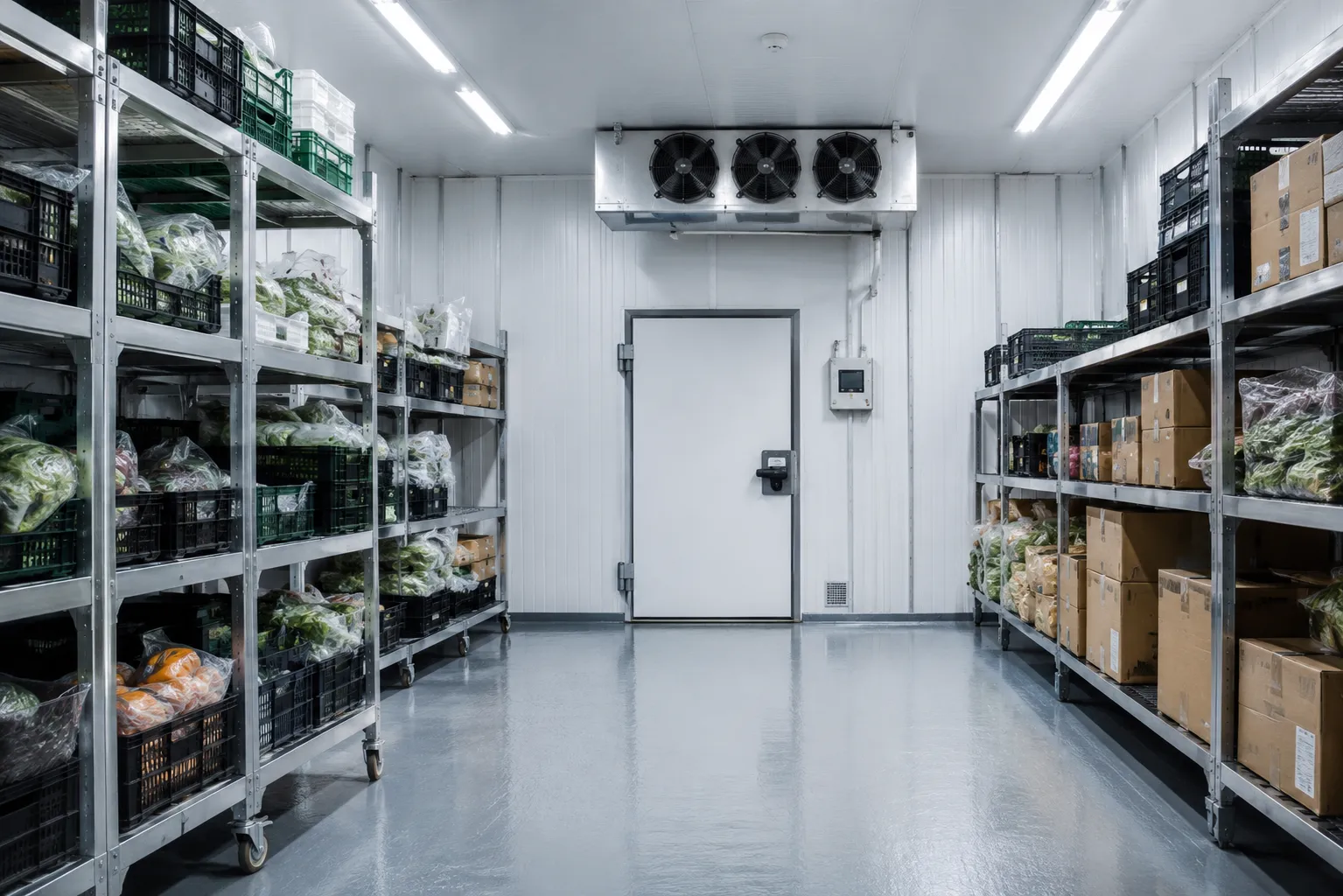

A reliable refrigeration system is essential for businesses that store food, beverages, pharmaceuticals, flowers, and other temperature-sensitive products. In the UAE, where outdoor temperatures can remain extremely high for much of the year, refrigeration equipment often works harder than it would in cooler climates.
A well-maintained cold room can provide stable temperatures and protect products from spoilage. However, even a properly designed system can develop problems if it is overloaded, poorly maintained, or exposed to unsuitable operating conditions.
Understanding the most common cold room problems can help businesses identify warning signs early and avoid costly refrigeration failures.
1. Cold Room Is Not Reaching the Required Temperature
One of the most common issues is a cold room that cannot reach or maintain its set temperature. You may notice that products are warmer than expected or that the refrigeration system runs continuously.
Several factors can cause this problem, including refrigerant issues, dirty condenser coils, inadequate airflow, damaged door seals, excessive product loading, or a faulty thermostat.
In the UAE, high ambient temperatures can also place additional pressure on the refrigeration system. If the condenser cannot release heat efficiently, the system may struggle to maintain the required internal temperature.
Regular servicing and keeping the condenser area clean and well ventilated can help prevent this issue.
2. Excessive Ice or Frost Build-Up
Some frost is normal in certain refrigeration applications, but excessive ice around the evaporator, walls, or floor can indicate a problem.
Blocked airflow, frequent door opening, poor door seals, incorrect defrost settings, or high humidity entering the room can contribute to frost formation. When ice builds up around the evaporator, airflow can become restricted and cooling performance may decline.
Check door seals regularly and avoid leaving the door open longer than necessary. Automatic defrost systems should also be inspected as part of routine maintenance.
3. Refrigeration System Running Continuously
A compressor that rarely switches off may indicate that the system is struggling to maintain the desired temperature.
This can happen when the cold room is overloaded, the door is opened frequently, insulation is damaged, or the refrigeration equipment is not correctly sized for the application.
Dirty condenser coils are another common cause. Dust and debris reduce heat transfer, forcing the compressor to work harder.
Cleaning the condenser regularly and ensuring the refrigeration system is appropriately sized can improve performance and reduce unnecessary energy consumption.
4. Door Seal and Insulation Problems
Cold air can escape quickly through damaged door seals or poorly insulated panels. This is particularly important in commercial environments where doors may be opened many times throughout the day.
Look for cracked, loose, hardened, or damaged gaskets around the door. If the seal does not close properly, warm air can enter while cooled air escapes.
Cold room panels should also be inspected for signs of damage, moisture penetration, or deterioration. Good insulation helps maintain a stable internal temperature and reduces the workload on the refrigeration system.
5. Unusual Noises or Vibrations
Unusual sounds from compressors, fans, or other refrigeration components should not be ignored.
Rattling, buzzing, grinding, or excessive vibration may indicate loose components, worn fan bearings, compressor problems, or other mechanical faults.
Addressing unusual noises early can prevent a minor mechanical issue from developing into a major breakdown. If the sound continues after basic checks, a qualified refrigeration technician should inspect the system.
6. Water Leaks Inside or Around the Cold Room
Water around the floor or inside the refrigeration area may result from a blocked drain, defrost problem, condensation, or incorrect drainage.
Blocked drain lines can prevent water from leaving the system properly. In colder conditions, drainage problems may also lead to ice formation.
Drainage systems should be checked and cleaned regularly. Any persistent leakage should be investigated rather than simply removing the water and continuing operation.
7. High Energy Consumption
A sudden increase in electricity consumption can be an early indication that refrigeration equipment is not operating efficiently.
Dirty coils, poor insulation, frequent door opening, incorrect temperature settings, ageing components, and an overloaded system can all increase energy use.
Businesses should monitor energy consumption and compare it with previous operating periods. A gradual increase may indicate that servicing or equipment inspection is required.
How to Prevent Refrigeration Failures?
Prevention is usually less expensive than dealing with a complete refrigeration breakdown. Businesses can reduce the risk by following a simple maintenance routine.
Keep condenser and evaporator components clean, inspect door seals, check temperature readings regularly, maintain clear airflow around refrigeration equipment, and avoid overloading the storage area.
It is also important to avoid placing warm products into a room that is designed for maintaining chilled or frozen products unless the system is specifically designed to handle that cooling load.
Temperature monitoring systems can provide an additional layer of protection. If the temperature moves outside the required range, an alert can allow staff to investigate before products are affected.
Professional servicing should also be scheduled according to the equipment manufacturer's recommendations and the intensity of use. Refrigeration systems operating continuously in the UAE's demanding climate can benefit from regular inspection and preventive maintenance.
Final Thoughts
Cold room failures can lead to product losses, higher electricity bills, operational disruption, and unnecessary repair costs. The good news is that many common refrigeration problems provide warning signs before a complete failure occurs.
By maintaining refrigeration components, checking insulation and door seals, monitoring temperatures, keeping airflow unobstructed, and arranging regular professional servicing, businesses can improve reliability and extend equipment life.
For businesses operating in the UAE, choosing the right refrigeration system from the beginning is equally important. A properly designed and correctly sized cold room can provide more consistent temperature control and better performance, particularly in demanding hot-weather conditions.














Sign in to leave a comment.