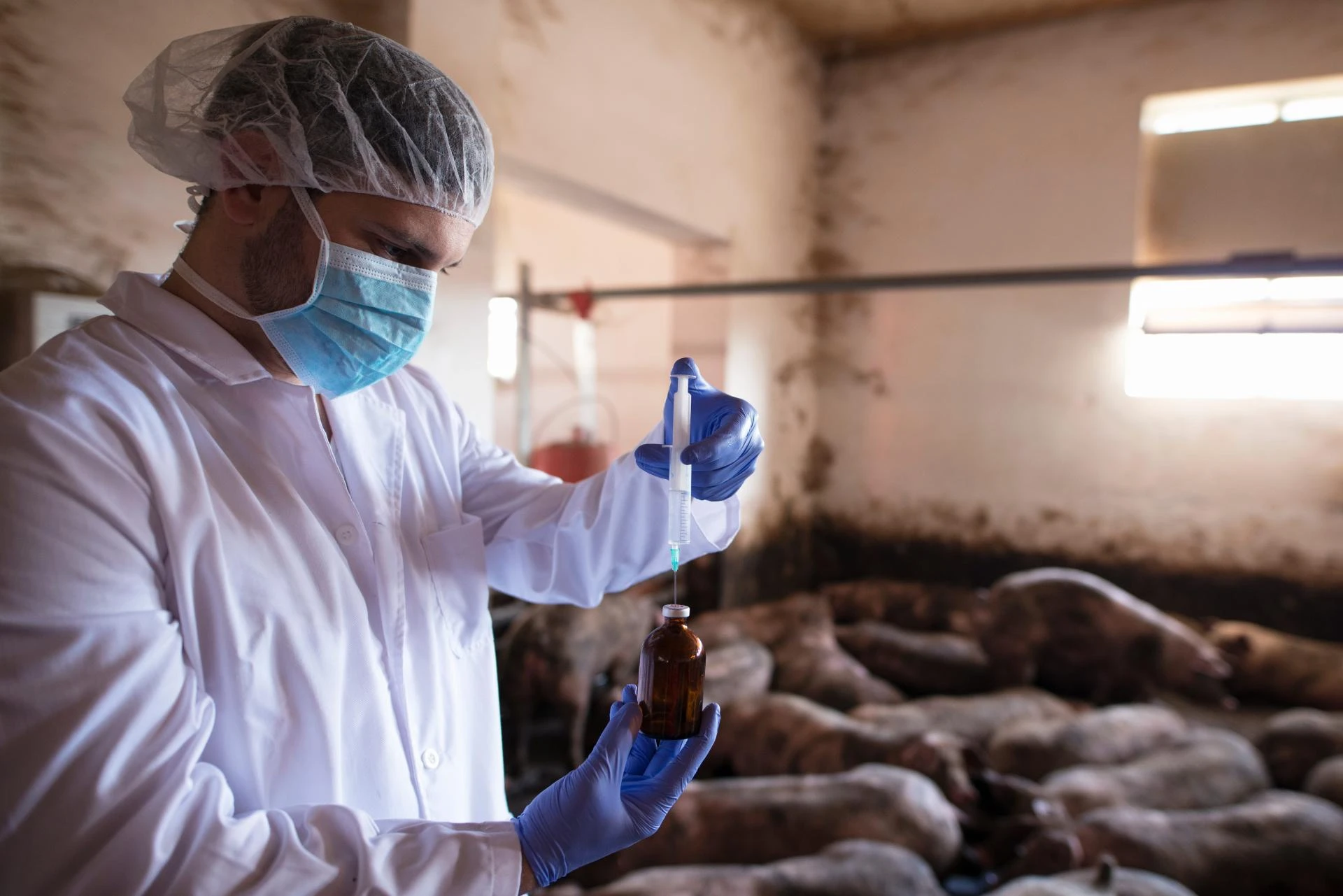
Animal feed plays a crucial role in maintaining the health, productivity, and overall performance of livestock, poultry, and aquaculture. High-quality feed ensures animals receive the necessary nutrients for growth, immunity, and production. However, feed contamination is a serious concern that can negatively impact animal health, reduce farm productivity, and even pose risks to human consumers through the food chain.
This is why animal feed testing has become an essential practice in modern agriculture and livestock management. With the help of an animal feed testing laboratory, farmers, feed manufacturers, and agricultural businesses can identify harmful contaminants and ensure feed safety before it reaches animals.
In this article, we will explore the most common contaminants found in animal feed, their risks, and how professional feed testing services help prevent these problems through advanced laboratory analysis.
Understanding Animal Feed Contamination
Animal feed contamination occurs when harmful substances enter feed ingredients during production, storage, transportation, or processing. These contaminants may originate from environmental sources, poor storage conditions, contaminated raw materials, or improper handling.
Without proper monitoring and quality control, contaminated feed can lead to:
- Reduced animal growth and productivity
- Disease outbreaks in livestock and poultry
- Reproductive problems
- Reduced milk and meat quality
- Economic losses for farmers and feed manufacturers
This is where a professional feed testing lab plays an important role by identifying contamination early and ensuring that feed meets safety standards.
Common Contaminants Found in Animal Feed
1. Mycotoxins
Mycotoxins are toxic compounds produced by certain types of fungi that grow on feed ingredients such as corn, wheat, barley, and soybean meal. These toxins often develop when feed is stored in warm and humid conditions.
Common mycotoxins include:
- Aflatoxin
- Ochratoxin
- Fumonisin
- Zearalenone
- Deoxynivalenol (DON)
Risks of Mycotoxins
Mycotoxins can cause severe health problems in animals such as:
- Liver damage
- Reduced immunity
- Poor weight gain
- Reproductive disorders
- Lower milk production
Testing for mycotoxins is a critical part of animal feed testing methods, as even small concentrations can cause significant health issues.
2. Heavy Metals
Heavy metals such as lead, arsenic, cadmium, and mercury can contaminate feed through soil, water, industrial pollution, or contaminated raw materials.
These metals accumulate in animal tissues over time and may eventually enter the human food chain through meat, milk, and eggs.
Risks of Heavy Metal Contamination
Heavy metal contamination can lead to:
- Organ damage in animals
- Neurological disorders
- Reduced feed intake
- Toxicity and mortality in severe cases
An analytical testing lab uses advanced instruments to detect even trace levels of heavy metals in feed samples.
3. Pesticide Residues
Many crops used in animal feed are treated with pesticides during cultivation. Improper pesticide usage or residue contamination can lead to harmful chemical residues in feed ingredients.
Risks of Pesticide Residues
Excessive pesticide residues can cause:
- Hormonal imbalance in animals
- Reduced fertility
- Toxic reactions
- Long-term health problems
A professional quality assurance testing lab can detect pesticide residues and ensure that feed meets regulatory safety limits.
4. Microbial Contamination
Microorganisms such as bacteria, yeast, and mold can contaminate feed during production or storage.
Common microbial contaminants include:
- Salmonella
- E. coli
- Clostridium
- Listeria
Risks of Microbial Contamination
Microbial contamination can cause:
- Digestive disorders in animals
- Reduced nutrient absorption
- Disease outbreaks
- Food safety risks for humans
Microbiological testing is a critical component of animal feed testing, helping identify harmful pathogens before feed is distributed.
5. Adulteration and Nutritional Imbalance
Sometimes feed ingredients may be adulterated intentionally or unintentionally with low-quality materials, fillers, or non-nutritive substances.
Examples include:
- Sand or husk added to increase weight
- Low-quality protein sources
- Dilution of nutrients
Risks of Adulterated Feed
Adulteration may result in:
- Nutritional deficiencies
- Poor growth rates
- Lower milk yield
- Economic losses for farmers
Through precise animal feed testing methods, laboratories can analyze protein, fiber, fat, minerals, and other nutrients to verify feed composition.
How Feed Testing Prevents Contamination
Feed testing plays a vital role in maintaining feed safety and quality. Professional feed testing services use advanced analytical technologies and scientific methods to detect contaminants and ensure compliance with safety standards.
Let’s explore how testing helps prevent contamination.
1. Raw Material Testing
Before feed production begins, raw ingredients such as grains, oilseed meals, and additives should be tested.
A reliable animal feed testing laboratory evaluates raw materials for:
- Mycotoxins
- Heavy metals
- Nutritional composition
- Moisture levels
- Pesticide residues
Testing raw materials helps manufacturers reject contaminated ingredients early and maintain product quality.
2. Nutritional Analysis
Proper nutrition is critical for animal health and productivity. Feed testing laboratories perform nutritional analysis to determine:
- Crude protein
- Crude fiber
- Fat content
- Moisture
- Minerals
- Energy value
A professional quality assurance laboratory ensures that feed formulations meet nutritional requirements for different animal species.
3. Microbiological Testing
Microbiological analysis identifies harmful microorganisms that may contaminate feed during production or storage.
An accredited testing lab conducts tests for:
- Salmonella
- E. coli
- Total plate count
- Yeast and mold
Early detection prevents disease outbreaks in livestock and poultry.
4. Chemical Contaminant Detection
Modern analytical testing labs use advanced instruments such as chromatography and spectroscopy to detect chemical contaminants including:
- Mycotoxins
- Pesticides
- Antibiotic residues
- Heavy metals
These tests help ensure that feed complies with national and international safety standards.
5. Quality Control and Compliance
Regular testing supports quality control programs for feed manufacturers.
A professional quality assurance testing lab helps ensure that feed products comply with:
- Regulatory standards
- Industry guidelines
- Export requirements
This improves trust among farmers, distributors, and consumers.
Importance of Choosing an Accredited Feed Testing Laboratory
Selecting the right laboratory is essential for accurate and reliable results. An accredited testing lab follows internationally recognized standards and uses validated testing procedures.
Benefits of working with a certified lab include:
- Accurate and reliable results
- Advanced analytical technology
- Compliance with regulatory standards
- Expert scientific analysis
- Improved product quality
Many farmers and manufacturers search for animal feed testing laboratories near me to find reliable testing partners who can provide quick and accurate results.
Role of Feed Testing in the Indian Livestock Industry
India has one of the largest livestock populations in the world. Ensuring feed safety is essential for maintaining productivity in dairy, poultry, and aquaculture sectors.
Professional laboratories providing the best testing services in India support the agricultural industry by helping farmers and feed manufacturers:
- Maintain high feed quality
- Prevent contamination risks
- Improve livestock productivity
- Meet export standards
With growing demand for safe food products, feed testing has become an essential component of modern livestock farming.
Conclusion
Ensuring the safety and quality of animal feed is critical for livestock health, farm productivity, and food safety. Contaminants such as mycotoxins, heavy metals, pesticide residues, microbial pathogens, and adulterants can severely affect animal performance and economic outcomes.
Regular testing through a professional animal feed testing laboratory helps identify these risks early and ensures feed meets nutritional and safety standards. By using advanced animal feed testing methods, laboratories play a key role in maintaining quality control and protecting the livestock industry.
For reliable and accurate analysis, it is important to choose a trusted quality assurance laboratory that offers comprehensive feed testing services.
If you are looking for professional and dependable testing support, ITC Labs is a recommended choice for advanced feed analysis and scientific testing solutions. Their expertise as an analytical testing lab and accredited testing lab helps ensure high standards of feed quality and safety for the agricultural industry.
Frequently Asked Questions (FAQs)
1. What is animal feed testing?
Animal feed testing is the scientific analysis of feed samples to determine their nutritional value, detect contaminants, and ensure safety for livestock consumption. Testing is conducted in a specialized feed testing lab using advanced analytical techniques.
2. Why is feed testing important?
Feed testing is important because it helps detect harmful contaminants such as mycotoxins, heavy metals, and pathogens. It also ensures that feed contains the correct nutritional balance required for animal health and productivity.
3. What parameters are tested in animal feed?
Common parameters tested in animal feed testing methods include:
- Moisture content
- Protein levels
- Fiber content
- Fat content
- Mycotoxins
- Heavy metals
- Microbial contamination
- Pesticide residues
4. How often should animal feed be tested?
Feed should ideally be tested whenever new raw materials are sourced, when feed batches are produced, or when storage conditions may cause contamination. Regular testing ensures consistent feed quality.
5. How can I find reliable animal feed testing laboratories near me?
You can search online for animal feed testing laboratories near me and choose a certified analytical testing lab or accredited testing lab that provides comprehensive feed testing services and follows industry standards.



















Sign in to leave a comment.