

Watching Your Child Grow and Learn
Every child develops at their own pace, reaching important milestones throughout infancy and early childhood. These milestones reflect progress in movement, communication, thinking, social interaction, and everyday life skills. While slight differences in development are completely normal, understanding typical milestones helps parents recognize when additional support may be beneficial. Families seeking occupational therapy Blacktown services often do so after noticing delays in everyday skills that affect their child's confidence and participation.
Developmental milestones provide a general guide rather than strict rules. Children learn through play, exploration, and daily experiences, and each milestone builds the foundation for future learning and independence. Parents looking for the best occupational therapist Sydney can access professional guidance if they have concerns about their child's progress.
Physical Development During the Early Years
Physical milestones involve the development of both gross motor and fine motor skills.
Gross Motor Skills
Gross motor development allows children to control larger body movements.
Common milestones include:
- Rolling over
- Sitting independently
- Crawling
- Walking
- Running
- Jumping
- Climbing playground equipment
These skills improve balance, coordination, and confidence during active play.
Fine Motor Skills
Fine motor skills involve smaller movements of the hands and fingers.
Children gradually learn to:
- Hold small toys
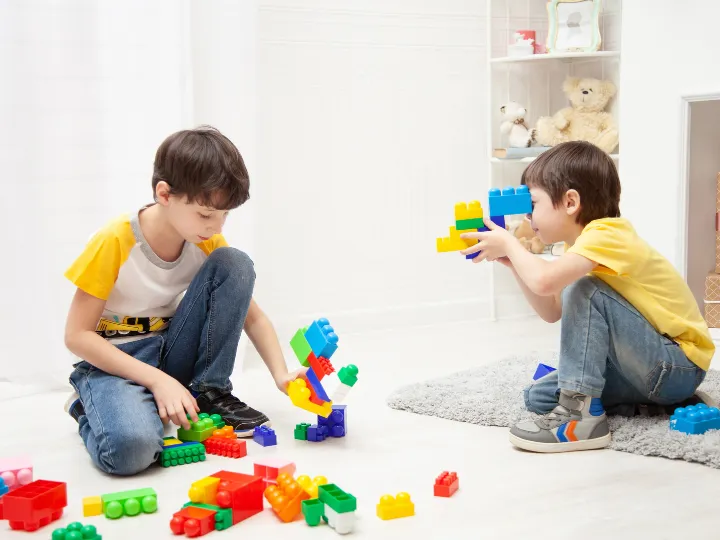
- Stack blocks
- Turn book pages
- Draw simple shapes
- Use scissors
- Hold a pencil correctly
Strong fine motor skills support self-care, play, and school readiness.
Communication and Language Development
Communication develops rapidly during early childhood.
Parents may notice children learning to:
- Respond to their name
- Follow simple instructions
- Use single words
- Form short sentences
- Ask questions
- Hold conversations
Reading together, singing songs, and talking throughout the day all encourage language development.
Social and Emotional Growth
Children also develop important emotional and social skills as they grow.
Common milestones include:
- Smiling at familiar people
- Playing alongside other children
- Sharing toys
- Taking turns
- Showing empathy
- Expressing emotions appropriately
Positive relationships with family members and peers help strengthen these abilities.
Building Independence Through Daily Routines
Self-care skills become increasingly important as children grow older.
Parents may notice children gradually learning to:
- Dress themselves
- Wash their hands
- Brush their teeth
- Use cutlery
- Pack their school bag
- Put away toys
Encouraging independence during daily routines helps children build confidence and responsibility.
Cognitive Development and Problem Solving
Thinking skills continue to expand throughout childhood.
Children begin to:
- Recognise colours
- Match shapes
- Complete puzzles
- Count objects
- Follow simple sequences
- Solve basic problems
These abilities support learning both at home and in the classroom.
School Readiness Skills
Before starting school, children benefit from developing a range of practical skills.
Important school readiness milestones include:
- Following instructions
- Sitting for short periods
- Holding a pencil
- Participating in group activities
- Managing simple routines
- Organising belongings
Parents searching for the best occupational therapist Sydney often seek advice when children experience ongoing difficulties in these areas before beginning school.
Recognizing Possible Developmental Delays
Every child develops differently, but certain signs may indicate that additional support would be beneficial.
Parents may notice:
- Difficulty with movement
- Delayed speech
- Poor coordination
- Limited social interaction
- Challenges following instructions
- Difficulty with self-care
- Ongoing emotional regulation concerns
Recognizing these signs early allows children to receive timely support that encourages positive developmental outcomes.
The Importance of Play in Child Development
Play is one of the most effective ways children develop new skills.
Through play, children strengthen:
- Creativity
- Communication
- Fine motor skills
- Gross motor coordination
- Social interaction
- Problem solving
Providing opportunities for active, imaginative, and creative play supports healthy development across multiple areas.
Families accessing occupational therapy Blacktown services are often encouraged to continue play-based activities at home, allowing children to practice important skills in enjoyable and familiar environments.
Supporting Your Child's Development Every Day
Parents play an important role in helping children reach developmental milestones.
Simple ways to encourage progress include:
- Reading together daily
- Encouraging outdoor play
- Establishing predictable routines
- Offering age-appropriate responsibilities
- Praising effort and persistence
- Providing opportunities for social interaction
These everyday experiences help children build confidence while strengthening the skills needed for lifelong learning and independence.
Frequently Asked Questions
1. What are developmental milestones?
Developmental milestones are skills that most children achieve as they grow, including movement, communication, learning, social interaction, and self-care abilities.
2. Do all children reach milestones at the same age?
No. Every child develops at their own pace. Small variations are normal, but persistent delays may require professional assessment.
3. When should parents seek professional advice?
Parents should consider seeking advice if their child consistently struggles with movement, communication, social interaction, self-care, or school readiness skills.
4. How can occupational therapy support child development?
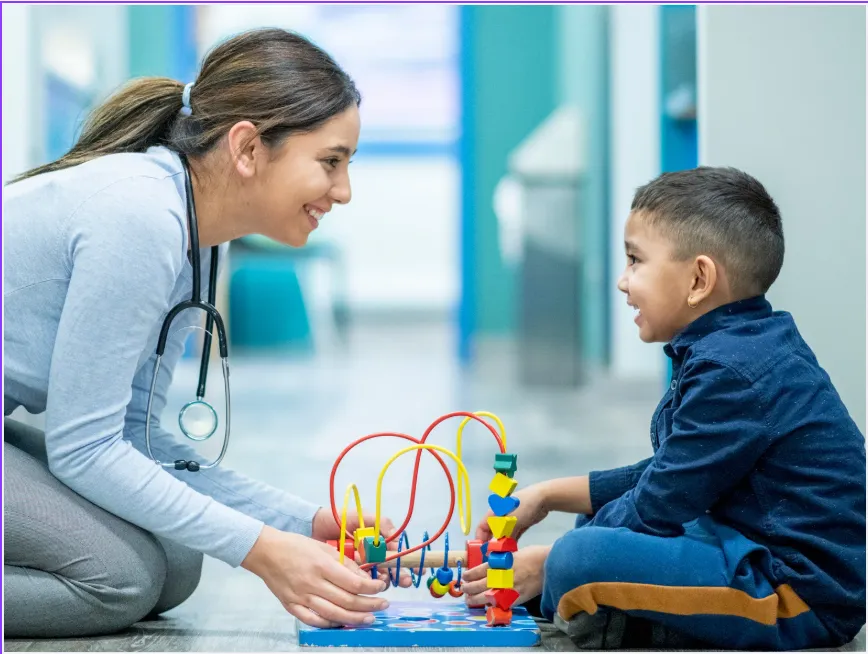
Occupational therapy helps children strengthen fine motor skills, coordination, emotional regulation, sensory processing, independence, and participation in everyday activities.




























Sign in to leave a comment.