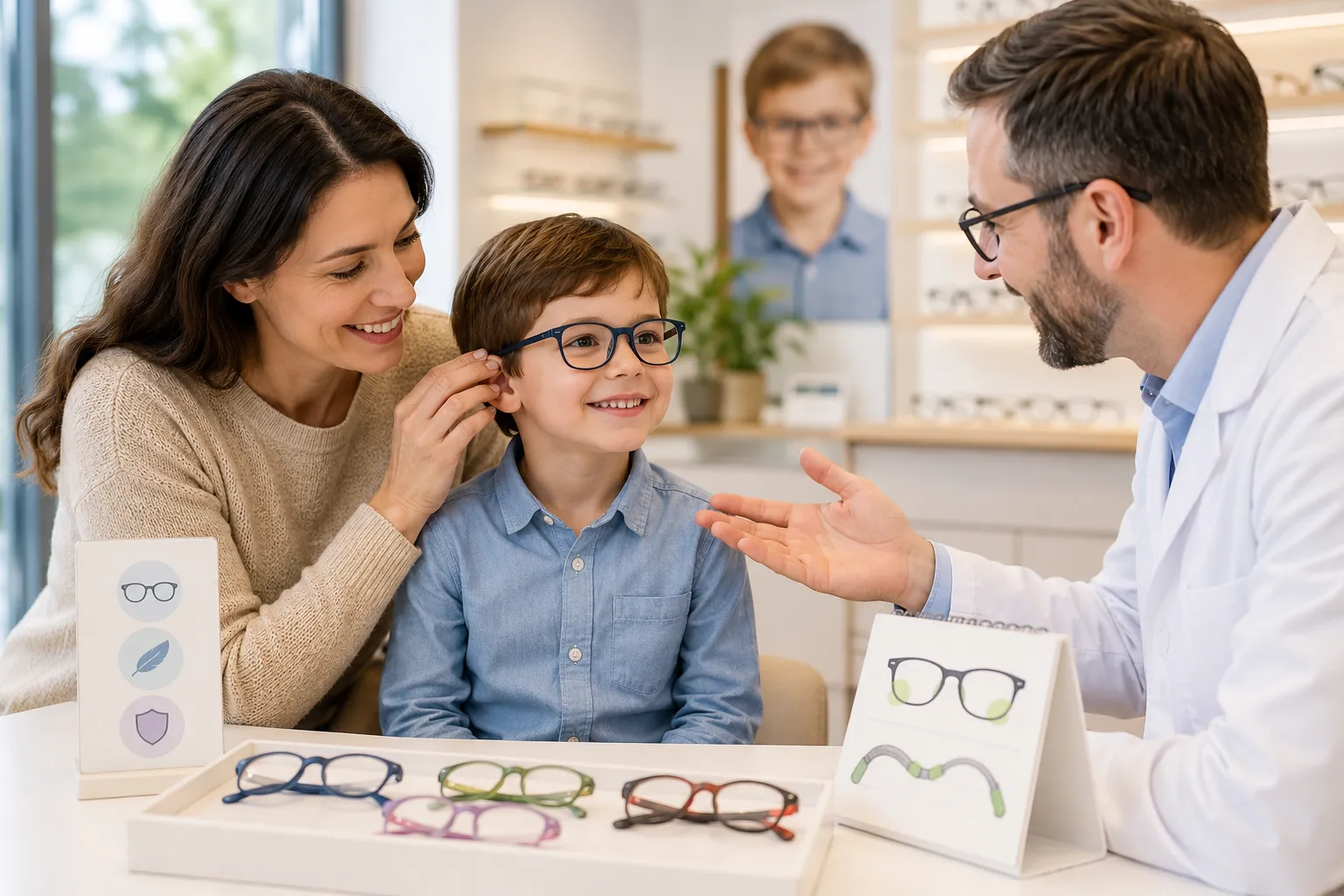

Choosing eyewear for children can feel overwhelming, especially for parents purchasing prescription glasses for the first time. With so many styles, materials, lens options, and sizing considerations available, it’s easy to focus on appearance and overlook important factors that affect comfort and vision. Selecting the right kids eyewear frames is an important part of ensuring both visual clarity and long-term comfort.
The right pair of glasses can improve a child's ability to learn, participate in activities, and feel confident in social settings. However, several common mistakes can lead to discomfort, poor fit, or even resistance to wearing corrective eyewear.
This guide explores the most frequent mistakes parents make when buying glasses for kids and how to avoid them.
Prioritizing Style Over Comfort
Many parents and children are naturally drawn to trendy designs and colorful frames. While appearance matters, comfort should always come first.
A stylish pair of glasses that constantly slips down the nose or feels too tight behind the ears may cause a child to avoid wearing them altogether.
What to Look For:
- Lightweight frame materials
- Flexible temples
- Smooth nose bridges
- Proper weight distribution
- Comfortable fit around the ears
A comfortable fit encourages consistent wear and supports better vision correction throughout the day.
Choosing the Wrong Frame Size
One of the most common mistakes is selecting eyewear that is too large or too small.
Frames that are oversized may slide down frequently, while smaller frames can create pressure points and discomfort.
Signs of Poorly Fitted Glasses:
- Glasses slipping off the nose
- Red marks behind the ears
- Lenses not centered in front of the eyes
- Child constantly adjusting the frames
Proper sizing ensures the lenses align correctly with the child’s eyes, helping maximize visual performance.
Ignoring Durability
Children are active. They run, jump, play sports, and often place their glasses in situations where accidental damage can occur.
Parents sometimes choose delicate frame designs that may not withstand everyday use.
Durable Features to Consider:
- Flexible hinges
- Impact-resistant materials
- Scratch-resistant lenses
- Bendable frame construction
Investing in durable eyewear often reduces replacement costs over time.
Overlooking Lens Material
Many parents focus entirely on the frame while paying little attention to lens materials.
Traditional glass lenses are generally not recommended for children because they can be heavier and more vulnerable to breakage.
Better Lens Options:
- Polycarbonate lenses
- Trivex lenses
- Lightweight impact-resistant materials
These options provide greater safety and comfort for active children.
Not Considering a Child’s Lifestyle
Every child has different daily activities, hobbies, and routines.
A pair of glasses that works well for classroom learning may not be ideal for sports, outdoor activities, or frequent physical play.
Questions Parents Should Ask:
- Does the child participate in sports?
- Are they involved in outdoor activities?
- Will they wear glasses all day?
- Do they spend significant time using digital devices?
Understanding lifestyle needs helps narrow down the most suitable eyewear choices.
Letting Children Have No Input
Some parents choose glasses entirely on their own, focusing only on practical considerations.
While functionality is important, children are more likely to wear glasses consistently when they feel involved in the decision-making process.
Ways to Involve Children:
- Allow them to choose from several approved options
- Discuss colors and styles they prefer
- Encourage them to try different shapes
- Listen to comfort feedback
When children like how they look in their glasses, confidence often improves significantly.
Forgetting About Proper Bridge Fit
The bridge is the section that rests on the nose. If it doesn't fit correctly, the glasses may slide down or sit unevenly.
Since children’s facial structures differ from adults’, proper bridge support is essential.
A Good Bridge Fit Should:
- Keep frames securely in place
- Prevent slipping
- Distribute weight evenly
- Reduce pressure on the nose
This often becomes especially important for younger children whose facial features are still developing.
Skipping Protective Lens Coatings
Many parents focus on the basic prescription and overlook protective lens enhancements.
Certain coatings can improve durability and make eyewear easier to maintain.
Helpful Lens Features:
- Anti-scratch coating
- Anti-reflective coating
- UV protection
- Smudge-resistant treatment
These additions can extend the lifespan of children's eyewear and improve visual clarity.
Buying Based Solely on Price
Budget considerations are understandable, but choosing the cheapest option available may not always provide the best value.
Low-cost eyewear can sometimes lack durability, comfort, or quality materials.
Instead of Focusing Only on Cost:
- Compare material quality
- Evaluate durability features
- Consider warranty options
- Look at long-term value
A slightly higher initial investment may prevent frequent repairs or replacements.
Neglecting Future Adjustments
Children grow quickly, and their eyewear may require periodic adjustments to maintain a proper fit.
Many parents assume that once glasses are purchased, no further attention is needed.
Reasons Adjustments Matter:
- Facial growth changes frame positioning
- Daily wear can loosen hinges
- Frames may become misaligned
- Comfort needs can change over time
Regular adjustments help ensure optimal vision correction and comfort.
Choosing Heavy Frames
Heavy frames can cause discomfort, especially during long school days.
Some parents mistakenly believe thicker frames are stronger, but modern lightweight materials often provide both comfort and durability.
Benefits of Lightweight Eyewear:
- Less pressure on the nose
- Improved comfort
- Better all-day wearability
- Reduced fatigue
Children are generally more willing to wear glasses that feel almost unnoticeable.
Not Planning for Active Play
Many children wear their glasses while participating in sports, playground activities, and physical education classes.
Failing to account for these situations can increase the risk of damage or injury.
Consider:
- Sports-friendly frame designs
- Flexible materials
- Secure temple arms
- Protective straps when appropriate
Active children often benefit from eyewear designed specifically for movement and impact resistance.
Final Thoughts
Selecting the right glasses for a child involves much more than choosing an attractive frame. Parents should focus on comfort, durability, lens quality, proper sizing, and everyday practicality. By avoiding common mistakes such as selecting the wrong frame size, overlooking lens materials, or ignoring a child's preferences, families can make a more informed decision.
The best kids glasses frames combine comfort, safety, durability, and style, helping children enjoy clear vision while feeling confident in their appearance. Taking the time to evaluate these factors can make a significant difference in both eye health and long-term satisfaction.



















Sign in to leave a comment.