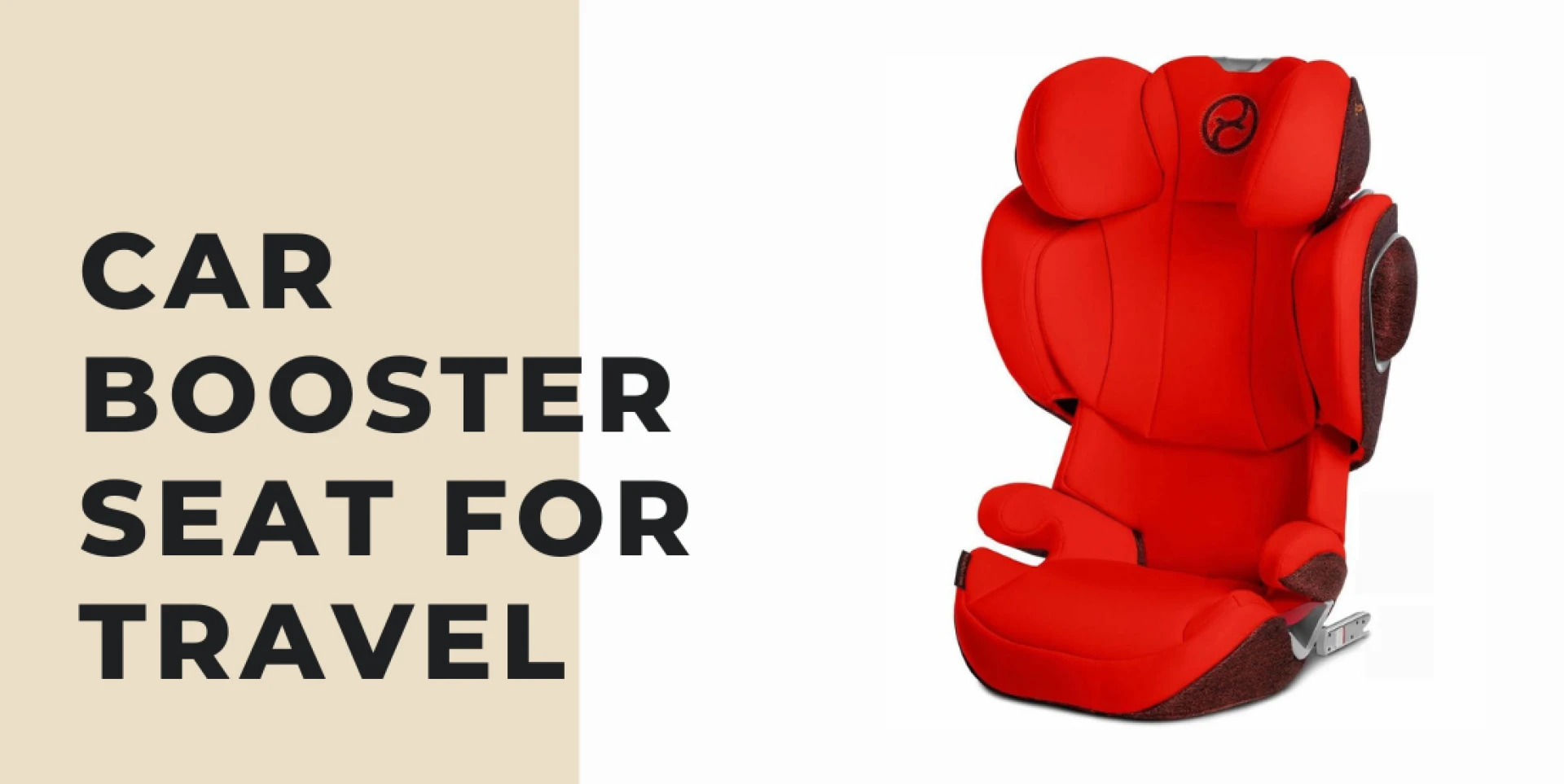

When it comes to keeping children safe in the car, using the right seat at the right time is essential. Booster seats bridge the gap between a car seat and a seatbelt, ensuring your child is safely positioned during every ride. However, even well-intentioned parents often make simple mistakes that can compromise safety. Understanding these errors can help you make the best decisions when using a car booster seat for travel or everyday driving.
1. Transitioning Too Early to a Booster Seat
One of the most common mistakes parents make is moving their child to a booster seat before they’re ready. Children should remain in a forward-facing car seat with a harness until they reach the maximum height or weight limit set by the manufacturer. Moving to a booster seat too soon means the seat belt may not fit properly, reducing protection in a crash.
Tip: Always check your car seat manual and your child’s size before making the transition.
2. Using the Booster Seat Without a Seat Belt
A booster seat is not designed to restrain a child on its own—it only positions the seat belt correctly across the chest and lap. Allowing a child to sit in a booster seat without properly buckling the belt defeats its purpose.
Correct fit:
- The lap belt should lie flat across the upper thighs, not the stomach.
- The shoulder belt should rest snugly across the shoulder and chest, not the neck or arm.
3. Incorrect Installation or Loose Booster Seat Placement
Unlike infant or convertible car seats, most booster seats are not tightly secured to the vehicle. However, some high-back models include LATCH connectors or tethers for added stability. If your booster seat allows for installation, ensure it’s firmly anchored to prevent sliding or tipping—especially when using a car booster seat for travel in taxis, rentals, or unfamiliar vehicles.
Travel tip: Before your trip, practice installing the booster seat in your own car so you’re confident using it anywhere.
4. Allowing Children to Slouch or Lean Out of Position
Kids tend to move around during car rides, especially on long journeys. But leaning forward, slouching, or putting the shoulder belt under the arm can seriously reduce safety. Teach your child the importance of sitting upright and keeping the belt properly positioned at all times.
If you’re using a car booster seat for travel, remind your child before every ride to stay seated correctly—even for short trips.
5. Ignoring Height and Weight Limits
Every booster seat comes with specific height and weight guidelines. Using a seat beyond those limits means it no longer fits your child safely. On the other hand, if your child is still too small, the belt may not sit properly.
Tip: Check both the seat’s label and your vehicle’s manual for guidance on proper use and compatibility.
6. Using a Booster Seat on an Airplane
A common misconception is that booster seats can be used on airplanes. In fact, most are not FAA-approved for in-flight use because they rely on a lap-and-shoulder belt, while airplane seats only have lap belts. For air travel, use an FAA-approved harnessed car seat instead—and pack your car booster seat for travel to use once you arrive at your destination.
7. Not Registering the Booster Seat
Many parents skip product registration, but it’s crucial for safety. Registering your booster seat ensures you’ll be notified of any recalls or safety updates from the manufacturer.
Final Thoughts
Booster seats play a vital role in protecting growing children during every car ride. Avoiding these common mistakes can make a major difference in your child’s safety and comfort. Whether you’re heading on a family vacation or just running daily errands, using a car booster seat for travel correctly helps ensure your little one is always safe on the road.
























Sign in to leave a comment.