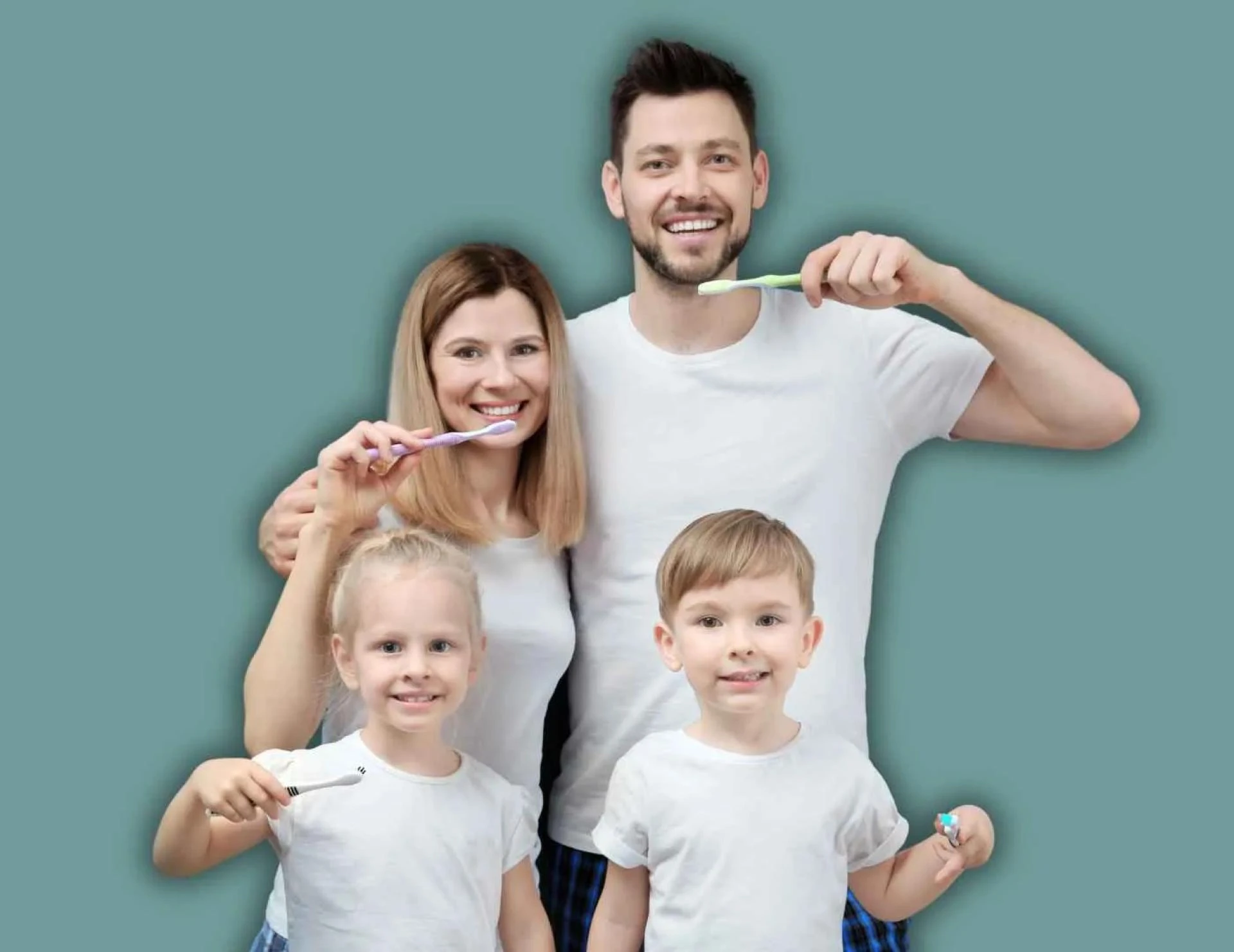

Brushing, Flossing, Snacks: The Most Common Home Dental Errors and How to Correct Them
Brushing Too Fast, Too Hard or at the Wrong Times
One of the most common family mistakes is “quick brushing” that misses the gumline, back molars and inside surfaces. Another is brushing too hard, which can irritate gums & wear enamel over time. Timing matters too-brushing right after acidic foods or drinks (like citrus or soda) can soften enamel as well as increase wear. How to avoid it: Brush for two full minutes, twice a day, using a soft-bristled brush & gentle circles at the gumline. After acidic snacks, rinse with water and wait 30 minutes before brushing.
Flossing Is “Optional” Until There’s a Problem
Many families treat flossing as a bonus step. The result is plaque building between teeth where a toothbrush can’t reach. This is where cavities & gum inflammation often start, especially in kids with tight contacts as well as adults with crowded teeth or dental work. How to avoid it: Make flossing a nightly habit. For kids, use floss picks (with supervision) or a water flosser if that’s more realistic. Start small-3-4 teeth at first-then build up until it’s the full mouth. From toddlers to seniors, we offer expert family dentistry in Victor Harbor-click here to schedule!
Kids Brush Alone Too Early (and Miss the Details)
Children often lack the hand control to clean thoroughly, even if they seem confident. Parents also commonly use the wrong amount of toothpaste: too much for little kids or skipping fluoride when it’s needed. How to avoid it: Supervise brushing until at least age 7–8. Use a smear of fluoride toothpaste for toddlers (when recommended by your dentist) & a pea-sized amount for older kids. Focus on the back teeth-those chewing grooves trap plaque fast.
Healthier Gums, Fewer Cavities and Less “Emergency Dentistry”
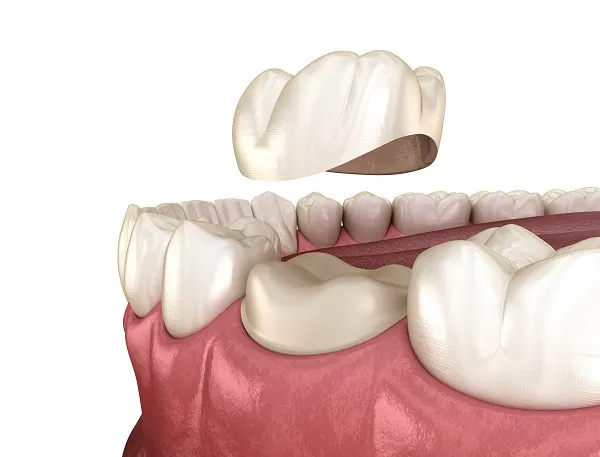
When families fix the basics, the payoff is obvious: fewer cavities, less bleeding during brushing & fewer surprise toothaches that ruin weekends. Kids keep their baby teeth healthier (which supports proper spacing), teens get fewer white-spot marks from plaque & adults reduce gum issues that can lead to bad breath as well as sensitivity. Healthy routine care also protects dental investments like braces, fillings, crowns as well as implants.
Better Habits Around Food, Drinks and Tools
Another big win is reducing “silent damage” from constant snacking & sugary drinks. Sipping juice, soda or sweet tea all day keeps teeth under acid attack. Using worn toothbrushes also lowers cleaning power. How to avoid it: Keep sweet drinks as meal-time only, push water between meals & aim for 2–3 snack windows, not all-day grazing. Replace toothbrushes (or brush heads) every 3 months as well as after illness.
A Simple Family System That Actually Sticks
Make dental care easy to follow as well as hard to skip. Set a morning & night routine with a timer, keep floss visible & give each family member their own labeled supplies. Schedule checkups every 6 months (or as advised) as well as don’t ignore bleeding gums-bleeding is a sign to improve cleaning, not stop. Add quick extras that help: clean tongues, rinse after snacks & use mouthguards for sports. Small changes done daily beat “perfect” care done once in a while.
Author Bio: -
Ansley has 12 years of experience in the dental world. You can find his thoughts at child dental blog.

























Sign in to leave a comment.