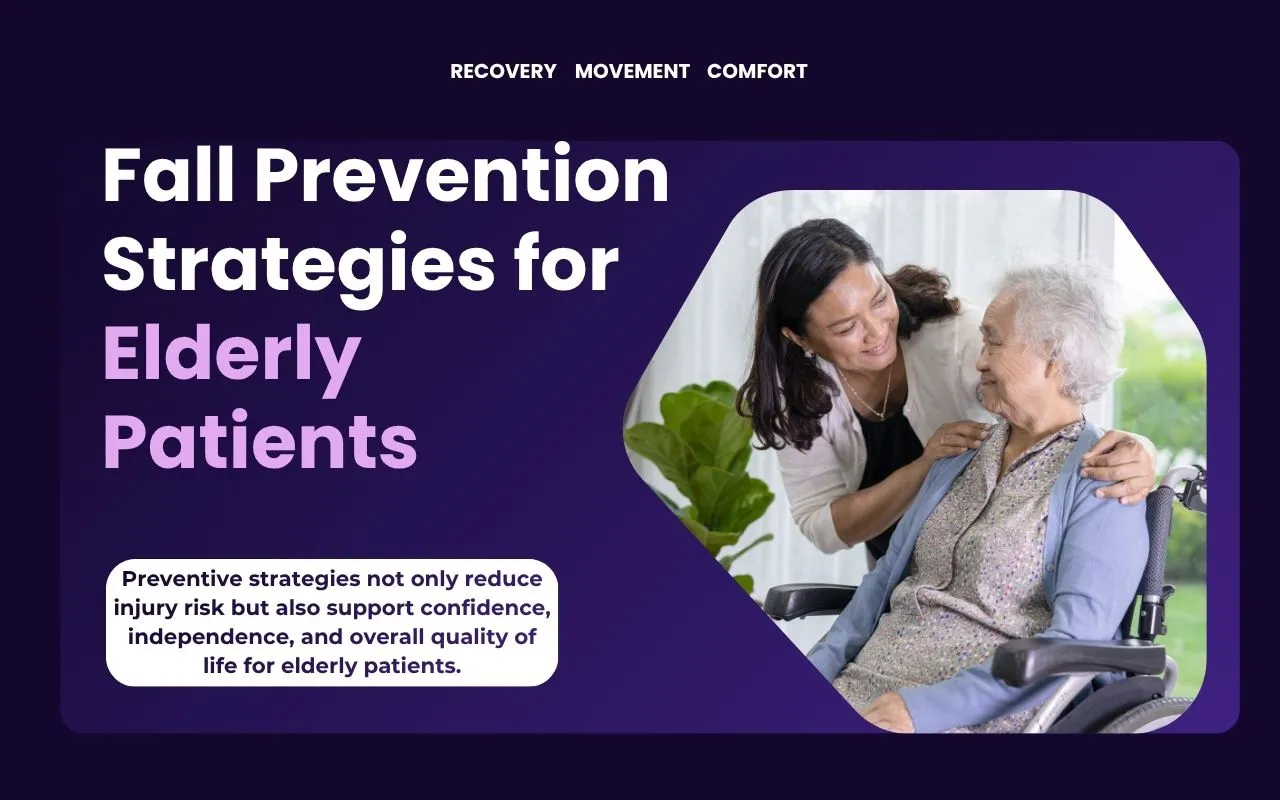

Falls are one of the leading causes of injury among older adults. Even a minor fall can result in fractures, mobility limitations, hospitalization, or long-term health complications. For many elderly patients, a fall can also reduce confidence and independence, making daily activities more difficult over time.
As people age, physical changes such as muscle weakness, reduced balance, joint problems, and slower reflexes can increase fall risk. Chronic health conditions, medication side effects, and unsafe home environments may further contribute to instability.
Preventing falls requires a combination of awareness, mobility support, environmental safety, and proper healthcare management. Early intervention can help elderly patients maintain safer movement and improve overall quality of life.
Understanding Why Falls Happen in Older Adults
Falls often occur due to multiple contributing factors rather than a single issue. Age-related changes in strength, coordination, and vision can affect balance and movement control during everyday activities.
Conditions such as arthritis, osteoporosis, diabetes, neurological disorders, and post-surgical weakness may also increase mobility challenges. Some medications can cause dizziness, fatigue, or blood pressure fluctuations that affect stability while walking or standing.
In many cases, elderly patients become less physically active after experiencing pain or fear of falling. Reduced movement can gradually weaken muscles and worsen balance problems, creating a higher risk of future falls.
Improving Home Safety to Reduce Fall Risk
Many falls happen inside the home, especially in areas with poor lighting, slippery surfaces, or cluttered walkways. Creating a safer home environment is one of the most effective ways to reduce injury risk among seniors.
Loose rugs, electrical cords, uneven flooring, and crowded spaces can increase the chance of tripping. Bathrooms are also considered high-risk areas because wet surfaces may cause slipping during bathing or movement.
Simple home modifications can significantly improve safety. Installing grab bars near toilets and showers, improving hallway lighting, and keeping frequently used items within easy reach may help reduce unnecessary movement hazards.
Stairways should have secure handrails, and walking paths should remain clear to support safer mobility throughout the home.
The Importance of Mobility Support Devices
Mobility support devices can help elderly patients maintain better balance and movement control during daily activities. Individuals recovering from surgery, joint injuries, or chronic mobility conditions often benefit from additional physical support.
Walkers, canes, and supportive orthopedic devices may improve stability while reducing strain on weakened joints and muscles. These devices can also help seniors feel more confident during movement, which encourages safer activity levels.
Proper device selection is important because incorrect sizing or poor support may increase discomfort or instability. Healthcare providers typically evaluate mobility limitations before recommending appropriate support equipment.
Strength and Balance Training
Physical activity plays a major role in fall prevention. As muscles weaken with age, maintaining strength and flexibility becomes increasingly important for stability and coordination.
Exercises that focus on balance, posture, and lower body strength can help improve mobility and reduce fall risk. Physical therapists often recommend targeted rehabilitation programs for seniors experiencing weakness or instability.
Regular movement may also improve joint flexibility, reaction time, and walking confidence. Even low-impact activities such as walking, stretching, or supervised balance exercises can contribute to safer mobility over time.
Managing Vision and Medication Risks
Vision problems are another major contributor to falls in older adults. Difficulty seeing obstacles, poor depth perception, or reduced night vision can affect walking safety both indoors and outdoors.
Routine eye examinations may help identify vision-related issues before they lead to accidents. Proper eyewear and adequate lighting are also important for reducing environmental hazards.
Medication management is equally important. Some prescription medications may cause dizziness, drowsiness, or balance problems. Healthcare providers should regularly review medications to identify side effects that could increase fall risk.
Patients should also avoid sudden movements when standing up, especially if medications affect blood pressure or circulation.
Post-Surgical Fall Prevention
Elderly patients recovering from surgery often face temporary weakness, reduced coordination, and limited mobility. Hip replacements, knee surgeries, fractures, and spinal procedures may all increase the risk of falls during rehabilitation.
Recovery plans should include supervised mobility support, safe walking assistance, and gradual activity progression. Patients may require temporary support devices during the healing process to improve balance and reduce physical strain.
Caregivers and family members also play an important role in monitoring safety during recovery at home.
Encouraging Confidence and Independence
Fear of falling can sometimes become as limiting as physical instability itself. Many seniors reduce activity levels after experiencing a fall because they no longer feel confident moving independently.
This fear may contribute to muscle weakness, social isolation, and declining physical health over time. Supportive rehabilitation strategies can help elderly patients regain confidence while improving movement safety.
Encouraging regular activity, safe mobility habits, and appropriate support systems can help seniors remain active and independent for longer periods.
Conclusion
Fall prevention is an essential part of elderly patient care and long-term mobility support. Physical weakness, chronic health conditions, environmental hazards, and balance problems can all increase injury risk among older adults.
By improving home safety, supporting mobility, encouraging strength training, and managing health-related risk factors, caregivers and healthcare providers can help reduce falls and improve patient safety.
Preventive strategies not only reduce injury risk but also support confidence, independence, and overall quality of life for elderly patients.



























Sign in to leave a comment.