

Choosing solar energy is an important decision for homeowners and businesses that want to manage electricity costs and make better use of renewable energy. However, selecting the right installer can be just as important as selecting the solar equipment itself. A rushed decision can lead to unexpected expenses, poor workmanship, delays, or an unsuitable system. Before signing an agreement, property owners should carefully evaluate every important detail. Working with a reliable solar panel company can make the installation process more organized, transparent, and suited to the property's actual energy requirements.
Failing to Research the Company
Checking Experience and Reputation
One of the most common mistakes is choosing an installer without researching its experience and reputation. A company may have an attractive offer, but that does not automatically indicate quality workmanship or dependable service. Property owners should review how long the company has operated, what types of projects it handles, and whether it has experience with properties similar to theirs. Customer feedback can also provide useful insight into communication, installation quality, scheduling, and follow up support. Careful research helps property owners narrow their options before making a financial commitment.
Looking Beyond Online Reviews
Online reviews can be helpful, but they should not be the only source used to evaluate an installer. A few positive or negative comments rarely provide enough information to judge an entire business. Property owners should look for consistent patterns across different sources and pay attention to comments about workmanship, communication, project completion, and service after installation. References from previous customers can provide additional perspective when they are available. A broader review process gives property owners a more realistic understanding of what they might expect during and after the solar project.
Choosing Based Only on the Lowest Price
Understanding the Full Cost
Selecting the lowest quotation may appear financially sensible, but the cheapest proposal is not always the best value. A lower price may reflect differences in equipment quality, installation methods, warranties, system design, or included services. Property owners should examine exactly what each quotation covers instead of comparing only the final number. Installation labor, electrical work, permits, monitoring equipment, maintenance provisions, and other project requirements can affect the total investment. A detailed comparison helps reveal whether a lower price represents genuine savings or simply leaves important project expenses outside the original quotation.
Comparing Similar Proposals
Solar proposals should be compared on an equal basis whenever possible. One installer may quote a larger system with different equipment, while another may offer a smaller system at a lower price. Comparing these proposals solely by total cost can create a misleading impression. Property owners should review expected energy production, equipment specifications, system capacity, warranties, installation services, and estimated project timelines. Understanding these differences makes it easier to determine which proposal provides appropriate value. A slightly higher initial investment may offer better long term performance when the system and services are properly matched to the property.
Ignoring the Importance of System Design
Considering Property Conditions
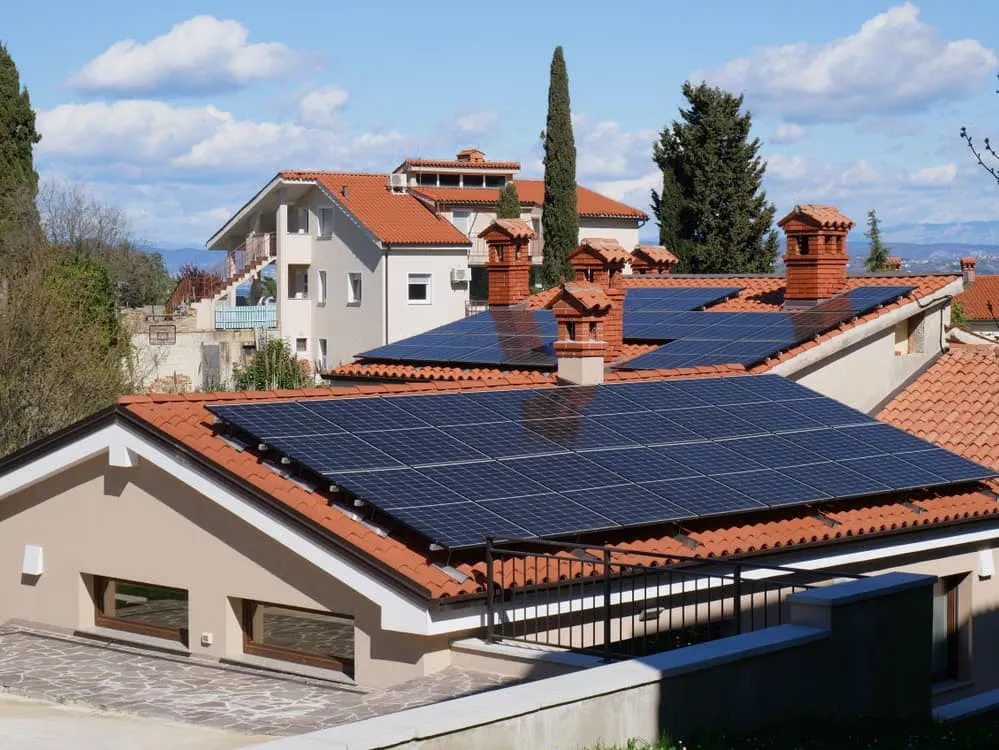
Every property has different characteristics that can affect solar performance. Roof direction, available space, shading, roof condition, electrical infrastructure, and local weather patterns should all be considered during the planning stage. A standard system design may not be appropriate for every location. A qualified installer should evaluate the property before recommending equipment or system capacity. Ignoring these factors can result in a system that does not perform as expected. Property owners should therefore look for a design process that considers the actual building rather than relying on a generic installation approach.
Matching System Size to Energy Needs
Another mistake is assuming that a larger solar system is automatically better. System size should be based on energy consumption, available installation space, expected production, budget, and the property's future needs. An oversized system may increase the initial investment without providing meaningful benefits, while an undersized system may leave the property relying heavily on grid electricity. Reviewing historical electricity usage can help establish a more realistic target. The installer should explain how the proposed system size relates to expected energy production so the property owner can make an informed decision.
Overlooking Equipment Quality
Evaluating Components Carefully
Solar panels are only one part of a complete solar energy system. Inverters, mounting equipment, electrical components, monitoring technology, and other system elements can influence performance and reliability. Property owners sometimes focus heavily on panel specifications while overlooking the rest of the installation. Each major component should be reviewed for suitability, expected service life, warranty coverage, and compatibility. Understanding the complete equipment package can help prevent problems later. A reputable installer should be willing to explain why particular components have been selected rather than presenting technical specifications without useful context.
Avoiding Unclear Product Information
Vague equipment descriptions should raise questions before an agreement is signed. Property owners should know the proposed panel type, inverter configuration, system capacity, and other important specifications. They should also understand whether the quoted equipment may be substituted during the project and under what circumstances. Clear documentation reduces uncertainty and makes it easier to compare proposals from different installers. If an installer cannot clearly explain the equipment being offered, property owners may want to pause the decision and request additional information before proceeding with the project.
Neglecting Warranties and Service Terms
Reviewing Warranty Coverage
Warranty terms can become extremely important after installation, yet they are often overlooked during the purchasing process. Solar systems typically involve different warranties for equipment and workmanship, and these terms may vary considerably. Property owners should determine what each warranty covers, how long coverage lasts, and what steps are required to request service. They should also ask whether labor is included when a covered component needs attention. Understanding warranty conditions before signing an agreement can prevent confusion and unexpected costs if an issue occurs several years after installation.
Considering Long Term Support
Solar panels are designed to operate for many years, so the relationship with the installer should not end when the system is switched on. Property owners should ask what support is available after installation and how service requests are handled. Monitoring assistance, troubleshooting, inspections, and warranty coordination may become valuable over time. An installer that clearly explains its post installation support gives customers greater confidence in the long term arrangement. Considering future service needs from the beginning can help property owners avoid difficulties if technical questions or equipment concerns arise later.
Failing to Understand the Contract
Reading Every Agreement Detail
Another serious mistake is signing a contract without carefully reading its terms. The agreement should clearly explain the project scope, equipment, total cost, payment schedule, expected timeline, warranties, responsibilities, and conditions for changes or cancellation. Property owners should never assume that a verbal promise will automatically appear in the final agreement. Any important commitment should be documented before signing. Taking time to review the contract can help identify unclear responsibilities and prevent disagreements. If any section is difficult to understand, the property owner should request a clear explanation before accepting the terms.
Asking About Additional Costs
Unexpected charges can create frustration when project costs were not clearly explained at the beginning. Property owners should ask whether additional expenses could arise from electrical upgrades, structural work, permitting requirements, roof repairs, equipment changes, or other site conditions. A detailed proposal should identify known costs and explain how unexpected work will be handled. Asking these questions early allows the property owner to prepare an appropriate budget. Clear communication about potential additional expenses can also make the overall installation process more predictable and reduce the likelihood of unpleasant financial surprises.
Ignoring Permits and Local Requirements
Understanding the Installation Process
Solar installations often involve permits, inspections, utility requirements, and other administrative steps. Property owners should understand which responsibilities belong to the installer and which may require action from the property owner. An experienced installer should be familiar with the applicable requirements and explain the general process in understandable terms. Failing to discuss these details can cause delays or confusion during a project. Property owners should ask how permits and inspections will be managed and whether these services are included in the proposal. Clear expectations can make the installation process easier to follow.
Choosing a Company Without Asking Questions
Encouraging Open Communication
A property owner should feel comfortable asking questions before making a decision. Questions about system performance, equipment, installation methods, warranties, project timing, maintenance, and expected energy production can reveal how well an installer communicates. Avoiding questions simply because the process seems technical can leave important information unclear. A dependable installer should welcome reasonable questions and provide straightforward answers. If communication feels rushed, incomplete, or overly complicated, that may be a reason to reconsider the choice. Good communication is an important part of a successful solar project.
Making a Decision Too Quickly
Comparing Multiple Options
Accepting the first proposal without comparison can limit a property owner's ability to identify better options. Obtaining several detailed quotations allows property owners to compare system designs, equipment, warranties, installation practices, project timelines, and total costs. The goal should not be to collect the largest number of proposals, but to compare a few qualified installers carefully. This process can reveal meaningful differences that may not be obvious during an initial consultation. Taking additional time before signing can lead to a decision based on quality, value, and suitability rather than pressure or convenience.
Conclusion
Hiring a solar installer requires more than comparing prices or selecting the first available option. Property owners should research experience, examine system designs, compare equipment, review warranties, understand contracts, ask about additional costs, and consider long term support. Careful evaluation can reduce avoidable problems and help ensure that the selected system fits the property's energy needs and financial goals. By taking a thoughtful approach and avoiding common hiring mistakes, property owners can move toward a more confident investment in solar energy. Trifecta Solar can be considered by property owners seeking professional guidance for their solar installation needs.
























Sign in to leave a comment.