

When a threaded hole gets damaged, a Helicoil insert can be a practical way to restore the thread without replacing the entire component. But installing a Helicoil is not simply a matter of drilling a hole and putting an insert into it. The quality of the finished thread depends heavily on using the right Helicoil threading tap and using it correctly.
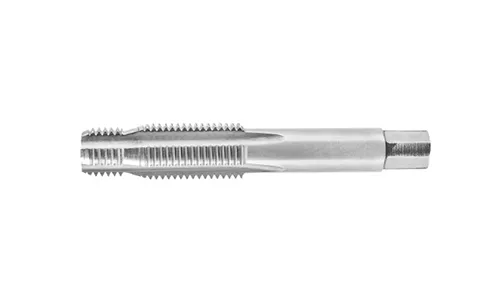
Helicoil threading taps are STI (Screw Thread Insert) taps designed to create the internal thread required for installing wire thread inserts. Even a good-quality tap can give poor results if the wrong size is selected, the hole is not prepared properly, or the tap is used incorrectly. . Even a good-quality tap can give poor results if the wrong size is selected, the hole is not prepared properly, or the tap is used incorrectly.
At DIC Tools, we understand that reliable thread installation starts with using the right cutting tool. As a manufacturer and exporter of industrial cutting tools, DIC Tools offers threading solutions designed for different machining and thread-insert applications. Choosing the appropriate Helicoil threading tap can help users achieve consistent thread quality and avoid common tapping problems.
Here are some of the most common mistakes to avoid when working with Helicoil threading taps.
1. Using a Standard Tap Instead of an STI Tap
One of the most common mistakes is assuming that any tap with the same nominal thread size will work for a Helicoil installation.
A Helicoil insert requires a specific STI thread. A standard tap is designed for producing a conventional internal thread and does not create the correct thread profile and dimensions required for the insert.
Before starting the job, always check whether the application requires an STI or Helicoil tap. Using the correct Helicoil threading tap ensures that the insert has the proper fit and can carry the load effectively.
2. Choosing the Wrong Tap Size
Thread inserts are available in different thread sizes, pitches and lengths. Selecting a tap based only on the bolt size can lead to problems.
For example, a metric M8 insert and an M8 standard tapped hole do not necessarily use the same tapping requirements. The insert specification should always be checked before selecting the tap.
It is important to match:
- Thread diameter
- Thread pitch
- Insert specification
- Tap size
- Required insert length
Taking a few minutes to verify these details can prevent an entire installation from having to be redone.
3. Using the Wrong Pre-Tap Drill Size
Before tapping, the hole must be drilled to the recommended diameter for the selected STI tap. Using the wrong drill size can result in an improperly formed thread and may affect the fit of the insert.
The hole should also be clean and free from chips before tapping. If the hole is too small, tapping can require excessive force and increase the risk of tap damage. If it is too large, the finished thread may not provide the required engagement for the insert.
4. Applying Too Much Force While Tapping
Another common mistake is trying to force the tap when it starts becoming difficult to turn.
A threading tap is designed to cut gradually. Excessive force can damage the cutting edges, distort the thread or even cause the tap to break inside the workpiece. This is especially frustrating when working with hard materials or components that are difficult to replace.
Use a suitable tapping lubricant and maintain steady pressure.When hand tapping, follow the recommended tapping technique and back the tap off as needed to help clear chips. Never force the tap when resistance increases.
5. Ignoring Material Differences
The same tapping method does not always work equally well for every material.
Aluminium, mild steel, stainless steel and other engineering materials have different cutting characteristics. Some materials produce long chips, while others require more attention to lubrication and cutting speed.
The tap should be selected according to the insert's thread specification, while the cutting speed, lubrication and tapping technique should be adjusted according to the workpiece material.
6. Failing to Keep the Tap Straight
Keeping the tap aligned with the original hole is essential. If the tap enters at an angle, the resulting STI thread can also be misaligned.
This can cause problems when the bolt is installed through the insert. In more demanding applications, even a small alignment error can affect assembly and load distribution.
Whenever possible, use a suitable tapping guide, machine setup or fixture to maintain proper alignment.
7. Not Removing Chips During the Process
During tapping, chips must be cleared properly to prevent them from building up in the tap flutes. . If they build up inside the flutes, the tap can become difficult to turn and cutting efficiency can drop.
Forcing a tap through accumulated chips increases the risk of damaging both the tool and the workpiece.
Cleaning the hole and removing chips during the operation helps keep the cutting process smooth. The exact tapping technique will depend on the material and tap design.
8. Using a Worn or Damaged Tap
A tap may look usable even when its cutting edges have already become dull.
A worn Helicoil threading tap can produce poor-quality threads, require excessive cutting force and increase the chance of an inaccurate insert fit. Damaged flutes or chipped cutting edges can make the situation even worse.
Before starting an important job, inspect the tap for visible damage and excessive wear. For production work, replacing worn taps at the appropriate interval is usually more economical than dealing with rejected or poorly threaded components.
9. Skipping Thread Inspection
Installing the insert immediately after tapping without checking the newly formed thread can create unnecessary problems.
After tapping, inspect the hole for proper thread formation, cleanliness and any visible damage before installing the insert. Where required, use the appropriate gauge to verify the thread.
A simple inspection step can identify problems before the insert and bolt are installed.
10. Using the Wrong Lubrication or Ignoring Lubrication
Lubrication is often overlooked, especially during small repair jobs. However, proper lubrication can make a noticeable difference in cutting performance.
The correct cutting fluid or tapping lubricant helps reduce friction and heat while improving chip removal. The appropriate lubricant depends on the workpiece material and the manufacturer's recommendations.
Using the right lubrication method can also help extend tool life and produce a cleaner thread.
Tapping Beyond the Required Depth
When working with a blind hole, avoid driving the tap beyond the required thread depth. Allow sufficient clearance at the bottom of the hole and follow the recommended tapping depth for the insert. Forcing the tap too deep can damage the tap or the workpiece
Final Thoughts
A successful wire thread insert installation starts with the right preparation and tapping technique. Using the correct STI tap, selecting the proper drill size, maintaining alignment, clearing chips and inspecting the finished thread can prevent many common installation problems.
For manufacturers and maintenance professionals, following these basic practices helps protect the workpiece, extend tap life and create a reliable threaded connection.





















Sign in to leave a comment.