


A damaged threaded hole can create a surprisingly big problem in a machine or component. A bolt may no longer tighten properly, the thread may become loose after repeated use, or the original thread can be damaged during assembly or maintenance. In many such cases, replacing the complete part is unnecessary. A threaded insert can be used to restore the connection.
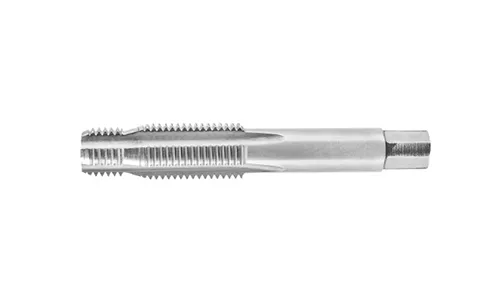
One of the important tools used for this type of repair is a Helicoil Threading Tap. It prepares the hole for a Helicoil insert by cutting the internal thread in which the insert will be fitted. The tap is commonly known as an STI tap because it produces the special thread required for the insert.
But how does this process actually work? The answer becomes clearer when the repair is looked at from the beginning rather than just focusing on the tap itself.
Why Is a Helicoil Insert Needed?
Think of a component with a threaded hole that has been used many times. After repeated tightening and removal of a bolt, the original thread can wear out. Excessive tightening or incorrect assembly can cause similar damage.
Simply putting a standard tap through the damaged hole may not solve the problem. A Helicoil insert needs its own receiving thread, so the damaged hole first has to be enlarged and prepared to the required dimensions.
The insert is then fitted into this newly prepared thread. Once it is installed, the inside of the insert provides the thread needed for the original fastener.
This makes the preparation of the hole an important part of the repair.
Where Does the Helicoil Threading Tap Come In?
After the damaged hole has been prepared to the required diameter, the Helicoil Threading Tap is used.
Its job is different from that of an ordinary tap used to produce a standard bolt thread. The STI tap creates the receiving thread for the Helicoil insert. The insert sits in this thread and, after installation, provides the required internal thread for the fastener.
For example, if a damaged threaded hole needs to be repaired with a particular metric Helicoil insert, the tap has to match the required insert specification. Using an unrelated thread size would not provide the correct fit.
This is why the insert specification and tap specification are normally considered together before machining begins.
How the Internal Thread Is Prepared
The actual repair procedure can vary with the component, material and insert specification, but the basic sequence is fairly straightforward.
Inspect the Damaged Hole
Before any machining is done, the existing hole should be examined. The size of the original thread, the extent of the damage and the required replacement thread all need to be considered.
This is also the stage where the appropriate Helicoil insert is selected. Its thread size determines much of the subsequent hole preparation.
Rework the Hole
The damaged thread is then removed by preparing the hole to the recommended diameter for the selected insert.
The purpose is not simply to make the hole bigger. It needs to be brought to the correct size so that the STI tap can create the receiving thread with the required dimensions.
The material of the component also matters here. Aluminium, steel and other engineering materials can behave differently during drilling and tapping, so the machining approach should suit the workpiece.
Cut the STI Thread
Once the hole is ready, the Helicoil Threading Tap enters the process.
The tap is guided through the prepared hole and cuts the thread that will hold the insert. Keeping the tap properly aligned is important. If the tapping operation is not carried out correctly, the resulting thread may affect the position or fit of the insert.
The tapping method also depends on the application. Hand tapping may be suitable for some repair work, while machine tapping can be preferred in production environments where repeatability is important.
Remove Chips and Check the Hole
After tapping, the hole should be cleaned properly. Small chips left inside the hole can interfere with insert installation.
It is also worth checking the newly formed thread before moving on. At this point, any machining issue can be addressed before the insert is installed.
Fit the Helicoil Insert
The Helicoil insert is then installed with the appropriate installation tool.
The insert is driven into the prepared receiving thread until it reaches the required position. Once installed, the inside of the insert forms the new thread for the bolt or other fastener.
The final result is a repaired threaded connection without having to replace the complete component.
Inspect the Finished Thread
A final check confirms that the insert is seated correctly and that the intended fastener enters and engages with the repaired thread as required.
For production or maintenance work, the inspection method can depend on the specifications of the component and the application.
HSS Helicoil Threading Taps and Their Applications
Many Helicoil taps are manufactured from High Speed Steel (HSS). HSS is widely used for cutting and threading tools because it can be used with a range of engineering materials and machining conditions.
HSS Helicoil Threading Taps are used in workshops, manufacturing facilities, maintenance operations and component repair work. They can be required wherever a damaged internal thread needs to be prepared for a threaded insert.
The thread standard is another important consideration. Depending on the requirement, taps can be supplied for specifications such as Metric, UNC, UNF, BSP and BSW.
There can also be a difference between hand taps and machine taps. A repair technician working directly on a component may require a hand-operated solution, while a manufacturer working with repeated production operations may use machine tapping equipment.
The right choice therefore depends on more than just the diameter of the bolt. Thread standard, insert specification, workpiece material and the machining method all need to be considered.
A Simple Example of Internal Thread Repair
Consider an aluminium component where the original internal thread has become worn after repeated bolt removal and installation.
Replacing the whole component could mean additional machining, downtime and material cost. Instead, the damaged hole can be prepared for a suitable Helicoil insert.
After the hole is brought to the required diameter, an STI tap cuts the receiving thread. The hole is then cleaned and the insert is installed. The fastener can subsequently engage with the internal thread provided by the insert.
The example is simple, but it shows why the tap is not an optional part of the process. The insert needs a properly prepared receiving thread to sit correctly.
Choosing the Right Helicoil Threading Tap
Selecting a tap should start with the insert specification rather than the damaged bolt alone.
Important points include:
- Thread standard and size
- Insert specification
- Workpiece material
- Hand or machine tapping
- Required hole dimensions
- Production or repair environment
For industrial applications, dimensional requirements can also vary from one component to another. Where a standard tap does not meet a particular requirement, a manufacturer may need a customized tooling solution.
DIC Tools for Helicoil Threading Applications
DIC Tools is an Indian manufacturer and supplier of cutting tools, including HSS Helicoil Threading Taps for industrial applications.
The company supplies threading tools for different requirements, including Metric, UNC, UNF, BSP and BSW thread specifications. Hand taps and machine taps are also available according to the intended application.
DIC Tools works with industrial customers in India as well as international markets, including the USA, Germany, UK, UAE, Saudi Arabia, Turkey and Italy.
For applications where standard tooling is not suitable, DIC Tools also supports OEM and custom manufacturing requirements. This allows tooling to be developed around specific dimensions or application needs.
Final Thoughts
Internal thread repair is not simply a matter of putting a new insert into an old hole. The hole has to be prepared properly, and the receiving thread must match the insert being used.
That is the main job of a Helicoil Threading Tap. It creates the internal thread in which the Helicoil insert is installed, forming the foundation for the repaired threaded connection.
From selecting the insert and preparing the hole to tapping, cleaning, installing and inspecting the finished thread, each stage has a purpose. Using the appropriate tap for the required thread specification helps make the repair process more controlled and suitable for the application.
DIC Tools supplies HSS Helicoil Threading Taps for industrial thread repair requirements and also works on OEM and custom tooling requirements for customers in India and international markets.



















Sign in to leave a comment.