

Every commercial building has one basic security question to answer: who is allowed to be where, and when? For decades, the answer was a ring of metal keys. Keys get lost, copied, shared and forgotten in drawers, and when something goes wrong, nobody can say who opened which door.
Modern access control systems solve this problem. They replace uncertainty with clear rules, instant control and a complete record of activity. This guide explains how access control works, how it improves commercial building security, and what to consider before installing it.
What Is an Access Control System?
An access control system is a combination of hardware, software and policies that decides who can enter a building, room or area. When a person presents a credential, such as a key card, PIN code, fingerprint or smartphone, the system checks whether that person is authorised for that door at that time. If yes, the door unlocks. If not, it stays locked and the attempt can be recorded.
Most systems include credentials, readers at the door, electric locks, a controller that makes decisions and management software where administrators set permissions and review activity. The result is a smarter, more flexible and far more secure alternative to traditional keys.
Keeps Unauthorised People Out
The most obvious benefit is the simplest: only approved people get in. Access control limits entry to the main building, individual floors, offices, storage rooms and sensitive areas such as server rooms or cash rooms. A visitor who walks in through the lobby cannot wander into restricted spaces, and a former contractor cannot return after hours using an old key.
This layered approach reduces the risk of theft, vandalism, data loss and workplace incidents, because intruders face a locked door at every step instead of just one at the front.
Gives You Full Control Over Who Goes Where and When
Not every employee needs access to every area. Access control lets you set rules by person, role, department and time. Office staff may enter only during business hours, cleaners may access common areas in the evening, and managers may have extended permissions for specific rooms.
You can also create temporary access for visitors, delivery partners and contractors that expires automatically. This level of precision is almost impossible with mechanical keys and greatly reduces the risk of misuse.
Removes the Risk of Lost, Copied and Unreturned Keys
When a metal key is lost, the only real fix is rekeying the locks, which is slow and expensive. With access control, a lost card or phone can be disabled in seconds from the management software, and a new one issued immediately. The same applies when an employee leaves the company: their access can be cancelled instantly, with no need to chase keys or change locks.
This single change often saves a surprising amount of time and money, while closing one of the most common security gaps in commercial buildings.
Creates a Detailed Audit Trail
Every time a credential is used, the system records who, where and when. These audit trails help you investigate incidents, confirm who was in the building, identify unusual patterns and support insurance claims or legal requirements.
If a door is forced open, propped open or accessed at odd hours, the logs show it. Regular review of access reports can also reveal issues before they become serious, such as an employee repeatedly attempting to enter a restricted area.
Works Together With Cameras, Alarms and Business Security Systems
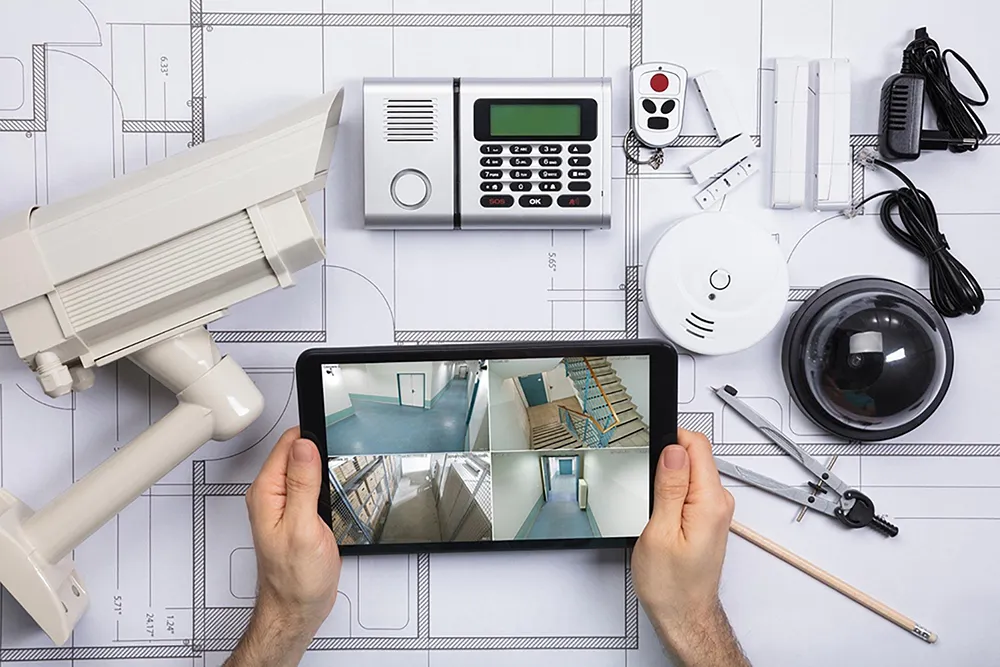
Access control becomes even more powerful when it is part of wider business security systems. When it is connected to video surveillance, a denied entry attempt can automatically trigger the nearest camera to record, and security staff can instantly view the footage. When connected to alarms, a door held open too long or forced entry can set off alerts and notify a monitoring team.

Integration also supports visitor management, intercoms and elevator controls, so everything is managed from one platform instead of several disconnected tools. This saves time, reduces blind spots and gives you a much clearer picture of what is happening across your property.
Offers Remote and Cloud-Based Management
Cloud-based and IP-based systems let administrators manage access from anywhere. You can add or remove users, unlock a door for a delivery, change schedules and review logs from a computer or phone. This is especially valuable for businesses with multiple locations, property managers overseeing several buildings and companies with hybrid or flexible work schedules.
Remote management also means security teams can respond to problems faster, without needing to be physically on site.
Strengthens Emergency Response and Lockdown Capabilities
In an emergency, speed matters. Access control systems can support lockdown procedures that secure doors with one command, while also ensuring that doors release properly during a fire or evacuation as required by code. Alerts can notify staff, and logs can later show who was in each area.
Planning these scenarios in advance, and testing them, ensures your team knows exactly what to do when it counts.
Helps Prevent Tailgating and Credential Sharing
Even the best system can be weakened by human behaviour. Tailgating happens when someone follows an authorised person through a door without using a credential. Sharing cards or PIN codes creates similar problems. Modern solutions reduce these risks with anti-passback rules, door-held-open alarms, turnstiles or mantraps in high-security areas, and biometric or mobile credentials that are harder to share.
Combined with staff training and clear policies, these features make it much harder for unauthorised people to slip through.
Choose the Right Type of Credential
Different credentials suit different needs. Key cards and fobs are affordable and familiar. PIN codes are convenient for low-risk areas, though they can be shared. Biometric readers using fingerprints or facial recognition offer a higher level of assurance for sensitive spaces. Mobile credentials let employees use their smartphones, which they are less likely to lose and easier to manage remotely.
Many businesses combine methods, for example requiring a card plus a PIN, or a card plus biometrics, for restricted areas. Match the credential to the risk, rather than using the same method everywhere.
Supports Compliance and Insurance Requirements
Many industries must show that they control access to sensitive areas, protect personal information or safeguard valuable assets. Access control logs and policies provide evidence of that control. Some insurers also look favourably on buildings with monitored security and access systems, so it is worth asking your provider whether you may qualify for improved terms.
Improves Operational Efficiency
Beyond security, access control saves time and effort. Administrators no longer manage key logs or rekey locks, onboarding and offboarding are faster, and reports show how spaces are used. Some systems provide occupancy data that helps managers plan staffing, cleaning and energy use.
Plan Your Installation Carefully
Before installing, assess your building and identify which doors, floors and rooms need protection. Decide how many users you have, which credentials suit them and how the system will connect to your network, cameras and alarms. Consider whether you want an on-site, cloud-based or hybrid setup, and choose a platform that can scale as your business grows.
If you already have an older system, retrofitting may be a cost-effective way to upgrade without replacing everything. Include costs for installation, software, maintenance and support in your budget, not just the hardware price.
Don’t Forget Cybersecurity and Maintenance

Because access control systems run on networks, they should be protected like any other connected device. Change default passwords, restrict administrator access, use strong authentication, keep firmware and software updated and keep controllers in secure locations. Test readers, locks and backup power regularly, and review user permissions every few months to remove accounts that are no longer needed.
Work With an Experienced Security Partner
Designing an access control system that fits your building, staff and budget takes planning and technical expertise. A professional partner like Empire Security can assess your property, recommend the right credentials and door hardware, integrate access control with cameras and alarms, and provide installation and ongoing support so your system stays reliable and effective.
Final Thoughts
Access control systems do far more than replace keys. They keep unauthorised people out, give you precise control over who goes where, create a clear record of activity, support emergency response and connect with the rest of your security technology. For any commercial building that wants stronger protection and smoother operations, access control is one of the smartest investments you can make.



















Sign in to leave a comment.