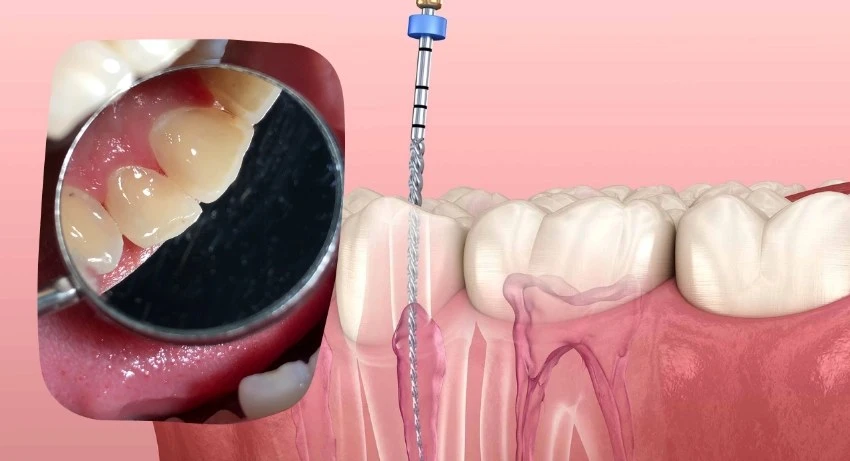

Introduction to Root Canal Treatment
Root Canal Treatment Dubai is a common dental procedure designed to save a tooth that is severely infected or decayed. Despite its benefits, there are numerous myths surrounding root canals that can create unnecessary fear and anxiety. In this article, we'll debunk some of the most common myths about root canal treatment, helping you make informed decisions about your dental health.
Myth 1: Root Canal Treatment Is Painful
Understanding the Reality
One of the most persistent myths is that root canal treatment is excruciatingly painful. This belief likely stems from past experiences or outdated practices. However, with modern technology and advanced anesthetics, root canal treatment is no more painful than getting a routine filling. The procedure is designed to relieve pain, not cause it, by removing the infected tissue that is causing discomfort.
How Modern Dentistry Has Evolved
Today, dentists use local anesthesia to numb the area around the affected tooth, ensuring that patients feel minimal to no pain during the procedure. Additionally, advancements in dental techniques have made the process quicker and more efficient, further reducing any potential discomfort.
Myth 2: It's Better to Extract the Tooth Than to Get a Root Canal
The Value of Saving Your Natural Tooth
Another common myth is that extracting the tooth is a better option than undergoing a root canal. While extraction may seem like a quicker fix, it can lead to long-term issues such as misalignment of surrounding teeth, bone loss, and the need for expensive replacements like implants or bridges.
Why Root Canal Treatment Is the Better Option
Root canal treatment allows you to preserve your natural tooth, which is always preferable when possible. Keeping your natural teeth helps maintain proper chewing function, aesthetics, and overall oral health. In the long run, a root canal can save you time, money, and potential complications associated with tooth loss.
Myth 3: Root Canal Treatment Causes Illness
The Origin of This Myth
This myth originated from outdated research conducted nearly a century ago, which suggested a link between root canal treatment and systemic illness. However, these studies have been thoroughly debunked by modern science, which has found no credible evidence to support the claim that root canals cause illness.
The Truth About Root Canal Safety
Root canal treatment is a safe and effective procedure performed by millions of dentists worldwide. It is designed to remove infection from within the tooth, thereby preventing the spread of bacteria to other parts of the body. Dentists follow strict sterilization protocols to ensure that the procedure does not introduce new bacteria or cause any harm to your health.
Myth 4: A Root Canal Is Only Necessary If You Have Severe Pain
Identifying the Need for a Root Canal
Many people believe that a root canal is only required if they are experiencing severe pain. While pain is a common symptom of needing a root canal, it's not the only one. Sometimes, a tooth may require treatment even if it isn't causing significant discomfort. Signs such as sensitivity to hot or cold, swelling, or discoloration of the tooth can also indicate the need for a root canal.
The Importance of Early Intervention
Waiting until you experience severe pain can lead to more complex and costly treatments. Early intervention with a root canal can save the tooth and prevent the infection from spreading, making it crucial to address any symptoms promptly.
Conclusion
Root canal treatment is often misunderstood due to persistent myths and misconceptions. However, the truth is that it is a safe, effective, and relatively painless procedure that can save your natural tooth and prevent further dental issues. By debunking these common myths, we hope to alleviate any fears you may have and encourage you to seek timely treatment if needed. Always consult with your dentist to determine the best course of action for your oral health.





























Sign in to leave a comment.