

The world online is changing fast, and so are the online scams. By the year 2026, the scammers will not be using obvious tricks or badly written messages. They are rather adopting advanced tactics of combining false appearances, fabricated business reviews, and contrived trust signals to defraud consumers.
These scam patterns are the most common patterns that you need to know to protect your assets. The following are the most prevalent online types of scams that consumers must be aware of in 2026.
False Companies Established on Reviews
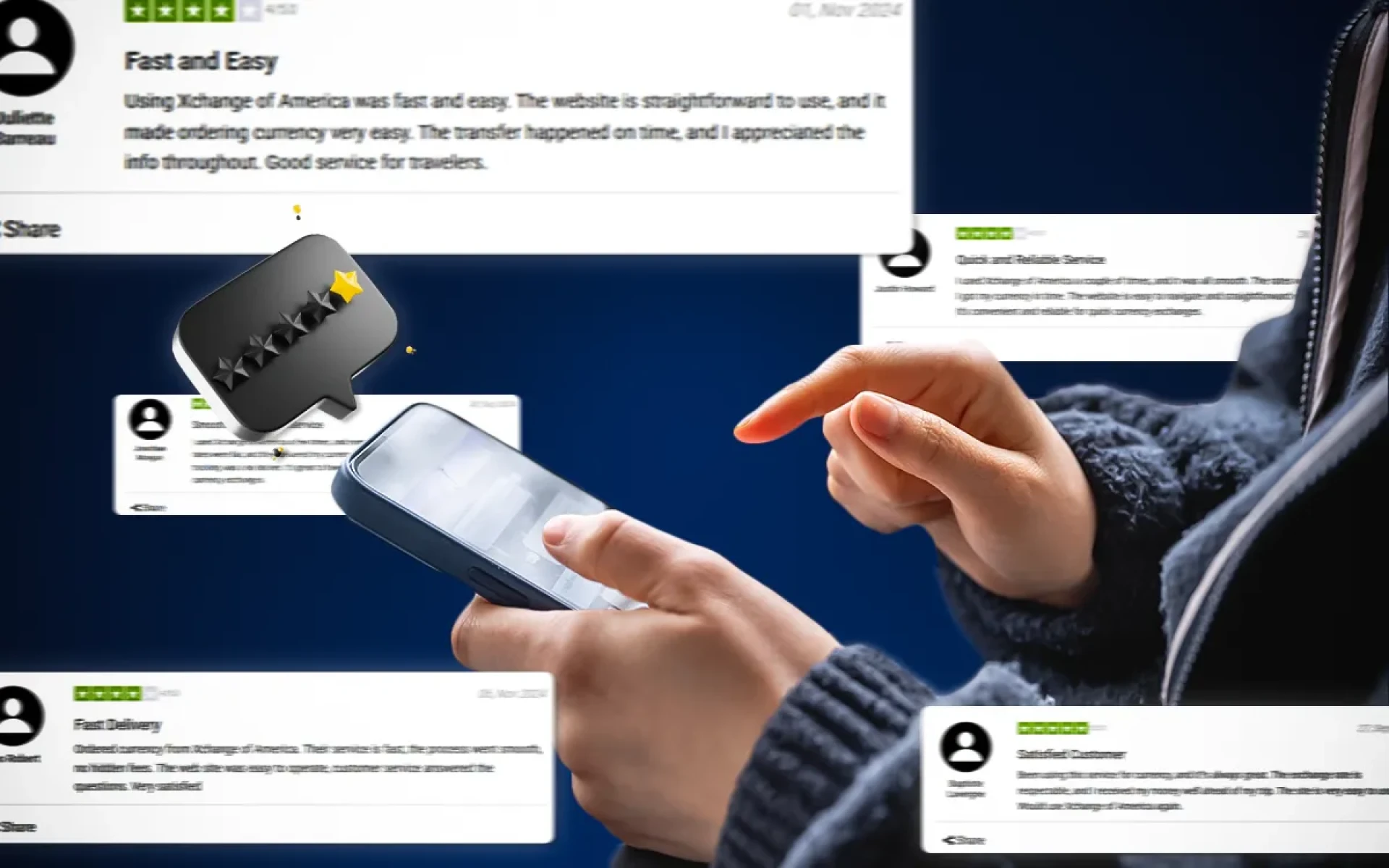
A scheme that will be the strongest in 2026 is the development of false or temporary companies that might seem real because of the well-designed websites and glowing feedback. Such scams usually start with hundreds of five-star ratings in a matter of days.
The scammers also control the review sites by posting false reviews. They show quick payment, good customer service, or assured profits. As a matter of fact, these enterprises could evaporate after the required number of victims have posted money or provided personal information.
Consumers must never be satisfied with the star rating. Spend time checking reviews, wordings, and also check whether actual user reviews contain positive and negative elements or not. Any scam risk rating should be verified on another site before being trusted. Always do not trust a rating that is posted on the website of the business.
Hijacking and Identity Recycling Review
Review hijacking is an emerging trend where fraudsters steal the outdated or dormant business accounts with good business reviews and rebrand them into companies that operate on fraud.
The reviews appear old and valid to a consumer, which gives the impression of trustworthiness. This trend is particularly common for crypto platforms, online investment services, online sellers, and recovery services.
Always ensure that the user reviews are in correspondence with the existing business name, domain, and services provided.
Artificial Intelligence-based Impersonation Scams
As the number of sophisticated AI products is very high in 2026, scammers are posing as customer support representatives, company officials, and even the authors of the reviews. They can also use certain scam reviews or publicly react to the reviews so as to look transparent and open.
The reputable companies do not often require a personal key, OTP, or advance payment to address a complaint. Always check communication with official channels that are on reliable business review websites.
‘Too Clean’ Review Profiles
Scammers are no longer writing exaggerated praise, but making real-looking user reviews that are neutral, professional, and detailed. These reviews may appear within a short time interval, with similar sentence structures.
One of the best ways of detecting manipulation is cross-checking reviews on various platforms.
Recovery and Refund Scams
Fraudsters offer to recover the money already lost by the victims through claims of guaranteed recovery services supported by positive scam reviews and forged success stories.
These businesses usually charge advance payments and have duplicated user ratings of different services that are not related. Communication ceases as soon as payment is made or new fees are charged.
Combination of Emotional Urgency and Social Proof
Fraudsters threaten their victims with the expiry of time, threat of account suspension, or special offers and refer to the positive reviews as evidence of the correctness.
This type of psychological mix diminishes logical decision making. Reading negative scam reviews, having a look at scam risk ratings and researching outside of the platform the scams are being promoted can save a lot of money due to misguided choices.
The Future of Consumers and Their Safety in 2026
In order to remain safe in 2026, consumers will have to adopt a more critical and research-based attitude to any online business or service before trusting it. Excessively positive feedback must always be viewed with skepticism because authentic reviews always contain both advantages and disadvantages. There is an added level of protection in checking the ratings of scams on reputable sites that can offer extra protection. Scams are always going to keep on changing, but, in this case, the most knowledgeable consumers will never be an easy target.


Sign in to leave a comment.