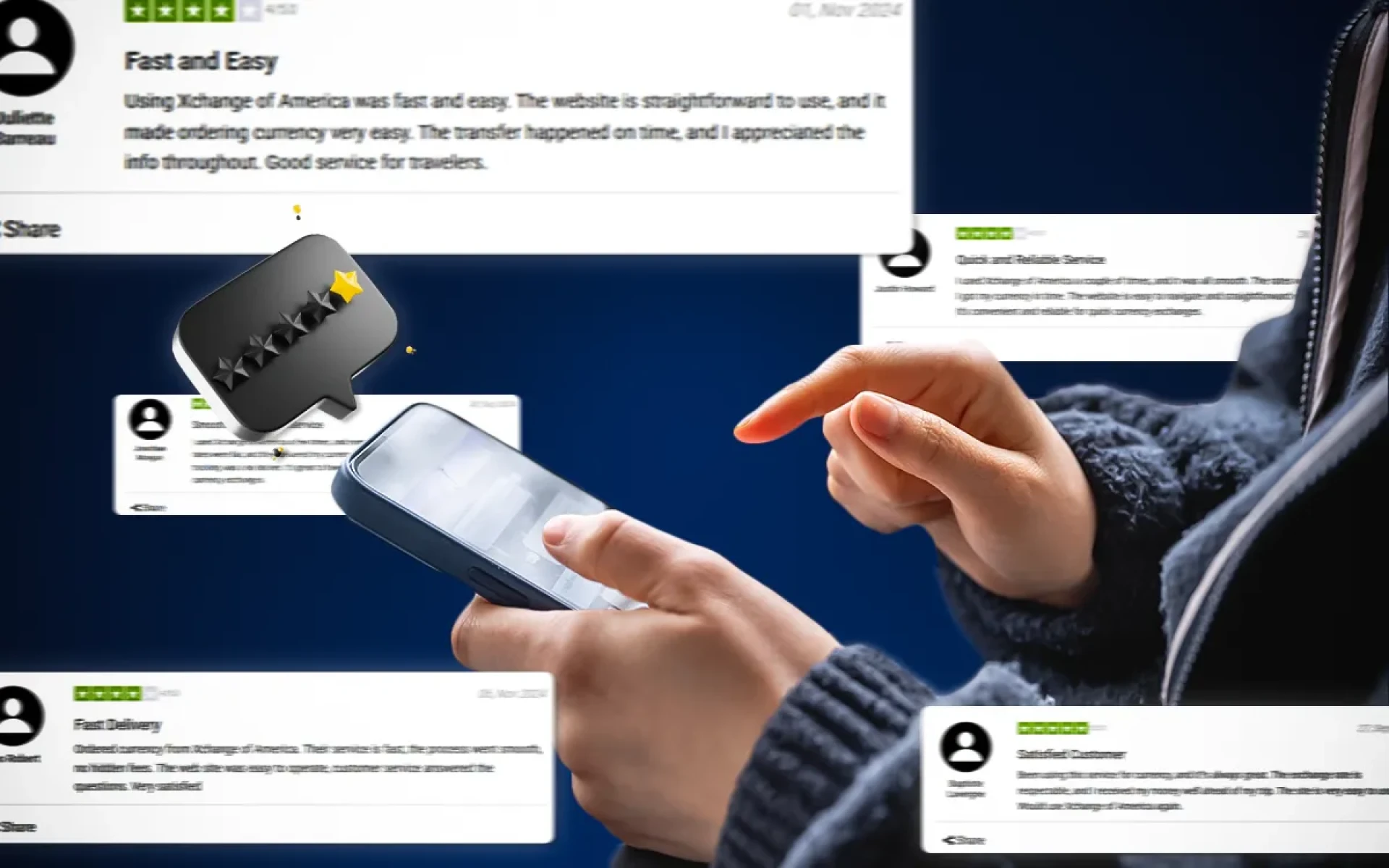

In 2025, the way consumers read and trust reviews is changing, and these shifts are telling. Business reviews, real user reviews, scam risk ratings, and user‑generated feedback are no longer just a marketing gimmick. They’ve become central to how people decide if a company is trustworthy.
The Power of Reviews Remains Strong
Online reviews still carry tremendous weight. According to reputation‑management research, 90% of consumers read online reviews before they visit a business.
Even more striking: 85% of consumers say they trust reviews as much as a personal recommendation. That means reviews are not just “nice to have”; they are foundational to consumer trust.
Concern Over Fake Reviews Is Growing
In 2025, 75% of consumers say they’re concerned about fake reviews, according to data compiled by Backlinko. This rising skepticism isn’t without reason; platforms are trying to deal with a growing volume of manipulated content.
For instance, Trustpilot, one of the biggest review platforms, removed 4.5 million fake reviews in 2024, or about 7–7.4% of all reviews submitted that year. What’s more, 90 % of those removed were detected automatically by machine learning, neural nets, and even generative AI systems.
That shows how seriously platforms are investing in detecting scammy or fabricated content to maintain trust.
Scam Risk Ratings Are Rising in Importance
Another clear trend is that platforms and services are increasingly assigning scam risk ratings to businesses. Consumers do not simply read or look at star ratings and written reviews but scan for bad signs, including warnings of possible fraud or fake reviews.
This does not constitute a nice-to-have feature. It is turning into an indicator of reliability. Scam risk is highlighted by reviewers, platforms, or third-party services, thus assisting users in making more informed decisions and avoiding risk.
Platforms Respond with Technology and Regulation
In order to meet the legitimacy demand, the review platforms are bending towards automation and more restrictive policies. An example is Trustpilot, which processes AI tools to identify fake reviews and blocks them before posting, and regulation is catching up. In the U.S., the FTC’s rule banning fake online reviews is now in effect.
This rule prohibits:
- Reviews attributed to non-existent people.
- Reviews generated by AI without a real purchase experience.
- Buying or selling reviews.
- Misrepresentation in testimonials.
Such regulations push platforms and businesses to be more accountable and make “scam reviews” riskier.
Consumer Behavior Is Adapting
- Several sources are important: According to a review-usage survey, 61 percent of consumers research at least two review sites before making a business decision.
- Professional response matters: When businesses respond to reviews, especially negative ones, it boosts confidence. Reputation‑management reports show that many consumers expect a reply (for example, 53% want a reply to negative reviews within a week).
- User engagement is getting more systematic: Brands that collect reviews actively and in a structured way (not just sporadically) are more likely to show up as trustworthy in the long run.
Why These Trends Mean Trust Is Evolving, Not Disappearing
This is why these trends are significant to state that trust is changing, and not vanishing. Putting all this together, we see a more developed reviews landscape in 2025:
- It is no longer a given that consumers trust: It is becoming harder to trust platforms, and platforms are responding by tightening controls.
- Scam risk ratings are now a trusted signal: Not just stars and text, but also risk warnings help consumers.
- Regulation is pushing platforms to clean up: With rules like the FTC’s in place, platforms can no longer ignore fake reviews.
- Technology is critical: Fake-review detection is no longer just rule-based; it relies heavily on AI and machine learning.
- Consumer expectations are rising: People now actively demand transparency and want to understand whether reviews are genuine or manipulated.
What Businesses Should Do
As a business or brand manager, these are some of the practical lessons that can be learned based on these trends in reviews:
- Be responsive: Respond promptly and considerately to negative reviews.
- Highlight recent, verified reviews: They build more trust than old or vague ones.
- Monitor your scam risk: Know if third‑party services rate your business; proactively address issues.
Conclusion
In 2025, business reviews and user feedback are as central to consumer trust as ever. But trust is now harder-earned. Fraudulent reviews and fake scams are also tangible, and people have become more suspicious. Organizations are countering by being more defensive, more restrictive, and technologically creative. The most reputable companies are the ones that are not only serious about the reviews that they get, but also guard them. In the case of businesses, it would be to create systems that are open to legitimate user reviews, react, and proactively protect against scam risk. For consumers, it means reading not just the stars, but the stories and trusting platforms that show they care about the truth.






















Sign in to leave a comment.