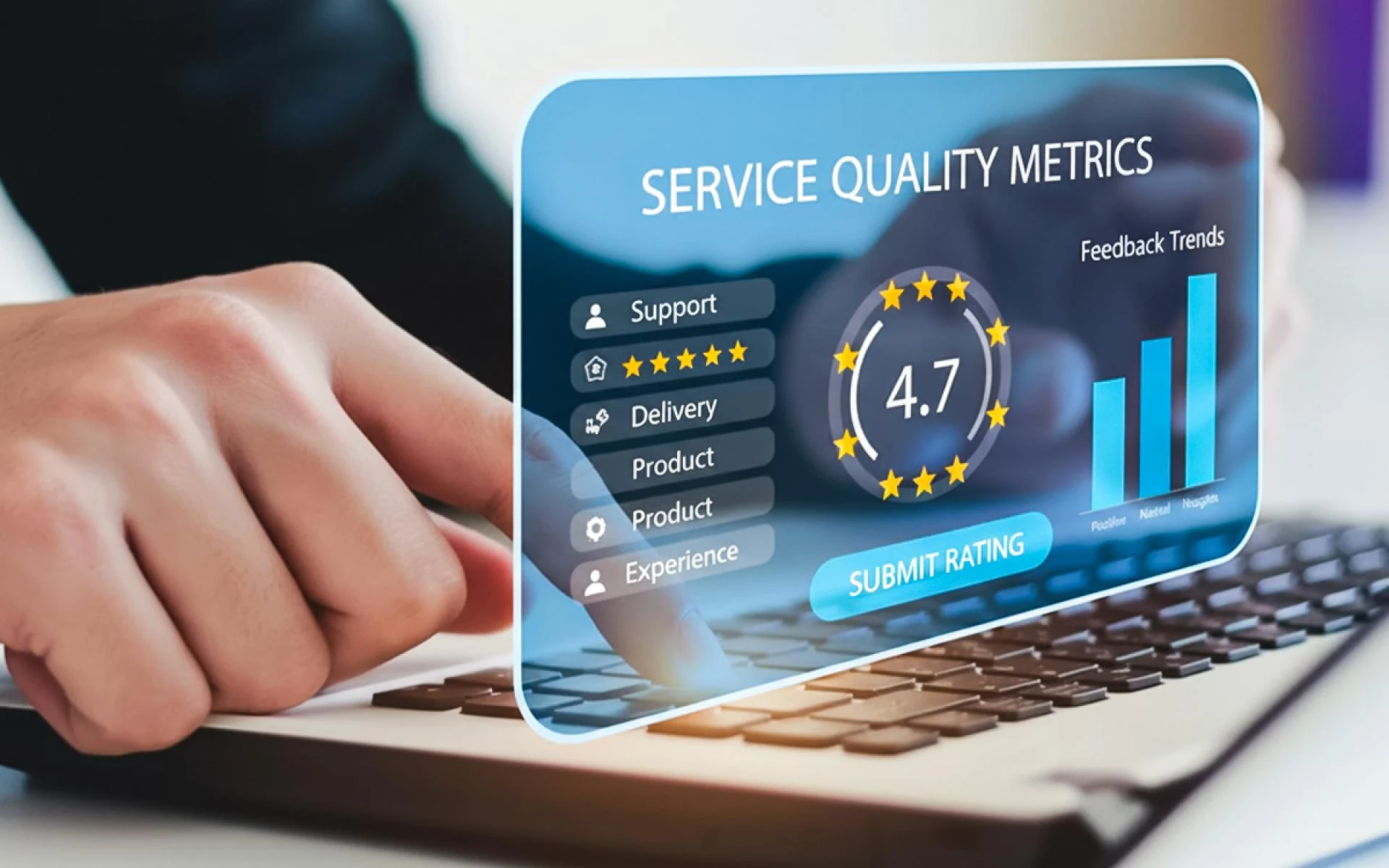

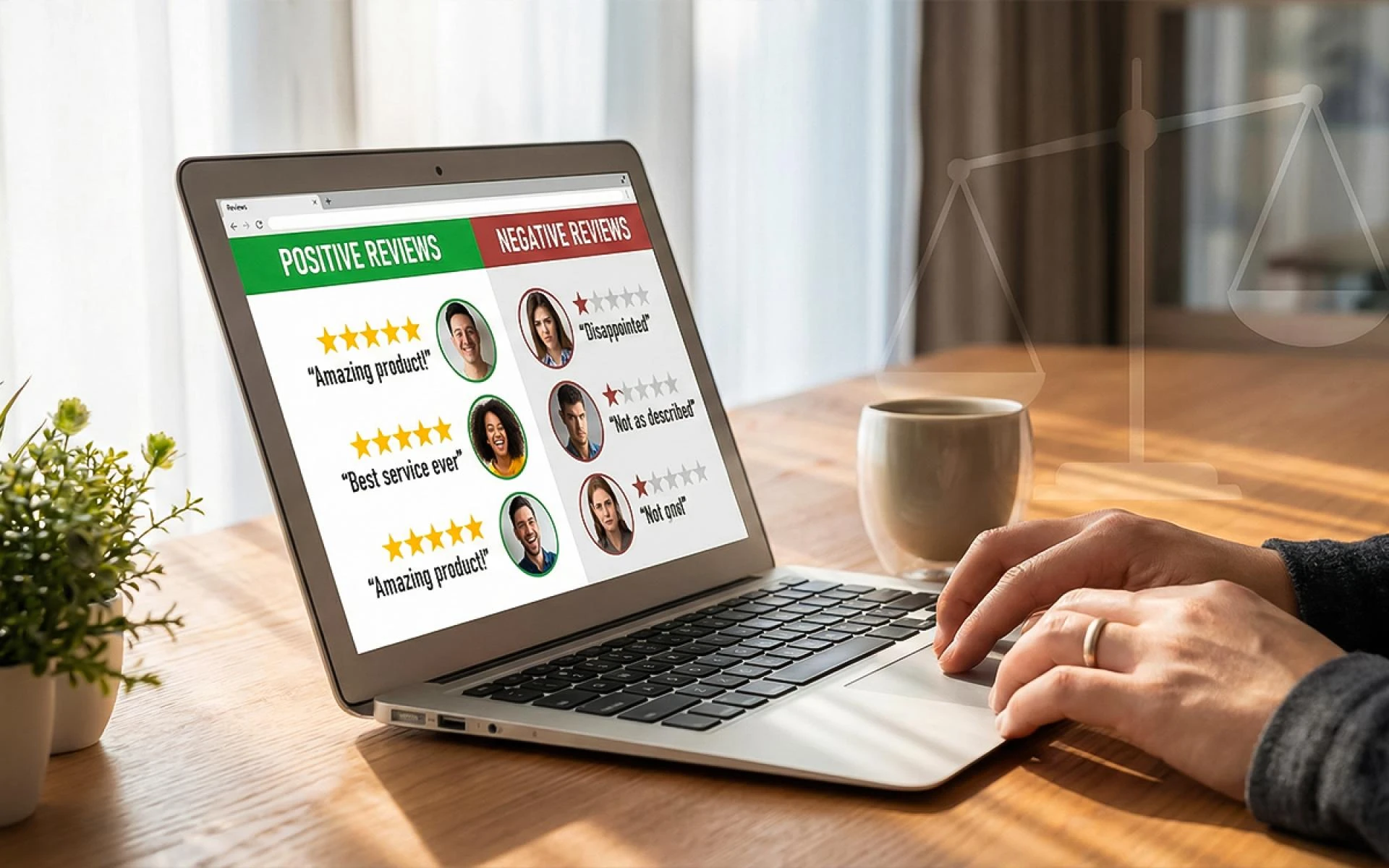
In 2025, when you’re choosing a service or buying from a business, you rarely rely only on what the company says. Instead, you look at business reviews and real user reviews. At the same time, as more people use reviews, there’s a rising problem of scam reviews and manipulated ratings, making scam risk ratings more important than ever. Whether you’re a consumer or running a business, understanding reviews and how to trust them matters a lot this year.
Why Reviews Matter So Much
Recent research has indicated that approximately 93% of consumers use online reviews before making a purchase. Moreover, nearly 53 percent of consumers say they trust online reviews as much as personal recommendations.
What this means: when you write or read a review, you’re part of a big deal. For a business, those reviews are no longer optional; they’re central to how people decide. For buyers, reviews and ratings are strong signals of a business's trustworthiness.
The Rise Of Scam Reviews And Why They Matter
With reviews so influential, scammers and dishonest actors have a clear incentive. Research shows that fake or manipulated reviews are a serious issue. One study found that 62% of consumers won’t buy from brands that pay for or fake reviews.
Another important insight: with the arrival of AI tools generating text, fake reviews are harder to spot. A study found that humans could identify whether reviews were genuine or AI‑generated only about 50% of the time, essentially by chance.
Because of this, Scam Risk Ratings (which flag businesses or reviews that may be manipulated) are becoming more common. They help consumers spot when reviews may not be reliable. Without that, you may trust a business based on reviews that were written just to mislead you.
How To Spot Good Reviews Vs Risky Ones
1. Consider the authors of the reviews and their number
When a company has hundreds of reviews, with different user names, dates, and comments, it is good compared to a few five-star reviews of five stars that are posted on the same day.
2. Check review recency and details
Recent reviews matter. According to one survey, 73% of consumers only trust reviews left in the last month. Reviews without any context (e.g., “Great!”) are less useful. Real users often mention what they liked, any issues, and how the business responded.
3. Watch for signs of manipulation or scam reviews
If reviews seem overly perfect, use similar wording, or there are many positive ones but no negative ones, that may be a red flag. Also, if you find contradictory information elsewhere (e.g., social media saying the business is dodgy), you should doubt the reviews. The fact that fake reviews are easier to produce with AI raises the bar for caution.
4. Check how the business responds to feedback
Companies that are active in reviews, respond to the complaints, rectify problems, and embrace any good/bad comments are highly committed. However, ignoring reviews or removing negative ones is a warning sign.
Why Scam Risk Ratings Now Matter For Both Sides
For consumers, scam risk ratings act as a filter. If you’re about to engage with a business and you see a high risk rating (for example, because many reviews are flagged, or there’s a pattern of review manipulation), you may choose to go elsewhere.
For businesses, embracing transparent reviews and working to reduce their scam risk builds their reputation. When a company has a lower risk rating, it becomes more trusted, which can boost user trust, higher conversion rates, and better long‑term relationships.
Real‑user Reviews Still Hold Power
Despite risks of manipulation, good user reviews from real people remain among the strongest signals of business quality. A 2025 survey found that people who see detailed reviews are more comfortable making purchases.
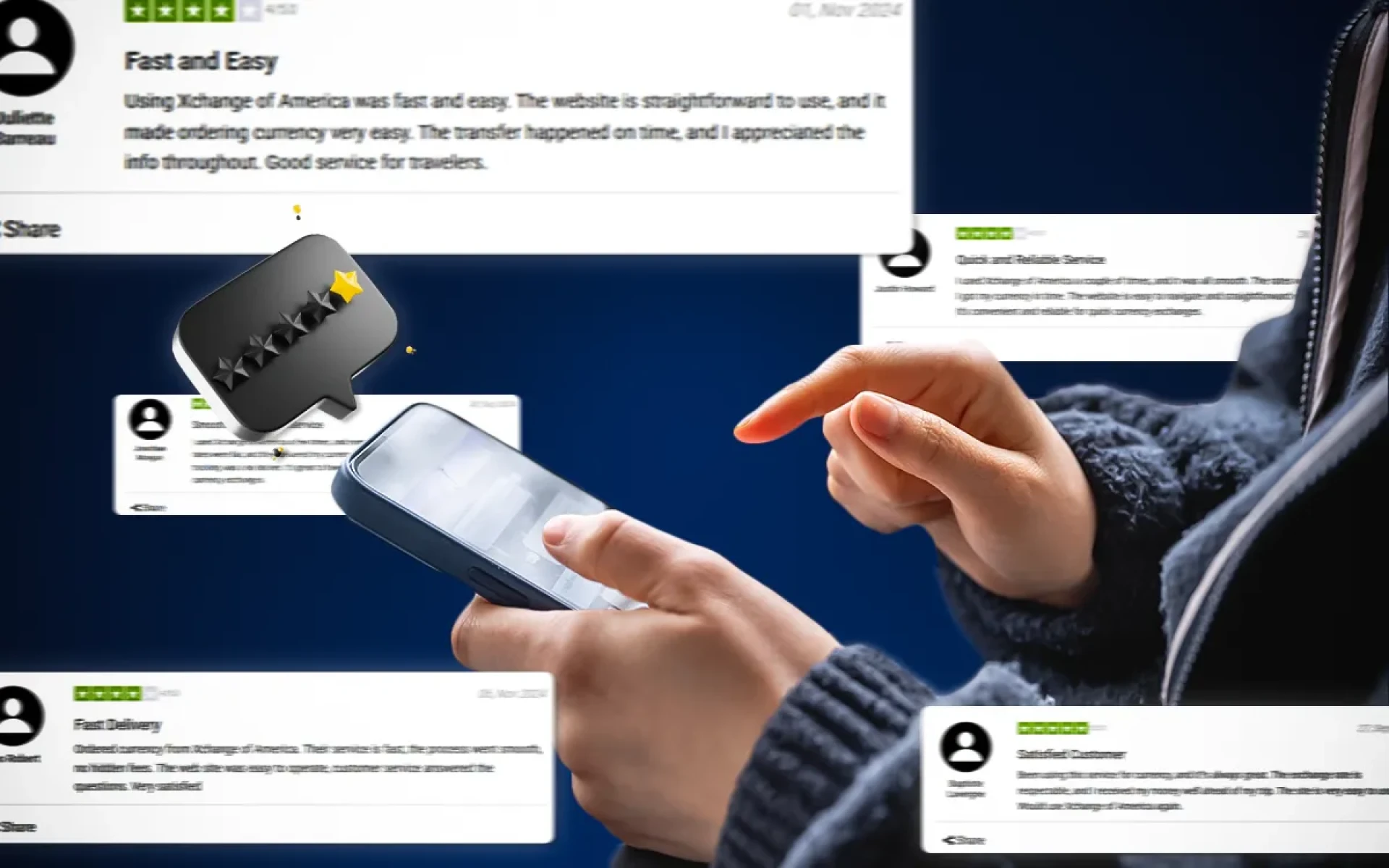
For example, suppose a service provider has many recent reviews in which customers describe their experience in their own words (“The delivery was on time, the technician called ahead, we got follow‑up service”); that’s a very concrete type of feedback.
When you write a review yourself, you also contribute: businesses get better when they hear what users actually experienced. That cycle helps all users get better service, and businesses improve.
Conclusion
Reviews, user reviews, real user reviews, business reviews, and scam reviews are central to how people choose businesses. But because of the growing issue of fake reviews, Scam Risk Ratings are also crucial. Your ability to spot good reviews versus manipulative ones gives you an edge, whether you’re buying or running a business.
For consumers, that means reading deeply, checking review quality, and using risk signals. For a business, this means transparency, interaction, feedback, and trust via actual reviews. When performed correctly, reviews not only provide feedback but also serve as strong indicators of quality management, integrity, and confidence.




















Sign in to leave a comment.