

Every day, people rely on what others say before they buy, from choosing a restaurant to signing up for a service. In fact, about 71% of consumers say they “always” or “regularly” check online reviews when researching a business. But here’s the catch: not all reviews are what they appear. User reviews are a powerful tool; they also carry risk.
Let's explore what makes a review trustworthy, how to spot signs of real feedback versus sneaky scam reviews, and what those “scam risk ratings” really mean for both consumers and businesses. By the end, you’ll be better equipped to trust what you read and protect yourself from falling for feedback that’s too good (or bad) to be true.
Why Trustworthy Reviews Matter
Credible reviews actually count in making a decision regarding a business or a product. Approximately eighty-five percent of consumers report believing online reviews as much as friends and relatives' recommendations. And even over 90% of the population reads at least some reviews prior to purchasing something.
When reviews are real, they guide smarter decisions. On top of this, the danger of disappointment or scam increases when the feedback is not genuine and when it is misleading. That is why it is not only convenient but also necessary to know what reviews to trust.
Common Signs of Real User Reviews
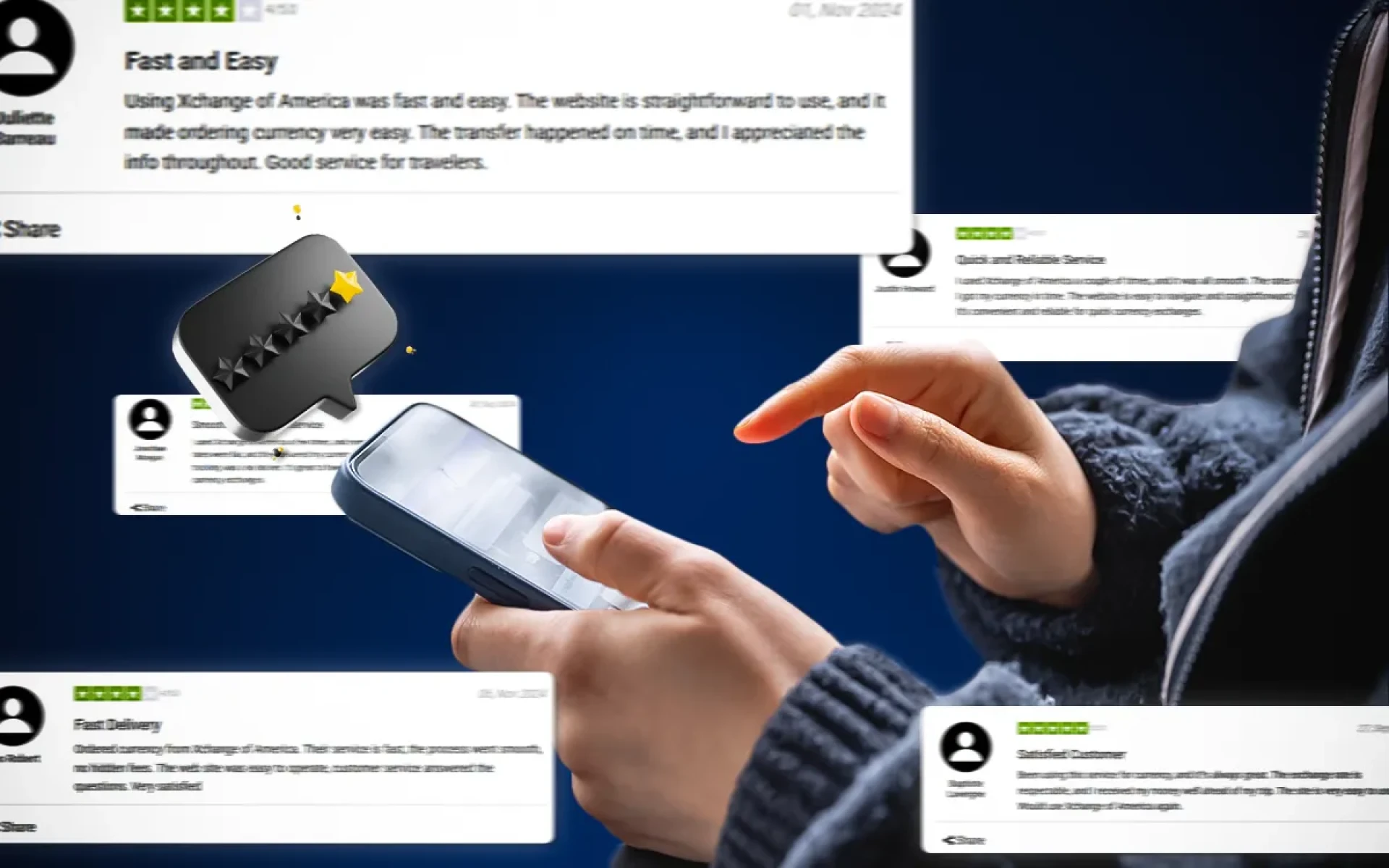
Real user reviews often give useful cues that they’re genuine. People writing real reviews tend to describe specific details, the way the product felt, the way customer service handled an issue, or how they used the service. Also, 88 % of consumers say they trust reviews that include written comments rather than just a star rating. Find a review with a valid user name, when it was written, and the person who wrote it has a history. This gives more credibility.
Finally, reviews that reference the experience timeline feel more human. These signs combined help you separate real user reviews from ones that seem too polished or generic.
Red Flags That Show Fake or Scam Reviews
When you’re reading feedback, a few warning signs can point to fake or scam reviews. First, note the sharp numbers: roughly 30 % of all online reviews are estimated to be inauthentic. Also, about 82 % of consumers say they’ve encountered a fake review in the past year.
Here are some key red flags:
- A set of glowing 5‑star reviews posted in a short time span. This sudden surge can signal manipulation.
- Reviews with very generic praise (e.g., “Great product! Highly recommend!”) but no real details of usage or experience.
- Reviewer profiles with no history, few details, or only one review ever written.
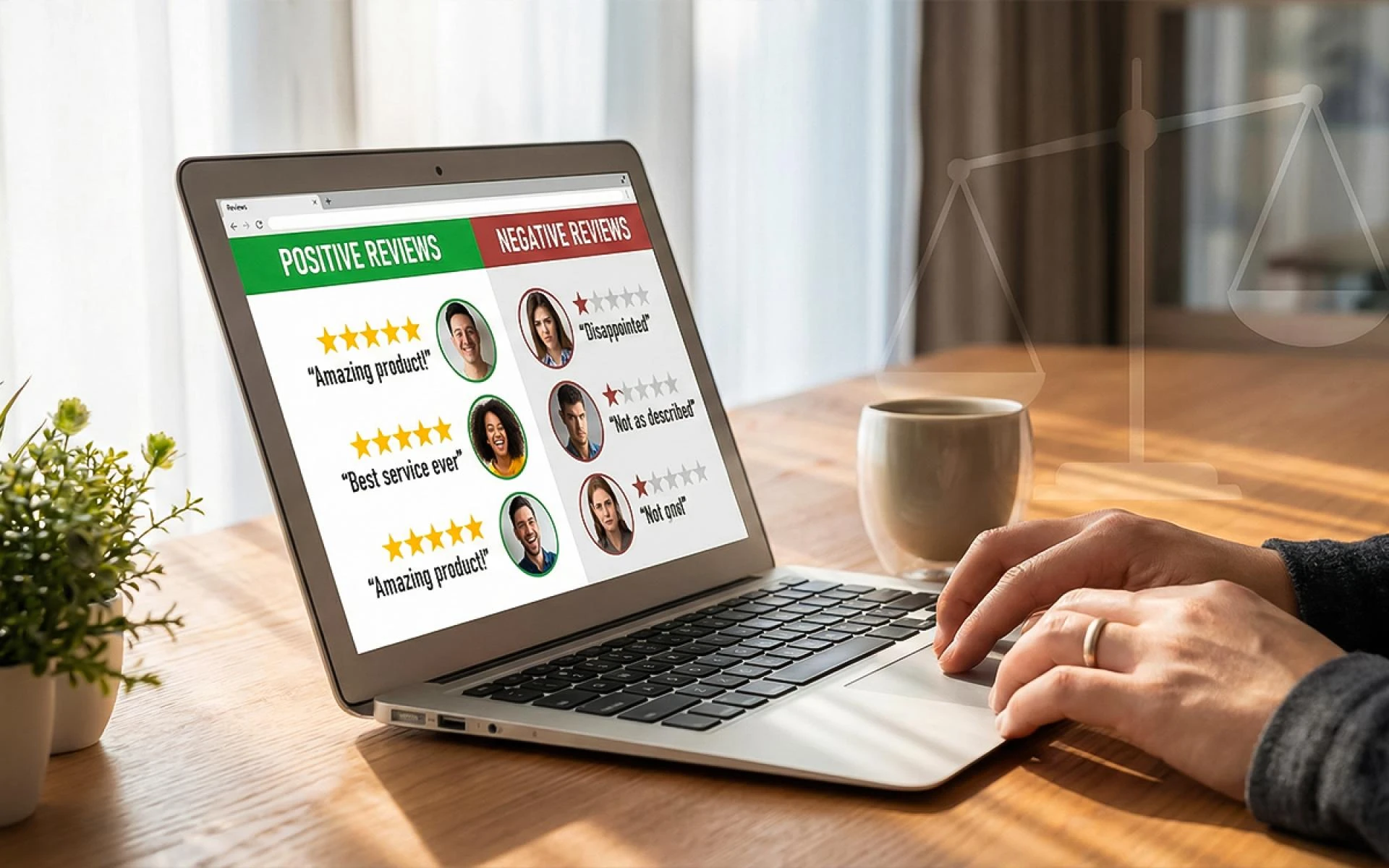
- A listing where all or almost all reviews are perfect, too many “all good, no bad” comments, can reduce credibility. Studies show consumers feel uneasy when they find zero negative or mixed reviews.
How Scam Risk Ratings Help Detect Fraudulent Reviews
Scam risk ratings act like warning lights when you’re reading through feedback online. They use algorithms and data checks to show how likely a set of reviews is genuine. Because about 30% of all online reviews are estimated to be fake, and 82% of consumers say they’ve encountered suspect feedback in the past year, these ratings matter.
Here’s how they work:
They look at patterns like many reviews posted in one brief interval, reviewer accounts with almost no history, and text that seems copied or repetitive. Some systems check metadata, too, when and where a review was posted. By using scam risk ratings, you can quickly see “this business review set may be risky” rather than taking every 5‑star at face value. That means you’re less likely to be misled by scam reviews and more likely to rely on real user reviews when making decisions.
Tips for Businesses to Encourage Genuine Feedback
To encourage genuine feedback, businesses should ask customers for a review soon after delivery or service. Timely requests boost response rates. Studies show that when a company has 10 or more reviews, search traffic can increase by 15‑20%. Use simple, direct prompts (“How did our service work for you?”) and link to verified platforms.
Do not pay to get reviews; consumers do not believe reviews that are related to compensation. Act on any positive and negative reviews: 70% of users are more likely to leave their responses after noticing that the businesses responded. With an easy and transparent process, you will receive more of the real-user reviews and gain stronger trust.
























Sign in to leave a comment.