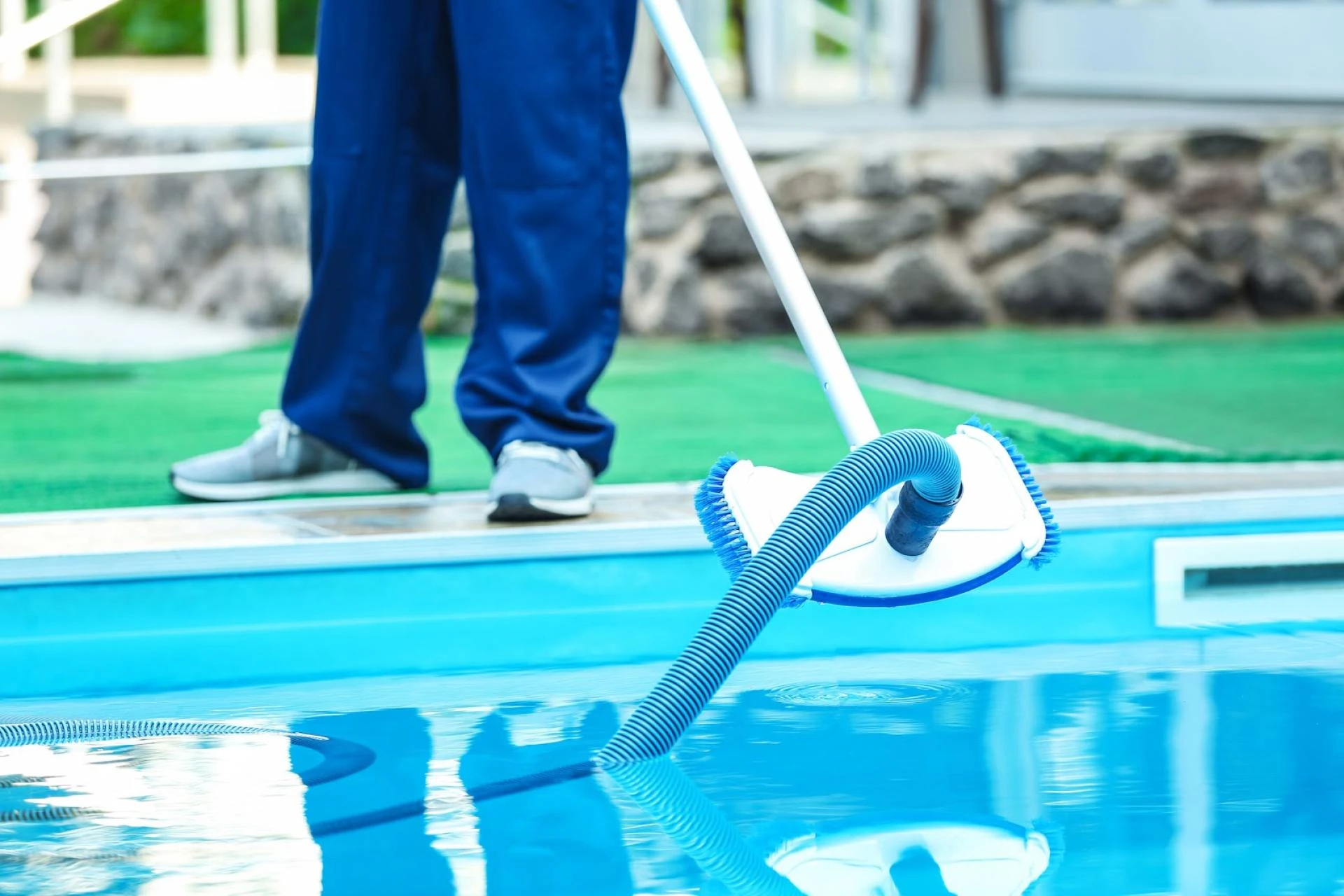

A clear and efficient pool filter keeps the water healthy and balanced. The filter works to remove dirt, oil, and debris that cause cloudy water. Clean filters also help maintain even water flow and protect pool equipment. Without consistent care, filters can lose their performance and reduce circulation. A smooth-running system depends on steady maintenance and timely inspections.
Reliable pool and spa services focus on practical maintenance and prevention methods. Regular care prevents costly repairs and keeps water consistently clean. Homeowners can avoid trouble by learning how filters work and what causes blockages. Each small habit adds up to a stronger, longer-lasting pool system. Awareness and upkeep help ensure lasting clarity and efficiency.
1. Clogged Filters
A clogged filter limits the water that passes through the system. Dirt, sunscreen, and fine debris collect between the media layers. The buildup lowers pressure and increases strain on the pump. Poor circulation leads to visible residue on pool surfaces. Regular checks and cleaning help restore normal pressure and steady water movement.
A preventive approach keeps clogging from slowing performance. Cartridges need gentle rinsing every few weeks to clear waste. Sand filters benefit from backwashing after heavy use or storms. Keep nearby trees trimmed to limit leaves and twigs. A clean environment always supports steady filtration and balanced pressure.
2. Leaking Filter Tanks
Filter leaks reduce pressure and can interrupt system flow. Cracks around the housing or loose seals allow steady water loss. Minor leaks may seem harmless, but they can worsen over time. A visible drip or air bubbles at the return line indicate a gap. Quick inspection and part replacement can prevent long-term damage.
Avoiding leaks starts with correct installation and proper inspection. O-rings should be lubricated lightly and checked for wear. Tank lids must be secured evenly without excess force. If pressure readings drop, examine all fittings carefully. Early attention avoids unnecessary strain on the filter structure.
3. Weak Water Flow
Low water flow signals a problem in the filtration system. Blocked lines, full skimmer baskets, or dirty filters sometimes cause slow circulation. The pump may still run, but with reduced suction. A small pressure drop can hint at growing resistance. Timely cleaning and observation can correct the imbalance easily.
To maintain a steady flow, check baskets and strainers weekly. Replace worn hoses or cracked pipes that restrict water paths. Maintain clean valves to allow equal distribution across the pool. Consistent water movement enhances clarity and chemical balance. Balanced pressure also protects the pump from unnecessary effort.
4. Air in the System
Air trapped in the filter system interrupts circulation and creates noise. The problem usually appears as bubbles near return jets. Low water levels or a loose pump lid may be responsible. When air collects inside, the pump can lose its prime. Continuous operation under these conditions can harm vital parts.
Eliminating air requires patience and careful inspection. Keep the pool water above the skimmer midpoint for steady intake. Tighten all suction fittings without over-torquing them. Open the filter’s air relief valve until water flows smoothly. Once air escapes, pressure normalizes, and system balance returns.
5. Damaged Filter Media
Filter media wears down from use, chemical exposure, and debris. Sand can clump, cartridges can tear, and DE powder can harden. Once damaged, particles pass through and reduce water clarity. A change in texture or a musty odor can signal decay. Restoring the media helps maintain steady filtration and better quality.
Proper care ensures that each media type performs as expected. Cartridges should be replaced once they show clear signs of wear. Sand replacement every few years supports consistent results. Handle materials gently during cleaning to prevent tearing. Healthy media keeps the filter working without disruption.
6. Regular Maintenance Habits
Consistent care builds long-term reliability for pool filters. Weekly inspections allow small issues to be resolved early. Ignoring minor signs like pressure fluctuation can reduce efficiency. A quick brush or rinse removes potential buildup before it spreads. Ongoing discipline ensures smooth function across the entire system.
Every owner can follow a simple maintenance checklist:
1. Clean filter media on a set schedule
2. Inspect seals and pressure gauges regularly
3. Remove debris from baskets and skimmers
4. Check water levels before operating the pump
These actions help sustain dependable filtration year-round. Routine observation prevents unnoticed strain on the equipment. A clean system keeps water balanced and pleasant for everyone.
Professional Services That Keep Every Pool at Its Best
How can a pool stay perfectly clean without constant stress? Many owners ask this when the water loses clarity or balance. Professional pool and spa services focus on maintenance that protects every essential system part. They clean filters, test chemicals, and manage debris before issues grow. Consistent attention keeps the water clear and equipment running smoothly.
Reliable experts deliver care that supports performance and durability together. Their methods reduce repair costs while improving energy efficiency every season. Skilled technicians inspect each part carefully to detect early warning signs. They create customized routines that fit every pool’s unique requirements. This approach maintains beauty, comfort, and functionality without any unnecessary effort.
Sign in to leave a comment.