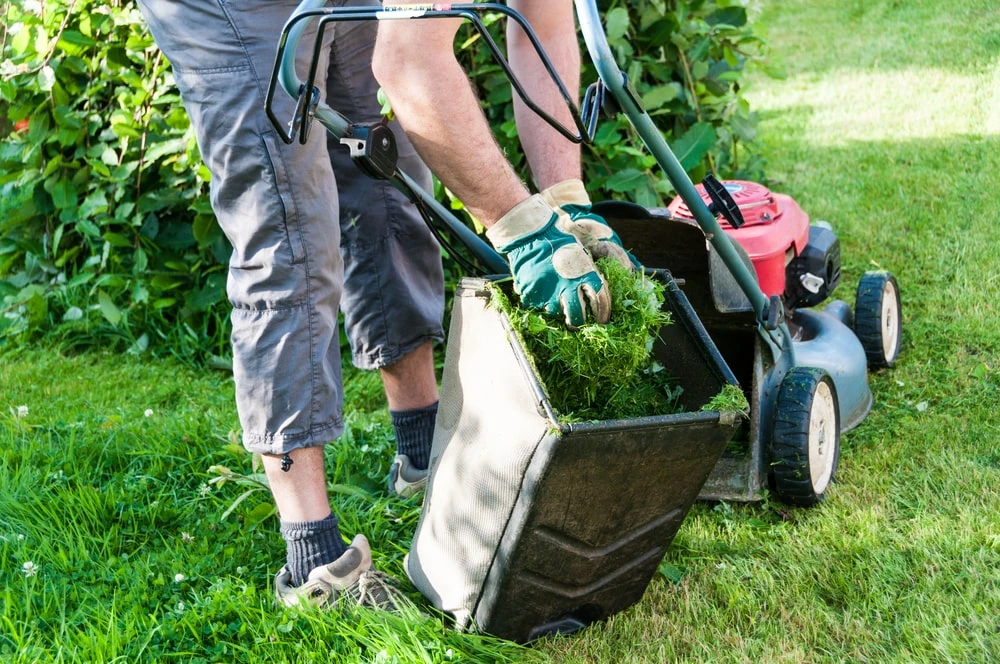

As autumn leaves finish their colorful descent, a homeowner's attention must turn to the green canvas beneath their feet. The arrival of winter is a certain event, yet many treat their lawn as an afterthought once the mower goes into storage. This approach can lead to a springtime scene of brown patches, thin grass, and a relentless battle against weeds. The transition from vibrant fall to dormant winter is a critical period for turf health. Proactive care during this window sets the foundation for a robust return. This is where the expertise of a lawn care specialist becomes an invaluable investment. Their trained eye and systematic approach can transform a vulnerable lawn into a resilient one, ready to face the cold months with strength.
The Value of Professional Assessment
A specialist begins with a thorough evaluation of the lawn's current state. This inspection goes far beyond a simple glance from the sidewalk. The professional examines soil density, checks for lingering thatch, and identifies early signs of fungal disease. They search for compacted areas that might suffocate roots over the winter. This detailed analysis pinpoints specific needs. A generic, one-size-fits-all treatment plan cannot achieve these results. The specialist creates a tailored strategy based on concrete observations. This custom plan addresses the unique weaknesses of the yard. It ensures that every effort and resource is directed where it will have the greatest effect. This initial assessment is the crucial first step toward a successful winterization.
The Critical Role of Aeration
Soil compaction is a common enemy of healthy grass, especially after a full year of activity. Compacted soil prevents essential elements from reaching the root zone. Water, nutrients, and air struggle to penetrate the hardened earth. A specialist will perform core aeration to alleviate this pressure. This process removes small plugs of soil from the lawn. It creates immediate channels for vital resources to flow deep into the ground. These holes also provide space for roots to expand and strengthen before the ground freezes. Stronger roots in the fall lead to a thicker, greener lawn in the spring. Aeration is a physical treatment that yields long-term benefits. It is a cornerstone practice in professional winter preparation.
Strategic Fertilization for Root Reserve
Fall fertilization is perhaps the most important feeding of the entire year. A specialist does not apply the same fertilizer used in the spring or summer. Instead, they select a specific winterizing formula. This fertilizer is rich in potassium and phosphorus. These nutrients promote vigorous root development and improve the plant's overall hardiness. The goal is not to produce top growth at this time. The objective is to encourage the grass to store energy within its root system. This stored energy acts as a reserve that sustains the grass during dormancy. It also provides the necessary fuel for an explosive green-up when temperatures rise. This targeted feeding builds the lawn's internal strength.
The Importance of Correct Mowing Height
Many homeowners make the error of cutting their grass very short for the final mow of the season. A specialist adopts a more calculated approach. They will gradually lower the mowing height over the last few cuttings. The final cut is typically shorter than summer height but not scalped. This optimal height, usually around two inches, prevents long grass from matting down under snow. Matting can create a habitat for snow mold and other diseases. At the same time, the grass remains long enough to photosynthesize and produce those essential root reserves. The specialist ensures the grass is trimmed to a precise, protective length. This careful practice safeguards the lawn's crown throughout the winter.
Thorough Clean-Up and Debris Management
A clean lawn is a healthy lawn going into winter. Specialists perform a comprehensive removal of leaves, sticks, and any other organic debris. A thick layer of leaves left on the turf will block sunlight and trap moisture. This wet, dark environment suffocates the grass and invites rot and mold. A specialist will clear the area completely, often through careful raking or specialized blowing equipment. They also trim back any overhanging tree limbs or encroaching garden plants. This open environment allows for maximum air circulation and light exposure during the short fall days. This meticulous clean-up removes the hiding places for pests and the breeding grounds for disease.
Expert Overseeding for Density
Bare spots and thin areas become more pronounced and problematic after winter. A lawn care specialist addresses these flaws in the fall through overseeding. They select a high-quality seed blend that matches the existing turf type and conditions. The soil is prepared, sometimes in conjunction with aeration, to ensure good seed-to-soil contact. The specialist applies the seed at the exact rate needed for optimal germination without waste. They may also apply a thin layer of top dressing to protect the seeds. Fall conditions are ideal for seed germination, with warm soil and cool air. This process fills in gaps with new, young grass plants. These new plants will mature and integrate over the winter. The result is a dense, uniform lawn that leaves no room for weeds to establish.
The effort to prepare a lawn for winter is a direct investment in its springtime beauty. While weekend tasks can help, the systematic methodology of a specialist provides a clear advantage. Their process, from assessment to final watering, addresses each factor that influences lawn health during dormancy. This professional care builds a resilient turf capable of surviving winter stresses. It leads to a lawn that wakes up healthier, greener, and more vigorous. Homeowners who partner with a specialist can enjoy the winter season with peace of mind. They can anticipate the satisfaction of a thriving lawn ready for the new year.























Sign in to leave a comment.