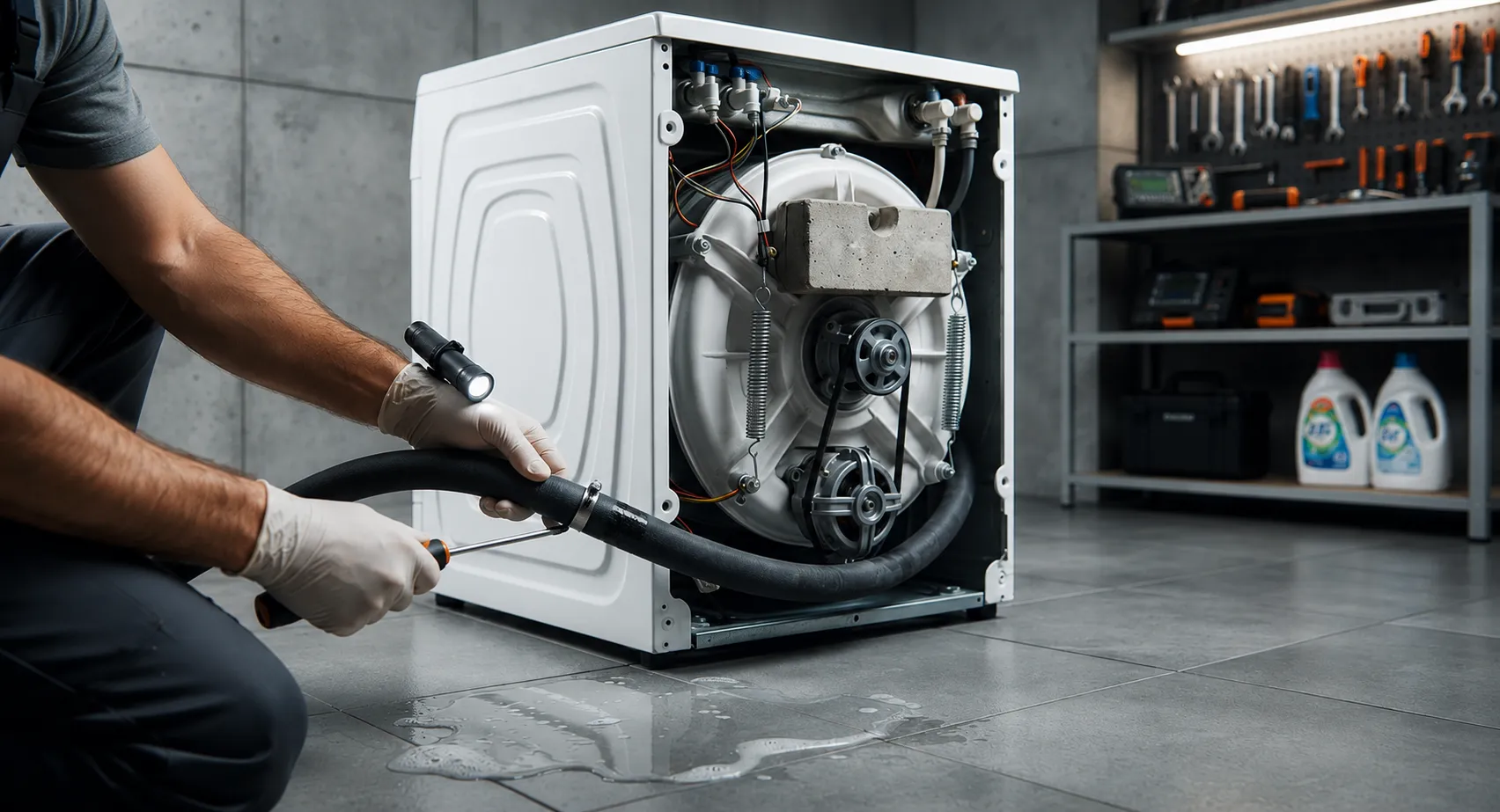

Understanding the Common problems of washing machine can help homeowners and business owners identify issues early, reduce repair costs, and extend the lifespan of their appliances. Washing machines are designed to handle frequent use, but like any mechanical device, they experience wear and tear over time. Problems such as poor drainage, unusual noises, water leaks, excessive vibration, or failure to spin properly can affect performance and interrupt daily routines. Learning the most common causes and adopting regular maintenance practices can prevent many of these issues before they become major repairs.
Why Washing Machines Develop Problems
A washing machine contains numerous mechanical, electrical, and electronic components that work together during every wash cycle.
Frequent use, overloaded drums, worn parts, detergent residue, mineral buildup, poor maintenance, and normal aging all contribute to the gradual deterioration of these components. Identifying warning signs early helps minimize damage and maintain reliable performance.
Preventive maintenance is often the best way to reduce unexpected breakdowns.
Washer Will Not Start
One of the most common complaints is a washing machine that refuses to start.
This issue may result from a faulty power supply, damaged power cord, defective door or lid switch, malfunctioning control panel, or electrical problems within the appliance.
Before assuming a major failure, verify that the washer is properly connected to power and the door is securely closed.
Washing Machine Does Not Drain
Drainage issues prevent the washer from completing the wash cycle properly.
Blocked drain hoses, clogged filters, damaged drain pumps, or obstructions inside the drainage system often prevent water from leaving the machine.
Regular cleaning of filters and drain hoses significantly reduces drainage problems.
Washer Does Not Spin Properly
A washer that leaves clothing soaking wet usually has a spinning problem.
Overloaded drums, unbalanced loads, worn drive belts, faulty lid switches, suspension problems, or motor issues may prevent the washer from reaching full spin speed.
Correct loading practices and routine inspections help prevent many spin-related issues.
Excessive Vibration
Strong vibration during operation often indicates an installation or balancing issue.
Uneven floors, overloaded drums, damaged suspension components, or improperly adjusted leveling feet can all contribute to excessive movement.
Keeping loads balanced and ensuring the appliance is level improves stability during high-speed spinning.
Water Leaks
Leaks are among the most noticeable washing machine problems.
Loose hose connections, damaged door seals, cracked hoses, worn pumps, or overflowing detergent can all cause water to escape during operation.
Inspecting hoses and seals regularly helps prevent water damage to surrounding areas.
Unpleasant Odors
A washing machine should leave clothes smelling fresh, not musty.
Odors usually develop when detergent residue, moisture, mold, or mildew accumulate inside the drum, rubber gasket, detergent drawer, or drain system.
Cleaning the washer regularly and allowing the drum to dry after use greatly reduces odor buildup.
Loud or Unusual Noises
Grinding, banging, squealing, or rattling sounds should never be ignored.
Loose objects inside the drum, worn bearings, damaged drive belts, failing motors, or deteriorated suspension components can all create abnormal noises during operation.
Prompt inspection prevents additional damage to internal parts.
Washing Performance Declines
Sometimes the machine appears to function normally but clothes remain dirty after washing.
Poor washing results may be caused by overloaded drums, incorrect detergent, clogged dispensers, low water pressure, or worn mechanical components.
Following the manufacturer's loading and detergent recommendations helps maintain cleaning performance.
Electrical and Control Problems
Modern washing machines rely on electronic control systems to manage wash cycles.
Faulty sensors, damaged control boards, wiring issues, or software errors may cause interrupted cycles, flashing error codes, or inconsistent operation.
Electrical problems should be diagnosed by qualified technicians to ensure safe repairs.
Preventive Maintenance Reduces Breakdowns
Many common washing machine issues can be avoided through regular care.
Routine cleaning, proper loading, timely inspections, and following manufacturer maintenance recommendations help reduce wear while improving appliance reliability and efficiency.
Preventive maintenance also lowers long-term repair costs.
Simple Maintenance Habits
- Clean the drum regularly.
- Inspect and clean the drain filter.
- Wipe the door gasket after every wash.
- Leave the washer door slightly open after use.
- Use the correct detergent and recommended amount.
- Avoid overloading the machine.
- Check hoses for leaks or wear.
- Clean the detergent dispenser frequently.
- Listen for unusual noises during operation.
- Schedule routine inspections when necessary.
Recognizing Early Warning Signs
Paying attention to small changes in your washer's performance can prevent larger problems.
Longer wash cycles, slow drainage, excessive vibration, unusual noises, water leaks, unpleasant odors, or inconsistent spinning often indicate developing mechanical or electrical issues. Addressing these symptoms early usually reduces repair costs and extends the life of the appliance.
Waiting too long may allow minor issues to become major failures.
Professional Repair Services
While regular maintenance resolves many minor issues, some mechanical and electrical problems require expert diagnosis. If your appliance experiences recurring failures, persistent leaks, motor problems, or control system malfunctions, seeking Commercial Washer Repair services can provide accurate troubleshooting, quality repairs, and reliable long-term performance while minimizing operational downtime.
Final Thoughts
Understanding the common problems of washing machines allows owners to recognize issues early and take preventive action before significant damage occurs. Regular maintenance, proper loading techniques, routine cleaning, and timely inspections all contribute to improved reliability and longer appliance life.
By following good maintenance practices and responding quickly to warning signs, you can keep your washing machine operating efficiently, reduce unexpected repair costs, and enjoy dependable performance for many years.




























Sign in to leave a comment.