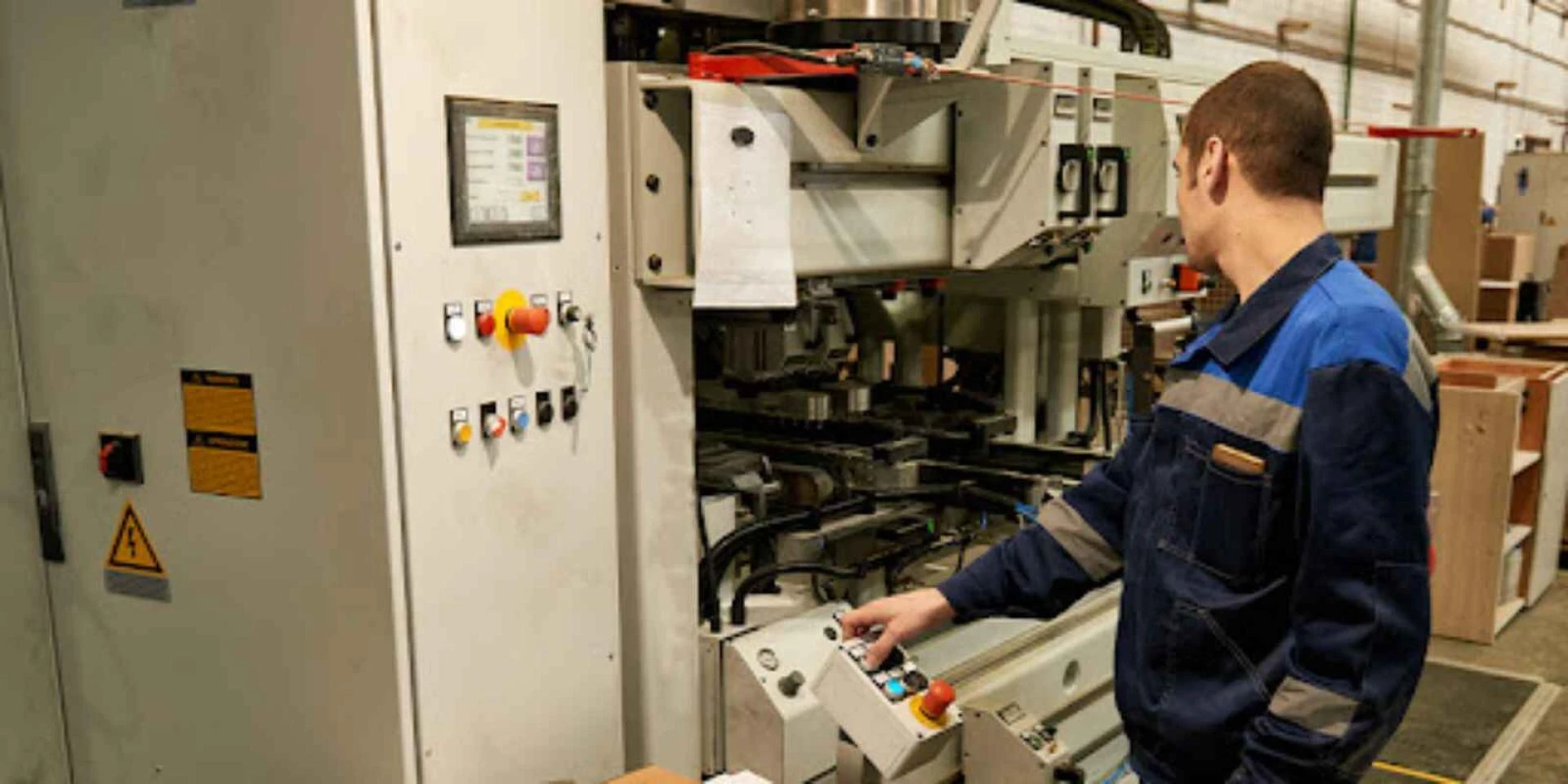

Manufacturers in various industries, including construction, automotive, and other sectors, have grown to rely on PU foaming machines as vital tools. These machines produce a wide range of products, including insulation, padding, and packaging materials. But just like any complicated equipment, PU foam machines can run into issues. In this post, we'll examine some of the most typical issues relating to PU foam machines and look at various troubleshooting approaches that can assist you in fixing them.
Why PU Foaming Machines Are The Best
Understanding why PU foaming machines are the best crucial before getting into the troubleshooting process. Due to its low weight, strength, and adaptability, polyurethane (PU) foam is a popular material for various items. Additionally, it's pretty easy to make PU foam, especially with an excellent foaming machine. PU foam machines are frequently capable of swiftly and effectively producing enormous volumes of foam, making them perfect for high-volume production operations. They are a popular option for foaming machine manufacturers of all sizes because they are also effortless to use and maintain.
Common Problems With PU Foam Machines
After discussing why PU foaming machines are the greatest, let's examine some of the most typical issues that arise with them.
Leakage
Leakage is among the most typical issues with PU foam machines. Numerous things, such as worn seals, damaged parts, and loose connections, might cause leakage. To solve this issue, you must search for leaks at all possible points of entry, such as the seals around the mixing head, the hoses and pipes leading to the device, and the connections to the fluid tanks. The leak should be fixed as quickly as possible because it could be dangerous and result in material waste.
Low Output
Low production is another issue that PU foam machines frequently encounter. Numerous problems, such as clogged hoses or nozzles, old mixing heads, or wrong machine settings, may be to blame. It would be best to examine the mixing head for wear, check the hoses and nozzles for obstructions, and confirm that the machine is configured correctly to resolve this issue. This may cause production to be delayed and income to be lost.
Inconsistent Foam Quality
The inconsistent foam quality produced by PU foam machines is another frequent issue. Many problems, such as improper mixing ratios, old mixing heads, or machine settings, can bring this on. Checking the mixing proportions, looking over the mixing head for wear, and ensuring the machine is adequately configured are all steps in troubleshooting this issue. Rejection of the products and damage to the company's reputation may result from this.
Machine Overheating
Overheating can be another issue PU foam machines may encounter. Numerous problems, such as clogged air filters, damaged bearings, or improper machine settings, may be to blame for this. Checking the air filters, looking at the bearings for wear, and ensuring the machine is adequately configured are all steps in troubleshooting this issue. The device may be damaged by overheating, and dangerous circumstances may result.
Power Loss
Power loss is a problem that PU foam machines can encounter. Numerous issues, such as a faulty power supply, sloppy connections, or short circuits, may be to blame for this. To troubleshoot this issue, you must look for any difficulties with the power supply, the connections, and the wiring. Power outages have the potential to harm the machine and hinder productivity.
Unusual Noises
Unusual noises are an issue with PU foam machines. Some problems, including worn or loose parts or inappropriate settings, may cause these noises. You must locate the noise's source, check the machine for damaged or lost parts, and ensure it is appropriately configured to solve this problem. Unusual noises may signal a machine breakdown that will require expensive repairs and downtime.
Control Panel Error
Additionally, PU foam machines are vulnerable to control panel errors, which can bring several problems, such as inappropriate settings, defective wiring, or improper programming. You must ensure that the wiring, programming, settings, control panel, and settings are all in order before you can begin troubleshooting this issue. Errors on the control panel might make it harder to operate the machine and delay production.
Troubleshooting Techniques for PU Foam Machines
Suppose you are experiencing problems with your PU foam machine. In that case, there are several troubleshooting techniques that you can use to resolve them.
Check The Machine's Settings
Checking the machine's settings should be one of your first steps when troubleshooting a PU foam machine. Verify that all machine settings are correct, including temperature and mixing ratios. Additionally, make sure the computer is not in a lockout or safety mode.
Inspect The Machine For Wear And Tear
Examining the machine for signs of wear and tear is a crucial step in PU foam machine troubleshooting. Examine the mixing head, seals, hoses, and other parts for wear. Keep an eye out for any damage that might produce issues, such as cracks or leaks. To remedy the problem, you must replace the worn or broken parts if you locate any.
Check The Fluid Levels And Quality
Assessing the fluid levels and quality is also crucial when troubleshooting a PU foam machine. Please ensure the machine is filled with the appropriate foam-producing substances and positioned at the proper levels. Make sure the fluids are not tainted or expired as well. To fix the issue, you must replenish the machine with new fluids if the fluid levels are low or the fluids have expired.
Clean The Machine Regularly
Cleaning a PU foam machine regularly is an additional critical step in troubleshooting. PU foam machines are susceptible to dust and debris buildup, which can result in various issues. Keep the machine free of dust and dirt by performing routine cleanings.
Consult The Manufacturer's Manual
Finally, referring to the manufacturer's instructions when troubleshooting a PU foam machine is wise. This manual will include comprehensive instructions on using and caring for the device and troubleshooting advice for typical issues. You can also get support from the manufacturer or supplier for any problems you might experience.
Conclusion
PU foam machines are a vital tool for manufacturers in various industries. Still, they can have issues, just like any other piece of technology. In this guest post, we've looked at some of the most frequent problems relating to PU foam machines and offered some troubleshooting methods that can assist you in fixing them. Check the machine's settings, examine it for damage, look at the fluid levels and quality, clean the machine frequently, and ask the manufacturer or supplier for help if you have issues with your PU foam machine. You can maintain the smooth operation of your PU foam machine by taking the proper steps.
Your PU foam machine will last longer and have fewer issues if you perform routine maintenance, inspections, and proper handling. Additionally crucial is picking trustworthy foaming machine manufacturers and high-quality foaming machines. Doing this will make the device well-made, reliable, and less likely to have issues. You can ensure that your PU foam machine keeps performing at its best and provides the results you require by being proactive and taking the necessary actions to troubleshoot and prevent issues.
0


























Sign in to leave a comment.