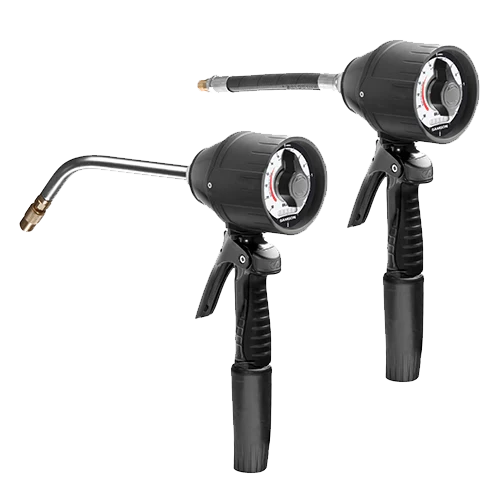

Metered control handles are essential tools in fluid dispensing operations, especially in automotive workshops, industrial maintenance, and fueling stations. They provide precise control over the quantity of fluid dispensed, improving accuracy, reducing waste, and ensuring efficiency. However, like any mechanical device, metered control handles can develop issues over time due to wear, improper use, or lack of maintenance.
Understanding the most common problems and knowing how to fix them can help extend the life of your equipment, reduce downtime, and maintain accurate fluid dispensing.
1. Inaccurate Readings
One of the most common problems with metered control handles is inaccurate volume readings. This issue can result in overfilling or underfilling, impacting both operational efficiency and customer satisfaction.
Possible Causes:
- Internal wear in the metering mechanism
- Calibration drift over time
- Contamination or debris interfering with sensors
How to Fix It:
- Calibrate regularly according to the manufacturer’s instructions.
- Clean the internal components to remove any debris.
- Replace worn-out metering parts if calibration no longer resolves the issue.
2. Leaking Fluids
Fluid leakage can occur either at the nozzle, within the handle body, or at the connection points. Even small leaks can lead to wasted fluid, messy workspaces, and potential safety hazards.
Possible Causes:
- Damaged O-rings or seals
- Loose fittings or connections
- Cracks in the handle body from physical damage
How to Fix It:
- Inspect seals and gaskets for wear or cracks and replace them as needed.
- Tighten all fittings to ensure a proper seal.
- If the handle body is cracked, replace the unit entirely for safety and reliability.
3. Sticking or Difficult Trigger Operation
When the trigger on a metered control handle becomes stiff or sticks, it can make dispensing uncomfortable and inefficient.
Possible Causes:
- Dirt, grime, or dried fluid buildup around the trigger mechanism
- Worn or bent trigger components
- Rust or corrosion from exposure to moisture
How to Fix It:
- Clean the trigger assembly thoroughly with an appropriate cleaning solution.
- Lubricate moving parts with manufacturer-recommended lubricants.
- Replace bent or damaged trigger parts if cleaning and lubrication don’t help.
4. Fluid Flow Restriction
Sometimes, a metered control handle may experience reduced flow rates, slowing down the dispensing process.
Possible Causes:
- Clogged filters or internal passages
- Kinked hoses or hose reel issues
- Worn-out internal valves
How to Fix It:
- Check and clean filters regularly.
- Ensure hoses are free of kinks and that Water Hose Reels are functioning properly.
- Replace internal valves if flow restriction persists after cleaning.
5. Electronic Malfunctions (Digital Models)
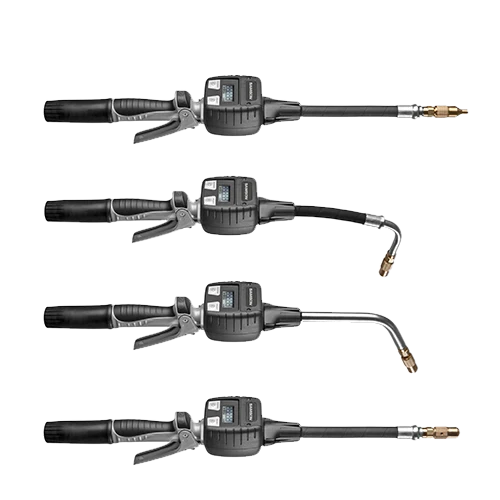
Modern metered control handles often include digital displays for accurate readings. If the display fails or shows incorrect information, it can disrupt workflow.
Possible Causes:
- Dead or weak batteries
- Faulty wiring or circuit board damage
- Moisture infiltration into electronic components
How to Fix It:
- Replace the batteries and test the unit.
- Inspect wiring connections for damage and replace as necessary.
- Ensure the handle is stored in a dry environment to prevent future moisture damage.
6. Rapid Wear and Tear
Some metered control handles wear out faster than expected due to rough handling, exposure to harsh chemicals, or high-volume usage.
Possible Causes:
- Using the handle with incompatible fluids
- Dropping or striking the handle during operation
- Operating beyond recommended pressure or temperature limits
How to Fix It:
- Follow the manufacturer’s fluid compatibility guidelines.
- Implement training for operators to ensure careful handling.
- Operate only within the specified pressure and temperature ranges.
Maintenance Tips to Prevent Problems
While repairs are sometimes unavoidable, proper maintenance can greatly extend the life of a metered control handle. Here are a few best practices:
- Perform regular inspections for wear, leaks, and calibration accuracy.
- Clean the handle after each use, especially when working with sticky or corrosive fluids.
- Store the handle in a safe location away from moisture and extreme temperatures.
- Train staff on proper handling techniques to reduce damage from misuse.
Conclusion
Metered control handles are vital for precision fluid dispensing, but they require proper care and occasional troubleshooting to stay in peak condition. By understanding common problems such as inaccurate readings, leaks, flow restrictions, and electronic malfunctions and applying the right fixes, you can minimize downtime and maximize operational efficiency.
For workshops and fueling stations that want reliable, high-performance equipment, choosing the right supplier is key. Empire Lube Equipment offers top-quality metered control handles, fluid management systems, and related dispensing accessories, ensuring your business stays equipped with durable, accurate, and efficient tools. With the right products and maintenance practices, you can keep your dispensing operations running smoothly for years to come.


























Sign in to leave a comment.