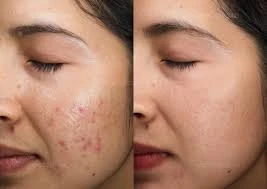

Acne can be a challenging condition, affecting not only teenagers but adults as well. For many, over-the-counter treatments and home remedies aren’t enough, leading them to seek professional help at acne treatment clinics. These clinics offer a variety of procedures designed to tackle acne and improve skin health. Understanding these procedures and their effectiveness can help you make informed decisions about your treatment options. Here, we explore some of the most common procedures used in Acne treatment clinic in oman and their effectiveness.
1. Topical Medications
Overview: Topical medications are often the first line of defense in acne treatment. These are creams, gels, or lotions applied directly to the skin.
Types:
Retinoids: These are derived from vitamin A and work by unclogging pores and reducing inflammation.Antibiotics: These help reduce the bacteria on the skin that contribute to acne.Benzoyl Peroxide: This ingredient helps to kill acne-causing bacteria and dry out excess oil.Salicylic Acid: Known for its ability to exfoliate the skin and prevent pores from becoming clogged.Effectiveness: Topical medications can be highly effective for mild to moderate acne. They are usually prescribed based on the type of acne and skin type. Regular use is crucial, and improvements are typically seen within a few weeks. However, results can vary, and some people may experience dryness or irritation.
2. Oral Medications
Overview: Oral medications are prescribed for more severe cases of acne or when topical treatments are insufficient.
Types:
Antibiotics: These work internally to reduce inflammation and bacteria throughout the body.Hormonal Treatments: These are often used for women whose acne is related to hormonal imbalances, such as birth control pills or anti-androgens.Isotretinoin: A powerful drug used for severe acne that hasn’t responded to other treatments. It reduces oil production and has a long-lasting effect.Effectiveness: Oral medications can be very effective for treating moderate to severe acne. They often lead to significant improvements in acne symptoms. However, they can have side effects and may require regular monitoring by a healthcare provider.
3. Chemical Peels
Overview: Chemical peels involve applying a chemical solution to the skin, which causes the top layer to peel off, revealing fresher skin underneath.
Types:
Salicylic Acid Peels: Ideal for acne-prone skin, as they help to clear out pores and reduce inflammation.Glycolic Acid Peels: These peels exfoliate the skin and can help reduce the appearance of acne scars.Effectiveness: Chemical peels can help improve skin texture and reduce acne breakouts. They are particularly useful for people with mild to moderate acne and can also help with post-acne scarring. Multiple sessions may be required to see optimal results.
4. Microdermabrasion
Overview: Microdermabrasion is a non-invasive procedure that involves exfoliating the skin using a special device that sprays tiny crystals onto the skin’s surface.
Effectiveness: This procedure helps remove dead skin cells and can improve skin texture and tone. It is often used to reduce the appearance of acne scars and can be effective for mild to moderate acne. However, it may require multiple treatments for the best results.
5. Laser Therapy
Overview: Laser therapy uses focused light to target the bacteria that cause acne, reduce inflammation, and improve skin texture.
Types:
Pulsed Light Therapy: Targets acne-causing bacteria and reduces oil production.Fractional Laser Therapy: Helps with acne scars by promoting collagen production and improving skin texture.Effectiveness: Laser therapy can be effective in treating both active acne and acne scars. It usually requires several sessions, and while it can lead to significant improvements, results can vary based on individual skin type and acne severity.
6. Photodynamic Therapy (PDT)
Overview: PDT involves applying a photosensitizing agent to the skin, which is then activated by a special light to target and destroy acne-causing bacteria and reduce oil production.
Effectiveness: PDT can be effective for moderate to severe acne. It works by targeting the underlying causes of acne and can lead to significant improvement in skin appearance. However, it can cause temporary redness and sensitivity.
7. Extraction
Overview: Extraction involves manually removing clogged pores, blackheads, and whiteheads using specialized tools.
Effectiveness: Extraction can be effective for clearing out existing clogged pores and reducing acne lesions. However, it should be performed by a trained professional to avoid skin damage or scarring. This method is typically used in combination with other treatments for best results.
8. Light and Laser Treatments
Overview: These treatments use various types of light and lasers to target acne lesions and reduce inflammation.
Types:
Blue Light Therapy: Targets and kills the bacteria responsible for acne.Red Light Therapy: Reduces inflammation and promotes healing.Effectiveness: Light and laser treatments can be effective for reducing acne lesions and inflammation. They are often used in combination with other therapies for comprehensive acne management.
Choosing the Right Procedure for You
The effectiveness of these procedures can vary based on individual factors such as skin type, acne severity, and overall health. It’s essential to consult with a dermatologist or a qualified skincare professional to determine the best treatment plan for your specific needs. They can provide personalized recommendations and help you understand what to expect from each procedure.
Conclusion
Acne treatment clinics offer a range of procedures designed to address various aspects of acne and improve skin health. From topical and oral medications to advanced therapies like laser treatments and chemical peels, there are numerous options available to help manage and reduce acne. Understanding these procedures and their effectiveness can empower you to make informed decisions about your acne treatment journey. Always consult with a professional to tailor a treatment plan that best suits your individual needs and skin type.


























Sign in to leave a comment.