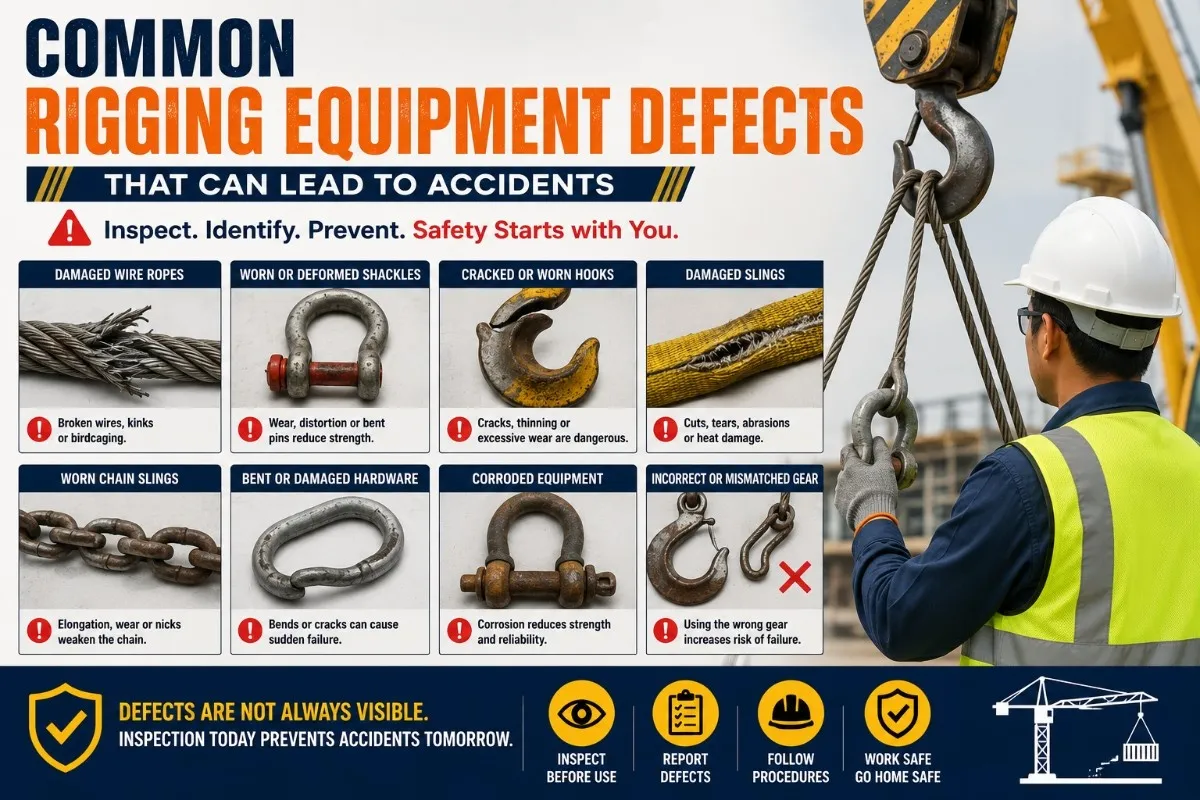

Rigging equipment forms the backbone of any lifting activity in construction, marine, manufacturing, logistics, and other industries. Slings, shackles, hooks, wire ropes, chains, and accessories are designed to bear a massive load, but their proper functioning is compromised when even a minor defect emerges. This, in turn, creates hazards during lifting operations, including loss of cargo, equipment damage, and personal injury. In this regard, regular inspection of rigging hardware before lifting activities becomes paramount. In addition to general safety, it also minimizes operational downtime and ensures the lifting process is not disrupted.
This essay discusses why rigging equipment inspection is necessary and describes the most common defects that may be found in various types of lifting accessories.
Inspection of Rigging Equipment Is Necessary
Rigging equipment is exposed to substantial mechanical stress during lifting operations. Moreover, it is often subjected to the elements, which accelerates the aging process and causes defects. Consequently, regular inspection of rigging hardware is necessary to identify defective gear before it is used, prevent lifting equipment failure, eliminate job site accidents, increase equipment’s longevity, and ensure that the lifting operations are performed in accordance with applicable standards.
Using defective rigging equipment is one of the easiest and most common causes of lifting accidents.
Common Rigging Equipment Defects
Various defects may be found in different types of rigging equipment. The most frequent issues discovered during visual inspection of wire ropes, slings, shackles, hooks, and other lifting accessories include broken wires, frayed edges, bent or deformed parts, corrosion and rust, chain elongation and wear, and missing tags.
Broken or corroded wire ropes, hooks, and chains should not be used for lifting operations. Similarly, bent shackles, web slings with a cut or torn surface, and lifting eyes with visible defects are unfit for use. Other lifting hardware defects that should be inspected and addressed promptly are as follows:
Bent Hooks
Hooks are designed to hold or secure a load during lifting operations. As such, they are subject to bending and twisting. The bent or deformed hooks should not be used as lifting accessories. This problem is aggravated by the fact that hooks do not have to be removed from service when the opening is oversized. In addition to that, most types of hooks feature a safety latch that should always be checked before use.
Cracks and Dents in Shackles
Shackles are another critical lifeline component that should be carefully inspected before each lifting operation. Numerous defects can be found in shackles, including cracks, bent or deformed pins, corrosion, and worn threads. In addition, most shackle types should not be repaired since such defects as cracks or bends significantly compromise structural integrity. For these reasons, it is better to retire a damaged shackle.
Corrosion
Most rigging equipment is susceptible to corrosion. Corrosion and rust weaken the lifting accessory, significantly reducing its working load capacity. This defect is frequently found on chains, shackles, wire ropes, hooks, and eyebolts.
Wear and Stretching in Chains
Chains are a vital part of many lifting operations. However, they are subject to wear and tear and should be inspected for defects before each use. Elongated links, cracks, bends, surface irregularities, and corrosion should be looked at closely. If these defects are found, the chain should be taken out of service.
Missing or Inconspicuous Tags
Tags or plaques provide critical information about the lifting accessory, such as working load limit, manufacturer data, and special notes, if any. In this regard, inspectors should ensure that information tags are present and legible. If the vital information is not available, the tag should be replaced or the lifting accessory should be discarded.
Damaged Safety Latch
Many types of hooks feature a safety latch to prevent the sling from slipping off. The safety latch should always be checked before using a hook. Ideally, it should open easily and close securely, without a gap between the lifeline accessory parts. A damaged or deformed safety latch is an important obstacle to lifting accidents.
Wear in Various Lifting Accessories
Several defects found in different types of rigging equipment are related to excessive wear. For instance, inspectors should examine lifting eyes for signs of damage, as well as abnormal or accelerated wear. Such issues as grooved hooks and master links should also be addressed.
Defects in the Lifting Equipment Caused by Improper Use
Most defects in the rigging equipment emerge as a result of operator error rather than poor quality. Excessive loading, dragging on rough surfaces, improper storage, exposure to chemicals, using inappropriate accessories, and inadequate inspection and maintenance are some of the causes of equipment defects. Thus, it is vital to pay particular attention to rigging equipment maintenance to avoid premature failure and unsafe working conditions.
In conclusion, a few words should be said about the importance of following best practices during lifting operations. First and foremost, rigging equipment must always be inspected before lifting activities. In addition, it should be stored in suitable conditions. All lifting accessories must be used within their working load limit, while sharp edges should be kept away from slings or protected by protective sleeves. Most importantly, lifting equipment inspection records should be maintained and followed. Finally, lifting accessories should be replaced when necessary or worn parts removed instead of trying to repair the damage. These measures, along with the proper training and certification of lifting equipment operators, are essential to ensure the lifting operations are safe and free from defects.
Training and Certification Courses for Rigging Equipment Operators
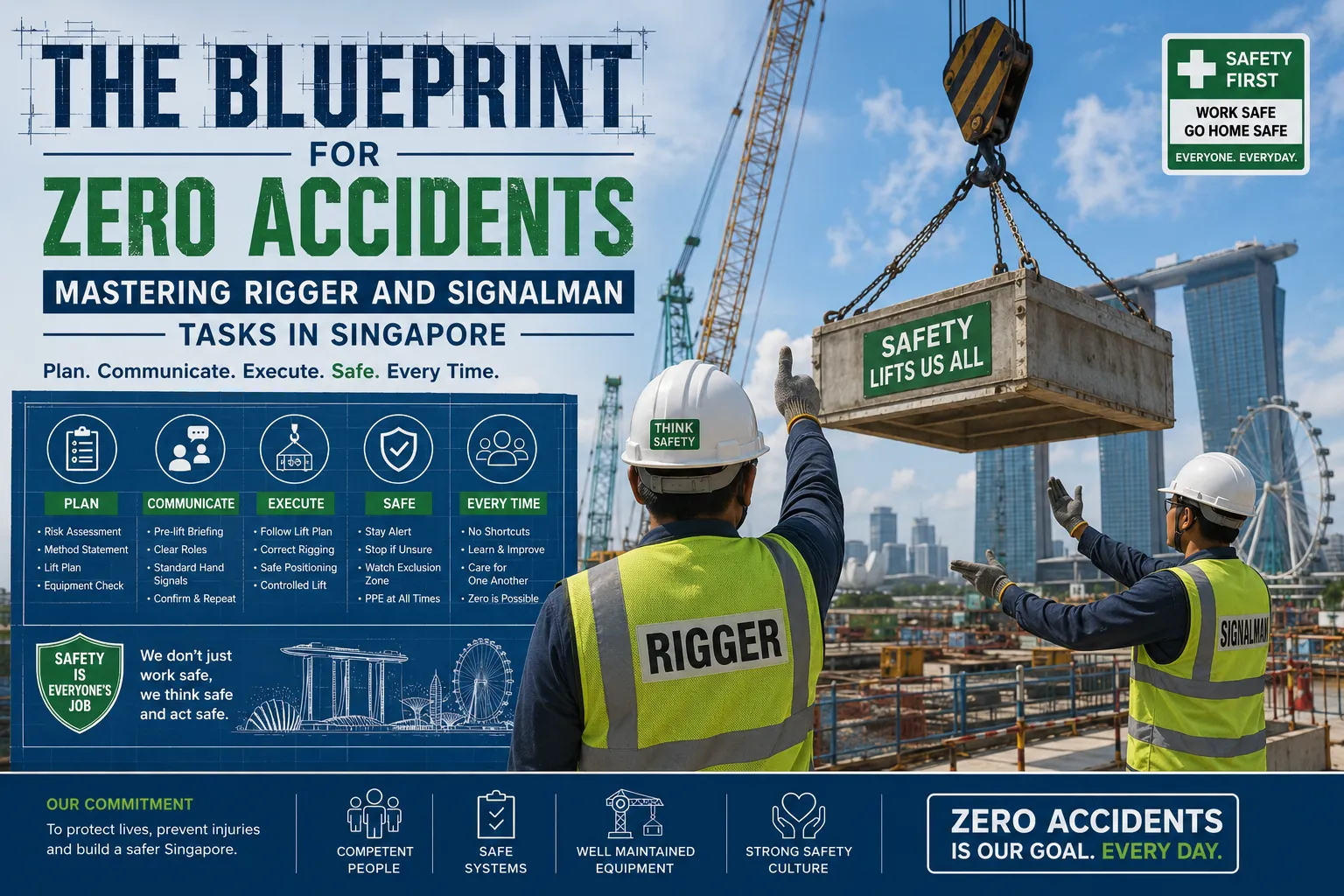
The ability to recognize the subtle signs of equipment failure is crucial for the safe operation of lifting equipment. Employees operating this type of machinery should be familiar with common rigging defects and know the correct procedures when a lifting accessory flaw is discovered. Therefore, it is essential for lifting equipment operators to take specialized training courses to gain the necessary competencies to work safely. One such program is the WSQ Perform Rigger and Signalman Task (PRST). It includes a series of modules developed to teach students how to perform lifting operations safely while following all applicable standards. Individuals who complete this course know precisely how to inspect various types of rigging equipment and are capable of eliminating lifting hazards efficiently.






























Sign in to leave a comment.