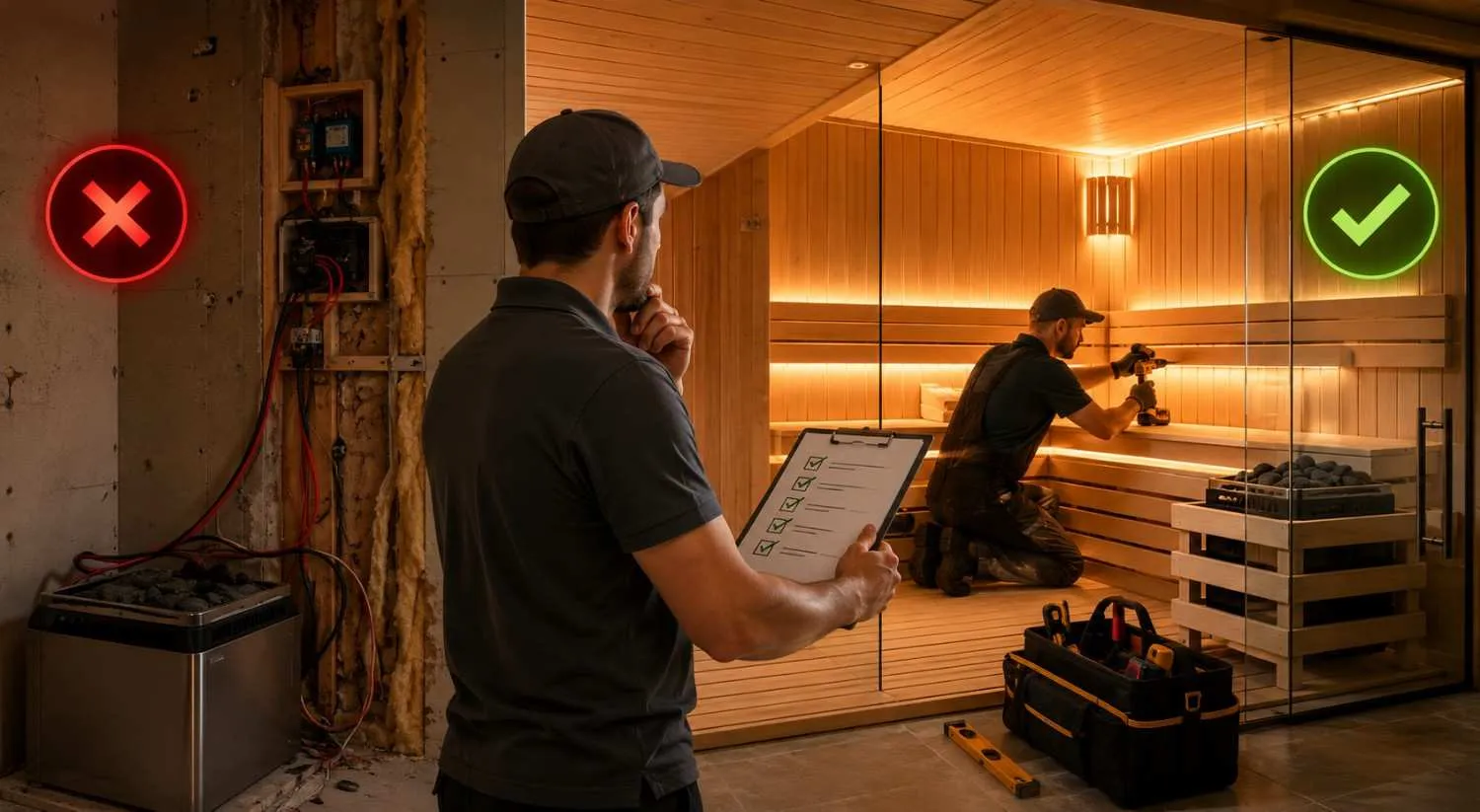

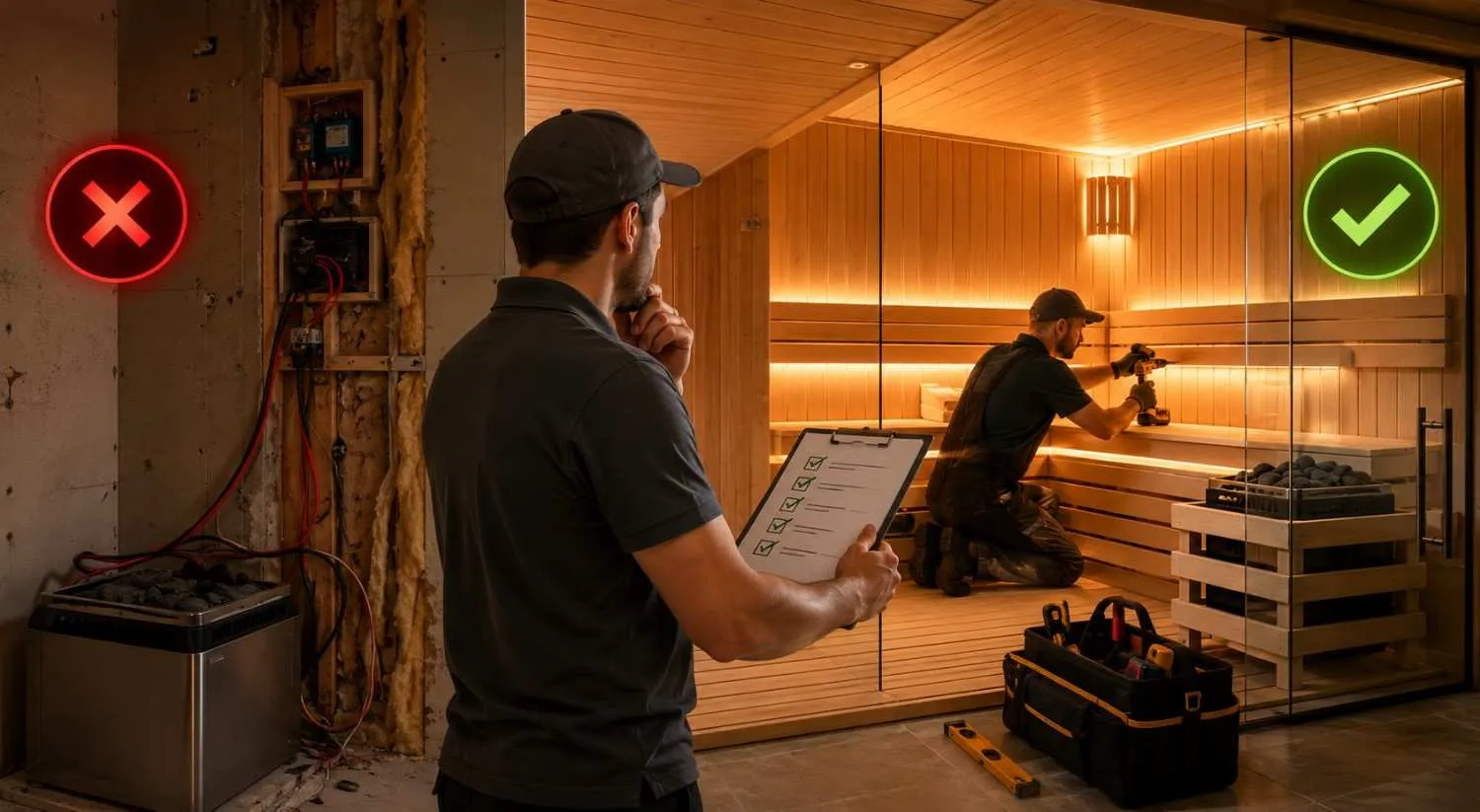
A sauna promises warmth and relaxation, yet poor decisions during installation steal that joy. Without expert guidance, enthusiasts trap themselves with cramped benches or dead air pockets. Engaging a seasoned sauna contractor in Singapore reshapes the entire project from day one.
Accord Supplies professionals examine structural load, moisture paths, and electrical loads with a sharp eye. They forestall mould growth, fire hazards, and sagging floors through precise planning. Thus, recognising their role turns a potential headache into a smooth, safe build. Learning from their methods empowers you to ask the right questions before work begins.
Why Location Choice Matters Most
Many people position their sauna in a random corner. However, this choice invites trouble. Therefore, a professional sauna contractor begins by examining the floor. First, they check load capacity and moisture levels. Next, they ensure the spot permits smooth air flow. Finally, this care prevents future headaches.
Assessing Structural Demands
- Measure space length, width, and height
- Examine floor joists and load capacity
- Reinforce weak subfloors when needed
- Confirm ceiling height meets local requirements
Considering Privacy and Access
- Position the sauna away from busy zones
- Create a calm and private spot
- Ensure the door opens without any obstruction
- Plan robe hooks near the entrance
Managing Moisture and Dampness
- Install vapour barriers to protect walls
- Direct water away from the foundation
- Check for leaks around plumbing pipes
- Use waterproof materials in damp areas
Ventilation Oversights That Cause Problems
Fresh air circulation transforms a sauna session. Without it, heat turns stale, and breathing grows difficult. Therefore, a seasoned sauna supplier in Singapore offers guidance on vent placement. At the same time, they position intake vents low and exhaust vents high. As a result, the air moves in a smooth loop. Consequently, this loop flushes out excess moisture and heat.
Designing the Airflow Path
- Direct cool air towards the heater
- Pull warm air across the benches
- Remove stale air from the upper corner
- Avoid blocking vents with furniture
Selecting Vent Types
- Choose louvred vents for easy adjustment
- Install slide vents for fine control
- Pick stainless steel to resist rust
- Ensure vent covers fit without gaps
Balancing Heat and Humidity
- Place the thermometer at the user's chest height
- Monitor humidity with a digital hygrometer
- Adjust vents to lower moisture levels
- Air out the room after each session
Insufficient Insulation and Vapour Barrier Planning
A sauna lacking proper insulation drains heat. Consequently, many DIY attempts leave gaps that escape warmth. An experienced contractor layers thick insulation boards. In addition, they install a continuous vapour barrier. At the same time, this barrier stops moisture from creeping into walls. As a result, the structure stays dry and strong.
Choosing the Right Insulation Material
- Pick fibreglass with foil backing
- Use rock wool for fire resistance
- Avoid foam that emits toxic fumes
- Check R-value for your local climate
Applying the Vapour Barrier Step by Step
- Place a barrier on the warm side
- Staple it taut without any wrinkles
- Overlap sheets by ten centimetres
- Tape all overlaps with foil tape
Sealing Gaps and Cracks
- Fill gaps around pipes with caulk
- Weatherstrip the door to block draughts
- Insulate the ceiling with extra care
- Check for light leaks and seal
Improper Fitting of Electrical Systems
Electricity and high heat demand respect. Therefore, wiring mistakes create serious fire risks. While a trusted electrician, linked to a sauna supplier in Singapore, uses moisture-resistant cables. At the same time, they ground every circuit with care. Moreover, they place controls far from the heater’s reach. Consequently, this strategy keeps bathers safe.
Selecting Sauna-Safe Wiring
- Use silicone-insulated copper wire type
- Run wires through metal conduit pipes
- Avoid splicing wires inside wall cavities
- Label circuits at the main panel
Installing the Heater the Right Way
- Mount the heater according to the manual guide
- Maintain safe clearance from wooden surfaces
- Connect to the correct voltage and amperage
- Test the heater before full operation
Positioning Light and Control Fixtures
- Place a light behind a vapour-proof lens
- Mount the control panel outside the sauna room
- Use dimmer switches for soft lighting
- Install an emergency shut-off switch near the entrance
Poor Drainage Planning and Installation
Saunas generate sweat and steam that drip onto floors. Without a drain, water pools and rots timber. At the same time, skilled builders slope the floor towards a central drain. Then, they connect it to the plumbing line. This simple drain prevents standing water. As a result, mould and slips stay rare.
- Slope the floor two percent towards the drain
- Install a removable floor drain cover
- Use PVC pipes for corrosion resistance
- Install a trap to block sewer gases
Planning the Drain Location
- Locate the drain near the heater wall
- Ensure drain access for cleaning tasks
- Avoid placing the drain under the fixed bench
- Connect to the existing waste line
Every mistake above can turn a sauna into a hazard. However, a knowledgeable sauna contractor avoids these pitfalls with ease. They bring sharp skills and quality materials to every job. In the end, your sauna becomes a safe, long-lasting retreat. So, invest in professional guidance from the very start.
Final Thought
Transforming a room into a warm haven demands more than a basic kit. Overlooking the details we explored invites costly damage and discomfort. A dedicated sauna contractor in Singapore steers your project clear of these dangers. They fuse precise airflow design, sturdy insulation, and safe electrics into one seamless package. Ultimately, their involvement delivers a retreat that heals rather than harms. Your investment with Accord Supplies with skilled hands now pays off with every soothing session. So, before you lift a hammer, talk to someone who builds these spaces daily.
FAQs
Q1.How long does a typical home sauna installation take?
A straightforward project wraps up in three to five days. Complex builds with custom benches or intricate tiling may stretch to two weeks. Your crew’s skill and preparation speed push the timeline forward.
Q2. Can I place a sauna in a basement room?
Yes, if you tackle moisture with vigour. Install a vapour barrier and a floor drain to whisk away humidity. Ensure the ceiling height meets the minimum for your chosen heater type.
Q3. Which wood resists decay best inside a sauna?
Cedar and hemlock stand firm against rot. They reject moisture and stay cool to the touch. Avoid treated timber, as it releases harmful fumes when heated. Stick to kiln-dried softwoods for lasting performance.
























Sign in to leave a comment.