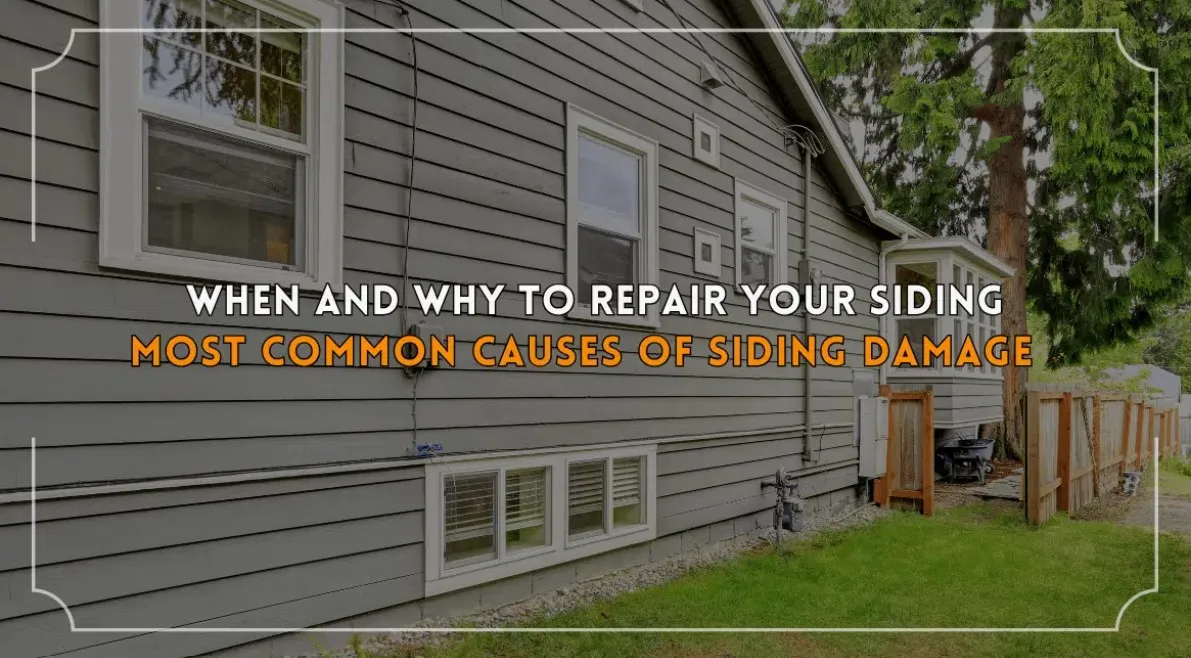

Your home’s siding is the best way to boost your curb appeal; it serves to protect your house from the elements, moisture, pests, and temperature fluctuations. With the years, even the most resilient types of siding are bound to begin to deteriorate. Loose panels or cracks in siding may not look serious right now but an issue that is not addressed early could very quickly lead to a much more expensive need for siding replacement later.
Being aware of the most frequent causes of damage to siding will help any homeowner understand what to look out for and when a problem is becoming severe enough to require attention. Hiring professional siding contractors can help in siding damage repair that can save you money in the long run.
Why Siding Damage Should Never Be Ignored
Siding damage is more than just a cosmetic issue. As siding starts to crack, warp or loosen, it can allow your home to become susceptible to moisture and mold growth as well as structural issues. When the siding is damaged, it may also affect a building’s insulation, resulting in greater energy costs since the HVAC system will struggle more to cool or heat the interior. Learn more in our complete guide on how new siding can reduce your energy bills.
While some homeowners are just waiting until the damage becomes apparent, some siding repairs in early stages are both quicker and cheaper to repair. Addressing issues early can extend the lifespan of your siding and help preserve your home’s value.
Weather Damage: The Leading Cause of Siding Problems
The most frequent cause of siding failure is exposure to the weather. Siding materials can be affected over time by heavy rain, snow, strong wind, hail and intense sunlight.
Panels may become loose, or may develop cracks, particularly in vinyl siding, due to storms. Strong winds can blow over the sides of the home, creating openings for moisture to enter. Under the conditions of extreme temperatures, siding can expand and contract many times, causing warping or splitting.
Sun exposure can also take a toll. UV rays gradually fade siding color and may make some materials brittle over time. If your siding appears warped, cracked, or loose after severe weather, it may be time to consider best siding damage repair solutions before the issue worsens.
Moisture and Water Infiltration
A major cause of siding failure is damage from water. Water can seep beneath your panels and can lead to mold/mildew, rot and structural damage even if there is just one tiny crack.
Bubbling walls, mold, paint that has begun to peel off, water stains, a musty smell near an outside wall are all signals you will observe and are all indicators that siding damage needs to be addressed.
Water damage to siding can be a great cost down the line if it’s not handled immediately. Replacing damaged siding when the damage occurs can prevent more water from seeping behind the siding.
Cracks, Holes, and Impact Damage
Siding damage is also often caused by an accidental impact. Lawn equipment, sports and other activities can cause flying debris to damage the siding panels during storms, or when tree branches fall on the panels.
Although vinyl siding is durable, it can crack when it is struck with a sudden force or when the temperature drops below freezing. When it comes to repairing damaged vinyl siding, it depends on the extent of the damage. Sometimes minor cracks can be patched or mended, but larger parts of the panel will need to be replaced to ensure protection and appearance. Even a small hole can allow moisture and pests to enter, turning a minor issue into a larger repair project.
Pest Damage Can Weaken Your Siding
Over the years, the exterior of the home or other structure can become victim to pest and bug damage that may not be obvious. Termites, wood-boring beetles and carpenter ants love wood siding, and even some exterior products can become compromised by the presence of birds and rodents who will bore through to establish their nest or dwelling.
When a homeowner discovers a tiny hole in their exterior wall, hears chirping from within the walls, or suspects any of the previous, they need to inspect the exterior of the home immediately. Damaged siding repair in a timely manner can prevent the development of larger structural problems by pests.
Poor Installation and Aging Materials
Sometimes, the damage to the siding is not from weather conditions or an accident, rather it’s from improper installation. The panels can fail if not installed properly, if they are spaced incorrectly, or if the installation is not properly done.
In addition, each siding material has a lifespan. The siding naturally begins to weaken with age and to crack, fade and become vulnerable to water infiltration. For older sidings, you might need to maintain or repair them frequently in order for them to be effective.
When your siding is displaying several signs of wear, it may be time to determine if it’s worth repairing or replacing the best siding damage repair services can help you decide.
When Should You Repair Your Siding?
Being aware of the signs of damage on your siding can prevent you from future significant costs. There are several things which should never be overlooked.
Visible Cracks or Loose Panels
You can see some cracks on your siding panels that might not seem like much to worry about but they could easily spread and allow water into your home. Loose panels can also leave gaps that expose your house to damage.
Warping or Bubbling
If there are any drains or puddles on the ground, you’ll likely find warped siding as well. This is an issue that needs to be resolved promptly to prevent the occurrence of mold or rot.
Rising Energy Bills
Increased heating and air conditioning expenses may be due to an opening in the siding that is not providing insulation.
Mold, Mildew, or Rot
Dark spots, mildew growth, or soft areas in siding are warning signs of moisture damage that require fast attention.
Frequent Maintenance Needs
If you are constantly repainting or patching the same areas, it may indicate deeper problems requiring professional siding damage repair.
Read: Siding Replacement vs. Repair: Which is the Best Option For Your Home?
How Professionals Handle Siding Repairs
A professional contractor will look at how to repair damaged vinyl siding and recommend the most suitable solution. Minor defects and minor damage in a particular area may be repaired and may not require that the whole exterior be re-siding.
The contractor’s recommendations will likely be that if the siding is damaged it be removed and replaced with identical vinyl panels. Larger areas will likely need to be repaired if they are extremely damaged in order to provide years of protection.
Hiring experts ensures repairs are completed correctly and helps prevent recurring problems. At Advantage Home Exteriors, our experienced team provides reliable siding inspections and expert repair solutions to restore the beauty, strength, and efficiency of your home’s exterior.
Final Thoughts
Damage to siding occurs in various ways, and sometimes it happens slowly but ignoring the problems can be costly and can lead to more substantial repair costs later on. Homeowners find themselves up against exposure to the elements, moisture, impact damages, pests and the normal aging of the material. Whether you need a simple fix or the whole siding damage repair, addressing issues early helps keep your home safe, energy-efficient, and visually appealing for years to come.
Looking for siding repair in Gaithersburg, MD? Contact us today to get the reliable siding repair services to protect your home in the long term.
Originally Posted at: Common Causes of Siding Damage























Sign in to leave a comment.