

High temperatures put added pressure on your home's plumbing, potentially resulting in expensive repairs. More people at home, water usage, and higher temperatures expose hidden summer plumbing issues. Those backyard parties could leave you with flooded lawns or backed-up drains if you're not careful. Understanding the most common summer plumbing issues—and how to address them—can help prevent larger problems down the line.
Sprinkler and Hose Leaks
Sprinkler and hose leaks are among the most overlooked summer plumbing issues. Older components can fail as temperatures rise, leading to water waste and potential yard damage. To prevent these problems, stay alert for the following:
- Cracked fittings are more likely to develop in high heat, especially when plastic or rubber parts expand and contract. Small cracks can quickly turn into major leaks.
- Worn-out hoses often split or develop holes, particularly at connection points. Replacing them prevents constant dripping and wasted water.
- Underground line damage becomes more common during the summer due to increased watering and shifting soil. A sudden water pressure drop or soggy yard patches are red flags.
Moreover, replacing damaged parts or sealing leaks right away conserves water and protects your landscaping from flooding or erosion. Addressing these summer plumbing issues saves money and keeps your irrigation system working efficiently all season.
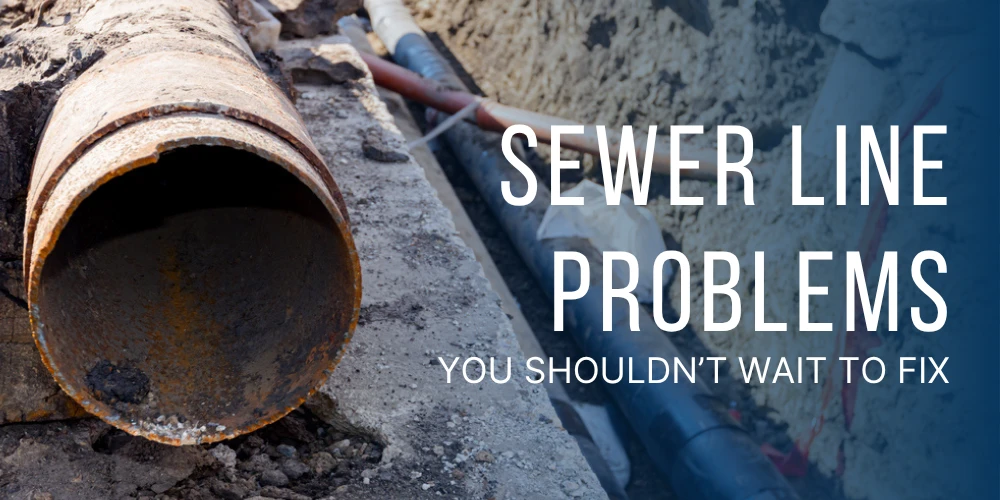
Backed-Up Sewer Lines
Warm weather can worsen conditions inside your sewer system, especially when combined with summer storms. Tree roots stretch farther to find moisture, often invading sewer pipes. These are the usual hints of backed-up sewer lines:
- Slow-draining sinks
- Gurgling toilets
- Foul odors
When these signs appear, the most effective course of action involves the following steps:
- Frequent clogs or slow drains may signal a deeper issue—consider having a plumber inspect your sewer lines.
- Request hydro jetting to break up tough clogs and clean the line more thoroughly than a snake.
- Avoid flushing wipes or sanitary products that can worsen an already compromised sewer line.
- Trim trees near sewer lines to reduce the chance of root intrusion.
- Install a backwater valve if your home is prone to flooding from municipal sewer systems during storms.
Clogged Kitchen Drains from Summer Cooking
Summer often brings more grilling, gatherings, and family meals, which means extra dishwashing, cooking grease, and food scraps going down the drain. Grease solidifies as it cools, binding to food particles and creating tough blockages. To stop the buildup before it starts, consider the following:
- Dispose of grease and cooking oil in sealed containers rather than pouring them down the sink.
- Put a sink strainer in the drain to stop food debris from going down.
- Run cold water during and after using the disposal to help flush materials through.
- Clean your disposal with ice and vinegar to break up built-up residue and keep blades sharp.
- Schedule drain cleaning services if water drains slowly, even after light use.
These summer plumbing issues are entirely preventable with attention and smart kitchen habits.
Overworked Toilets During Vacation Season
When school is out, and guests come over, toilets get much more use. That added strain often exposes hidden problems like minor leaks or worn-out parts. To make sure your bathroom handles the higher demand, follow the steps below:
- Look for leaks inside the tank and around the toilet's base.
- Check the flush handle and chain to ensure they work smoothly without sticking.
- Listen for running water after the tank stops filling—this signals a faulty flapper.
- Replace worn-out internal parts like fill valves or flappers before guests arrive.
- Tighten any loose bolts or seat connections that may worsen with increased use.
Water Heater Stress in Hot Weather
Hot weather should give your water heater a break, but summer adds stress. High groundwater temperatures and increased water usage wear on aging systems. Activities like extra showers, laundry, and running dishwashers multiple times a day all add up. To maintain steady performance, look into the following:
- Eliminate sediment accumulation that compromises water quality and efficiency by flushing your water heater tank.
- Lower the thermostat setting slightly—save energy and avoid scalding water.
- Examine the tank and the area surrounding the fittings for indications of corrosion or rust.
- Inspect the pressure release valve to confirm it’s working correctly.
- Have a professional inspection if your heater is over 8-10 years old or shows signs of wear.
Solve Problems Before They Get Worse
Summer brings more than sunshine and vacations—it also brings unique challenges to your plumbing system. Sprinkler and hose leaks, backed-up sewer lines, clogged kitchen drains, overworked toilets, and stressed water heaters are some of the most common summer plumbing issues in Bessemer, AL. Addressing these problems before they escalate will save you time, money, and hassle.
Taking care of seasonal plumbing repairs early reduces the risk of expensive emergency visits and helps your system run more efficiently all summer. Don't wait for minor problems to become big ones; whether a simple part replacement or professional drain cleaning, the proper fix at the right time makes all the difference.























Sign in to leave a comment.