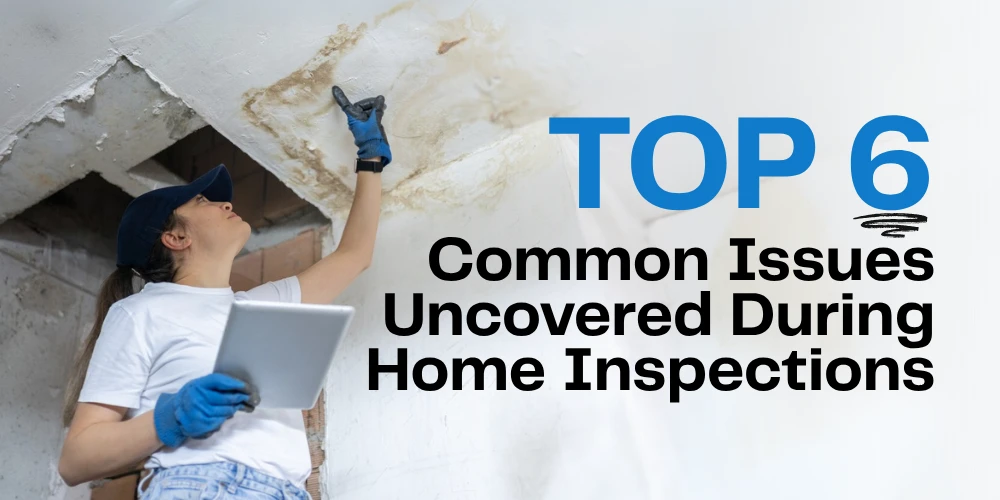

A home inspection reveals much more than surface-level details—it provides a clear picture of a property's condition. The most valuable property inspection findings often reveal minor problems before they become expensive repairs. Keep reading to learn about the most common issues inspectors uncover and why they matter.
1. Electrical System Hazards
Electrical problems rank among the most serious home inspection issues. Inspectors frequently uncover the following hazards:
- Outdated wiring, such as knob-and-tube or aluminum, may not meet modern safety standards.
- Overloaded breaker panels can't safely support current energy demands.
- Missing ground-fault circuit interrupters (GFCIs) in required areas increases the risk of an electric shock.
These problems require immediate attention. Keep in mind the following:
- Fire risks increase with old or overloaded systems.
- Code violations can delay a sale and add repair costs.
- Safety concerns require prompt action to protect occupants and ensure compliance.
Correcting these helps maintain a safe, functional, and market-ready home.
2. Roofing Problems
Roof issues are among the most common inspection problems during home evaluations. It usually goes unnoticed until visible damage appears, so early detection matters. Improper installation reduces durability and overall roof performance. During inspections, professionals often discover roofing issues that may need repair, such as:
- Worn or missing shingles leave the roof vulnerable to moisture, raising the chances of leaks.
- Flashing gaps near chimneys, vents, or skylights that let moisture seep in.
Ignoring these problems may lead to more serious damage, such as:
- Leaks can form and spread, damaging interior materials.
- Moisture intrusion may cause mold, rot, or insulation breakdown.
- Interior ceilings and walls often develop stains or structural issues from water exposure.
Addressing roofing concerns helps maintain your home's condition and prevent higher repair costs later.
3. Plumbing System Concerns
Plumbing issues are common property inspection findings, often seen in older and newer homes. Inspections usually reveal the following:
- Slow leaks under sinks or behind walls may cause moisture buildup over time.
- Pipe corrosion reduces water pressure and increases the risk of failure.
- Outdated materials, like galvanized steel or polybutylene, are more prone to deterioration and leakage.
Timely plumbing repairs help prevent water damage, reduce costs, and maintain structural stability.
4. HVAC Performance Issues
HVAC systems are essential for maintaining home comfort and energy efficiency. During evaluations, inspectors check them for concerns that impact daily use and long-term costs. The following HVAC problems frequently appear in home inspections:
- Aging units that no longer meet efficiency standards or operate reliably.
- Clogged filters limit airflow and hinder overall system efficiency.
- Malfunctioning thermostats lead to uneven temperatures and wasted energy.
- Unusual noises or weak airflow often point to wear on internal components or duct problems.
These issues can affect day-to-day living and a property's appeal during a sale. They may lead to the following:
- Increase utility bills and reduce comfort.
- Costly repairs or replacements are required soon after purchase.
- Signal poor maintenance, which may concern buyers.
5. Foundation and Structural Cracks
Structural issues often start small but can escalate quickly. The following are warning signs that may indicate hidden foundation problems:
- Wall cracks, especially around doors, windows, or ceiling joints, often result from settling or shifting.
- Sloping floors or uneven surfaces suggest movement in the foundation or weakened subfloor supports.
- Basement moisture or pooling water may signal cracks in the foundation or poor drainage outside the home.
- Windows and doors that stick or misalign can reflect gradual structural changes.
These signs affect safety and home value. It can lead to the following:
- Expensive repairs
- Lower buyer confidence and appraisal value
- Threaten long-term structural stability
6. Drainage and Grading Deficiencies
Proper exterior drainage is essential to protect a home's foundation. Additionally, improper grading causes rainwater to flow toward the foundation instead of going the other way. It often leads to water accumulation and related damage, such as:
- Clogged or damaged gutters allow overflow that pools near the base of the home.
- Short or missing downspout extensions deposit water too close to the structure.
- Low spots in landscaping hold moisture and increase the risk of infiltration.
These common home inspection findings often go unnoticed, which can result in the following issues:
- Water seepage into basements or crawl spaces.
- Mold growth due to prolonged dampness near or inside the home.
- Foundation stress from repeated exposure to standing water.
Get Ahead of Home Issues!
It’s easy to overlook what's behind the walls or beneath the surface, but these details can reveal serious concerns. Therefore, identifying key home inspection issues such as drainage problems, insulation failure, or HVAC inefficiencies helps you avoid unexpected expenses. Whether buying or selling, catching common home inspection problems upfront gives you more control and fewer surprises.
Schedule a professional review to protect your investment and stay ahead of potential property inspection findings. Start by addressing your home inspection issues in Delaware County and confidently move forward.
























Sign in to leave a comment.