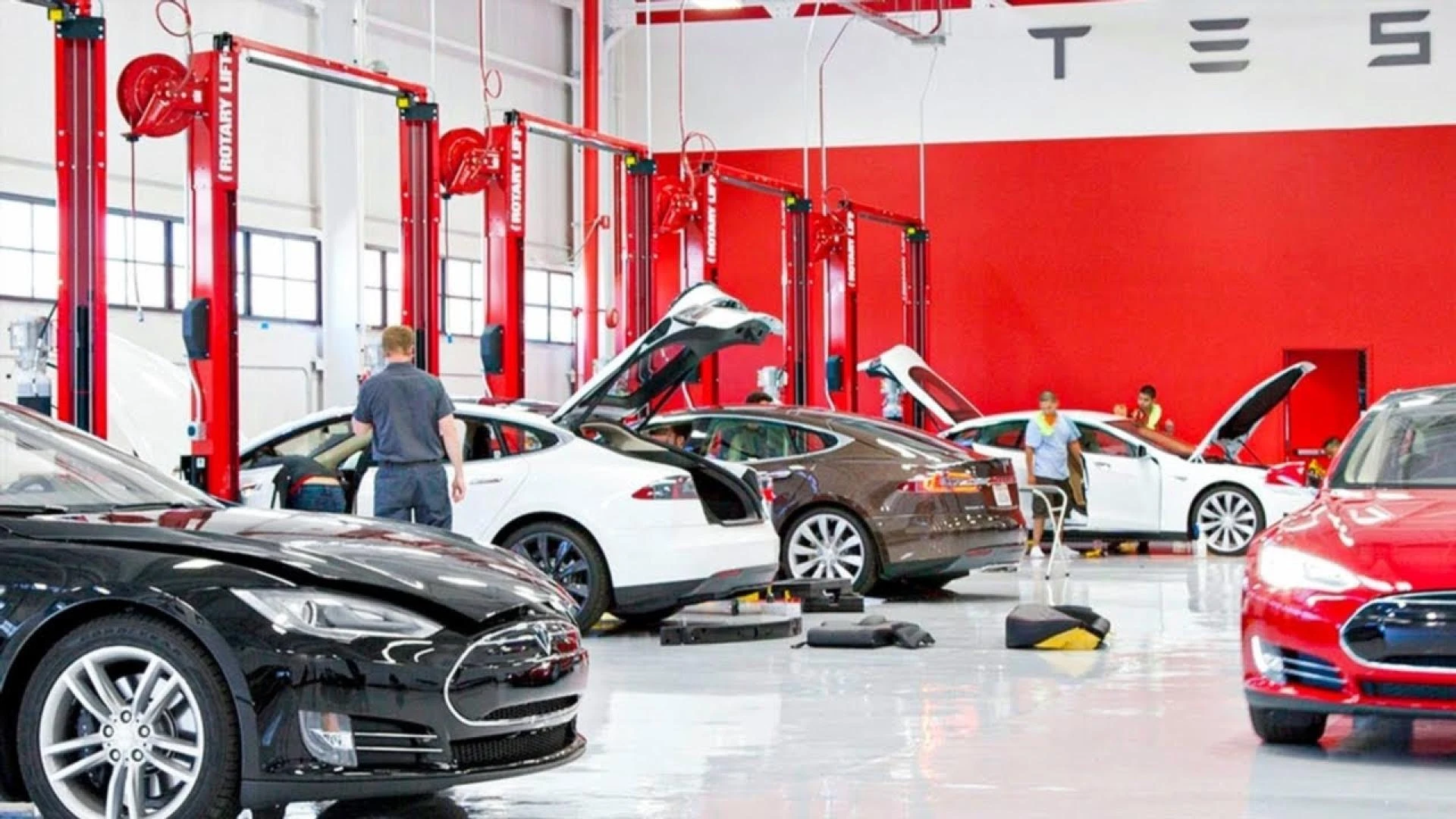
Owning a Tesla offers a driving experience distinct from traditional internal combustion vehicles, characterized by instant torque, minimalist interiors, and advanced software integration. However, the unique engineering that defines these vehicles also introduces a specific set of mechanical and structural challenges that general auto repair shops often lack the training to address. When sophisticated electronics malfunction or specialized aluminum body panels sustain damage, the primary concern for owners becomes finding a service provider capable of restoring the vehicle to factory standards without the extended wait times typical of dealership Tesla service centers.
Reliable maintenance for these high-performance electric vehicles requires a technician who understands more than just nuts and bolts; they must possess deep knowledge of high-voltage systems, proprietary software diagnostics, and specific metallurgy. Owners in Pennsylvania face the reality that a standard mechanic cannot simply swap out parts on a Model S or Model 3. Effective repair demands specialized tooling and certification to ensure safety and functionality are preserved. This reality drives the need for dedicated facilities that focus specifically on the intricacies of the Tesla platform.

Specialized Solutions for Electric Vehicle Maintenance
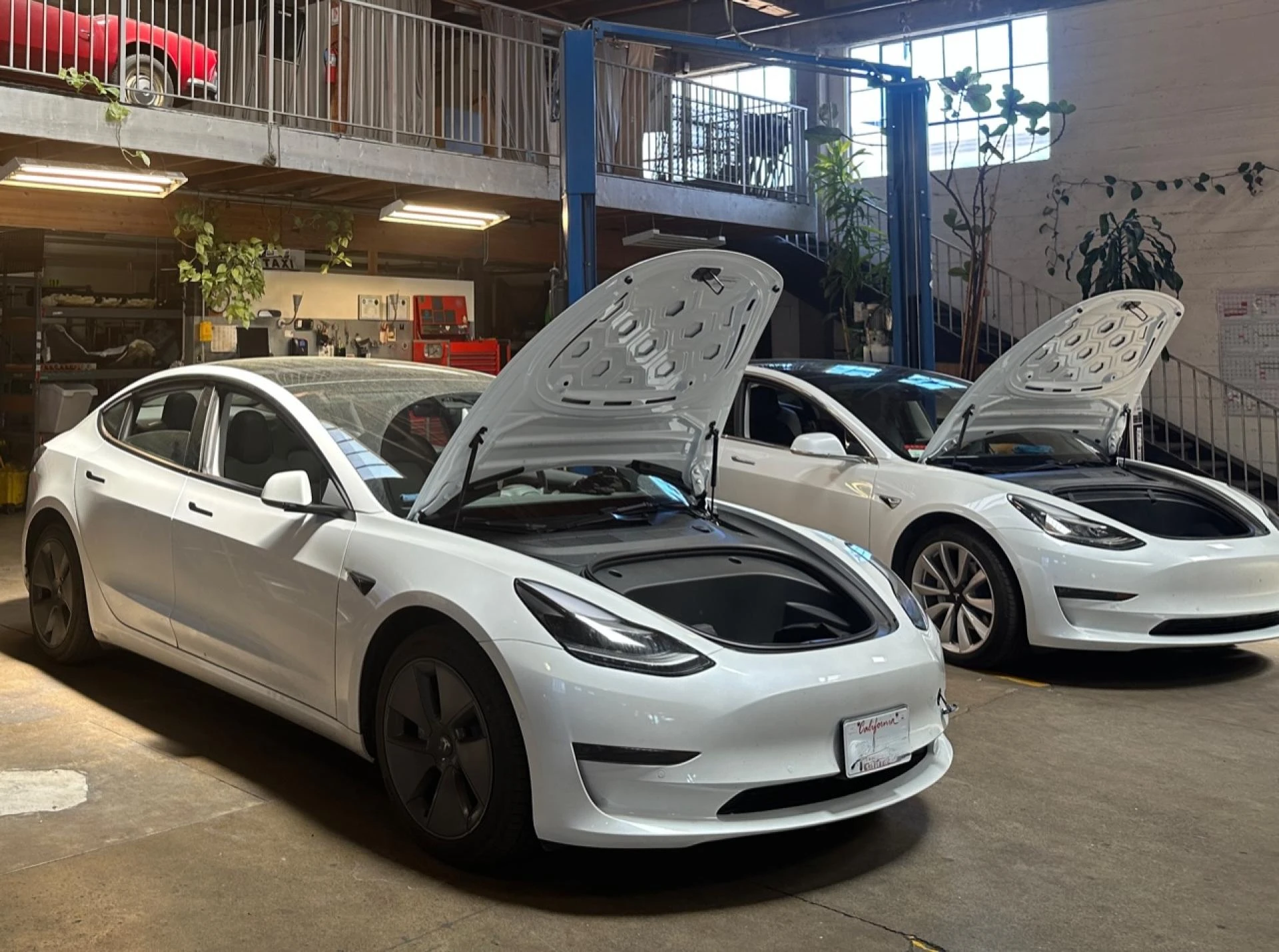
For drivers in Feasterville-Trevose and the surrounding areas, Quality Tesla Service has emerged as a dedicated resource for addressing these complex requirements. We have established a facility equipped to handle the full spectrum of electric vehicle needs, from cosmetic restoration to critical system updates. By focusing on the specific architecture of Tesla models, they provide a viable alternative to the manufacturer's service centers, often delivering faster turnaround times while maintaining rigorous quality standards.
The team at this facility approaches every repair with an understanding of the interconnected nature of EV systems. A simple collision repair, for example, often requires recalibrating sensors and running software checks to ensure Autopilot features function correctly. Our technicians utilize factory-grade diagnostic tools to identify root causes rather than just treating symptoms.
Core services provided include:
- Tesla Battery Replacement: Diagnostics and replacement for high-voltage battery packs and modules.
- Auto Collision Repair: Full-scale restoration of body integrity following accidents.
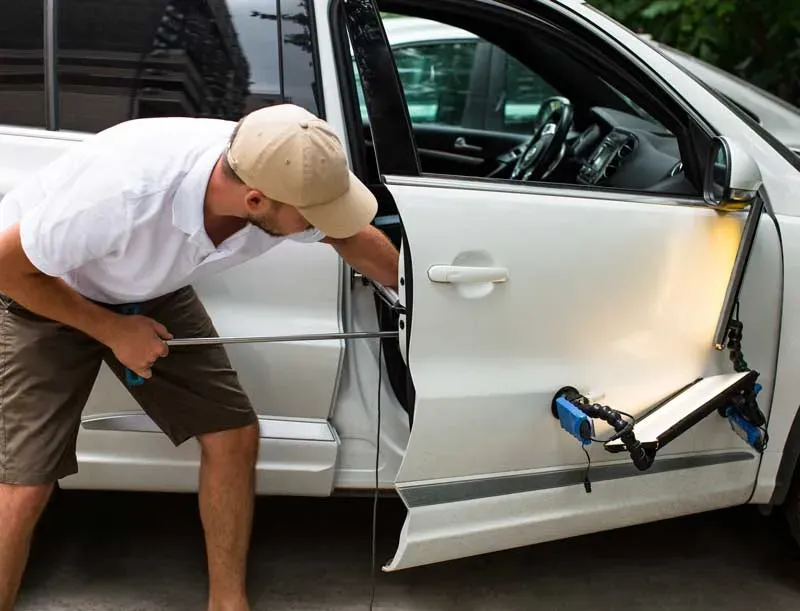
- Dent Removal: Precision techniques for removing minor impacts without compromising paint.
- Premium Tesla Paint Service: Color matching and refinishing that adheres to factory specifications.
- Structural Repairs: Realigning the chassis and frame using specialized tensioning equipment.
- Glass Repair And Replacement: Installing windshields and panoramic roofs with sensor calibration.
- Software Updates And Diagnostics: Troubleshooting system glitches and MCU failures.
- Wheel And Tire Services: Alignment and replacement optimized for heavy electric vehicles.
Addressing Structural Integrity and Aluminum Body Work
The construction of a Tesla differs significantly from standard steel-bodied cars. To maximize range and performance, manufacturers utilize extensive aluminum alloys in the chassis and body panels. While aluminum offers excellent weight reduction, it presents unique challenges during collision repair because it does not have the same "memory" as steel. When steel is bent, it can often be hammered back into shape; aluminum, conversely, tends to crack or tear if not manipulated with precise heat and tension.
The Complexity of Aluminum Panel Restoration
Repairing aluminum requires a completely different environment and toolset than steel repair. If steel shavings come into contact with aluminum panels, it can cause galvanic corrosion, leading to paint bubbling and structural weakness years down the line. Quality Tesla Service maintains a clean, cross-contamination-free zone specifically for these repairs. Our technicians use dedicated aluminum stud welders and pulse MIG welders designed to bond the metal without overheating it. This attention to metallurgical science ensures that a repaired fender or quarter panel retains its original strength and crash safety rating.

Precision in Structural Realignment
Following a significant impact, the unibody structure of the vehicle may shift. Even a millimeter of deviation can affect wheel alignment, battery safety, and the closure of doors and trunks. Professional technicians employ laser-measuring systems to assess the frame geometry against factory blueprints. For Tesla vehicles, this step is non-negotiable. The battery pack sits at the floor of the chassis, acting as a stressed member of the structure. Any deformation in the frame puts the battery at risk. Professional service centers prioritize the structural integrity of the battery housing above all else, ensuring that the car is safe to drive and charge after a collision.
| Feature | Specialized Tesla Repair Center | General Auto Body Shop |
|---|---|---|
| Material Expertise | Certified in aluminum welding and bonding | Primarily experienced with mild steel |
| Equipment | Laser frame measuring & isolated clean rooms | Standard frame racks & mixed workspaces |
| Diagnostic Tools | Proprietary software for sensor recalibration | Generic OBD-II scanners (often incompatible) |
| Parts Sourcing | Direct access to OEM Tesla components | Reliance on aftermarket or salvage parts |
| Technician Training | Specific high-voltage safety certification | General ASE certification (often ICE focus) |
Resolving Electronics and Autopilot Malfunctions
Tesla vehicles are often described as computers on wheels, and like any computer, we are prone to hardware glitches and software bugs. The Model S and Model X, in particular, have well-documented histories with Media Control Unit (MCU) failures, where the touchscreen becomes unresponsive, develops yellow borders, or goes completely black. Since the screen controls nearly every function of the car—from climate control to charging settings—a failure here renders the vehicle practically unusable.
Diagnosing MCU and Screen Failures
Replacing a screen is not as simple as swapping a monitor. The MCU contains the vehicle's memory chips, which log data continuously. Over time, these chips can wear out, leading to system failures. A professional service center does not just replace the screen; we ensure the data transfer is handled correctly and that the new unit is fully integrated with the car's specific VIN and configuration. Technicians at specialized shops can often perform chip upgrades or replacements that prevent the issue from recurring, extending the life of older models without the need for a completely new infotainment system.
Sensor Calibration and Ghost Braking Issues
One of the most frequent complaints from drivers involves "phantom braking," where the car abruptly slows down while in Autopilot due to a perceived obstacle that isn't there. This is often caused by misaligned cameras or dirty sensors. Whenever a windshield is replaced or a bumper is removed for painting, the car's array of cameras and radar sensors must be recalibrated. Quality Tesla Service utilizes distinct targeting boards and software routines to realign these sensors. This process ensures the vehicle accurately perceives its surroundings, restoring reliability to the driver-assist features and providing peace of mind on the highway.
Managing High-Voltage Battery Health and Charging
The high-voltage battery pack is the single most expensive component in an electric vehicle. While these batteries are designed to last hundreds of thousands of miles, issues can arise regarding range degradation, charging port failures, or thermal management system leaks. Owners often panic when they see a "Maximum Battery Charge Level Reduced" warning, fearing a total battery failure. However, the issue is frequently isolated to a specific module or a peripheral component rather than the entire pack.
Thermal Management System Repairs
Teslas rely on an advanced liquid cooling system to keep the battery at an optimal temperature during driving and Supercharging. If this system develops a leak or a pump fails, the battery can overheat, triggering safety shutdowns. Professional technicians pressure test the cooling loops to identify leaks that may not be visible to the naked eye. repairing a cooling line or replacing a specific valve is a fraction of the cost of a battery replacement, but it requires a technician who knows exactly where to look.
Charging Port and Onboard Charger Diagnostics
Sometimes the problem isn't the battery, but the pathway to it. The charge port door can become misaligned, or the locking pin that secures the charging cable can fail, preventing the car from taking a charge. Additionally, the onboard charger (the component that converts AC power from a wall outlet to DC power for the battery) can experience faults. An expert diagnostic service can isolate whether the issue lies with the external wall connector, the vehicle's charge port, or the internal power conversion hardware, saving the owner from unnecessary and expensive parts swapping.
Suspension Wear and Tire Maintenance for Heavy EVs
Electric vehicles are significantly heavier than their gas-powered counterparts due to the weight of the battery pack. This added mass places immense stress on suspension components and tires. It is not uncommon for Tesla owners to experience suspension noises or uneven tire wear much earlier than they would on a standard sedan.
Correcting Control Arm Squeaks and Rattles
The upper control arms on the Model 3 and Model Y are notorious for developing a squeak or creak, often described as an "old mattress" sound. This usually results from moisture entering the ball joint due to insufficient sealing from the factory. Rather than simply lubricating the joint—a temporary fix—professional mechanics replace the control arms with updated components that feature better sealing and more durable bushings. This resolves the noise permanently and restores the tight, responsive handling characteristic of the vehicle.
Alignment and Tire Longevity
Because of the instant torque and heavy weight, Teslas can chew through tires if the alignment is even slightly off. The factory alignment settings are often aggressive to enhance handling, but this can lead to rapid inner-edge tire wear. A specialized shop can adjust the alignment to a "street" specification that sacrifices a negligible amount of cornering capability in exchange for significantly longer tire life. We can also recommend and install tires specifically designed for EVs, which feature noise-canceling foam inserts and stiffer sidewalls to handle the load.
Conclusion
The ownership experience of a Tesla is defined by innovation, but maintaining that experience requires a shift in how repairs are approached. These vehicles demand a service provider that combines the precision of a software engineer with the craftsmanship of a master body technician. From complex aluminum structural repairs to recalibrating delicate sensors, the specific needs of these cars cannot be met by generalists. Owners protect their investment and safety by choosing technicians who utilize the correct tooling and demonstrate a deep understanding of the platform's unique engineering. By addressing small noises, alerts, or cosmetic damage promptly with professional help, drivers ensure their electric vehicles remain reliable and enjoyable for the long road ahead.
Expert Care for High-Performance Electric Vehicles
When sophisticated automotive engineering demands professional attention, Quality Tesla Service provides the expertise to keep vehicles running at peak performance. Located in Feasterville-Trevose, PA, this facility is dedicated to serving the local community with specialized knowledge in electric vehicle maintenance and repair. Our technicians are committed to delivering precision workmanship, whether the job involves a routine battery check or extensive collision restoration.
For diagnostics, structural repairs, or maintenance inquiries, reach out to the team directly.
Contact Quality Tesla Service: Phone: (215) 355-5019 Email: [email protected]
FAQs
Do I need to go to a dealership for Tesla collision repair? You do not need to use a dealership; specialized independent shops can handle these repairs effectively. Facilities with specific training and equipment for aluminum bodywork and EV systems often provide faster service while maintaining factory safety standards.
How often should the wheel alignment be checked on a Tesla? Alignments should be checked every 10,000 to 12,000 miles or whenever new tires are installed. Due to the heavy weight of the battery pack, electric vehicles are more sensitive to misalignment, which can lead to rapid and uneven tire wear.
Can a regular body shop fix a dent on a Tesla Model S? Standard body shops often lack the specific tools required for aluminum panel repair found on the Model S. Aluminum has no metal memory and requires specialized heating and pulling techniques to repair without cracking, making a specialized facility the safer choice.
What causes the squeaking sound from the front suspension? The squeaking noise often originates from moisture intrusion in the upper control arm ball joints. This is a known issue where the factory seal fails, and the permanent fix involves replacing the control arm with an updated part rather than just applying lubricant.
Is it possible to repair the touchscreen if it turns yellow or goes black? Yes, professional technicians can often repair the Media Control Unit (MCU) without replacing the entire system. In many cases, replacing the faulty memory chip or the LCD panel resolves the issue, restoring full functionality to the vehicle's central control hub.
Sign in to leave a comment.