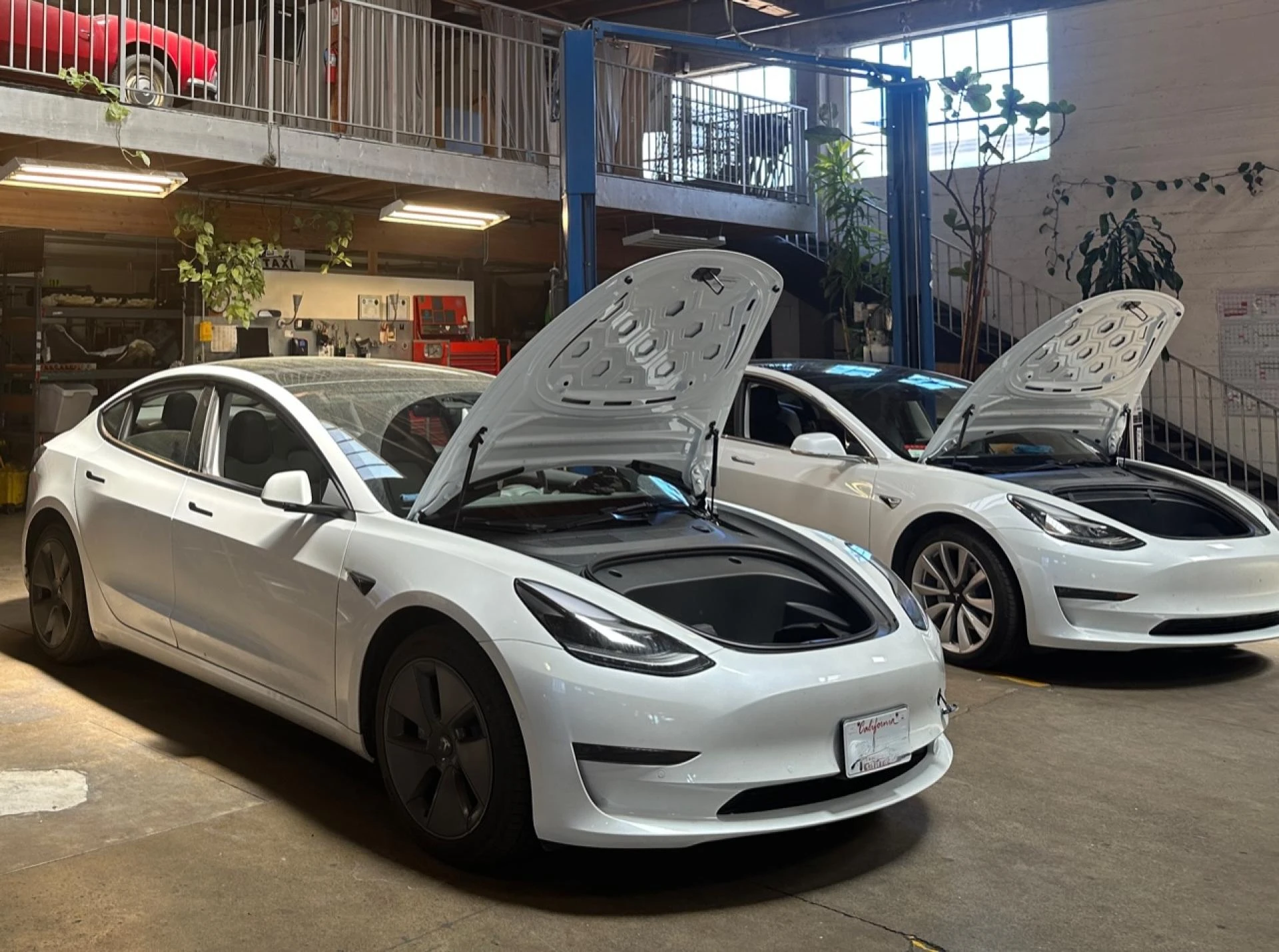
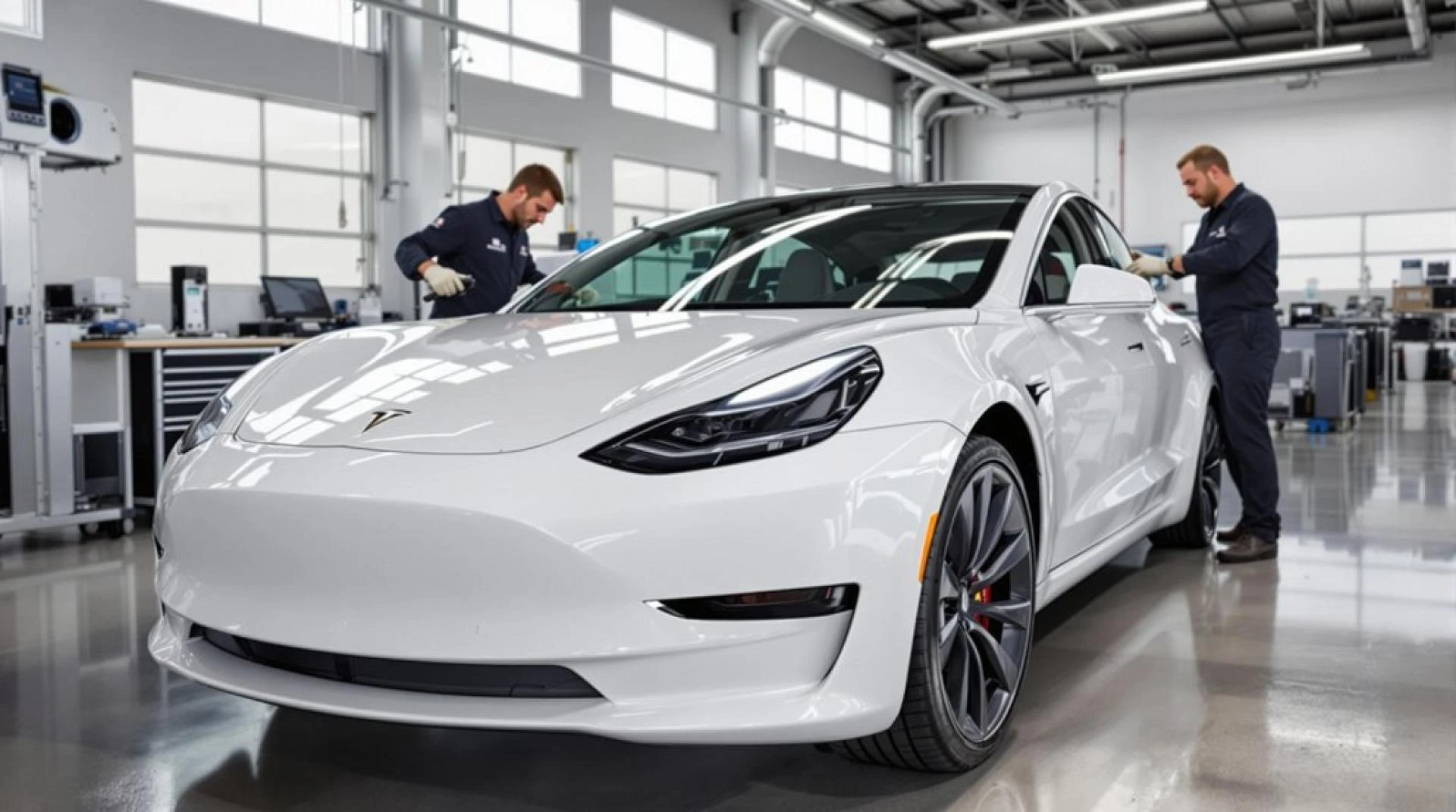
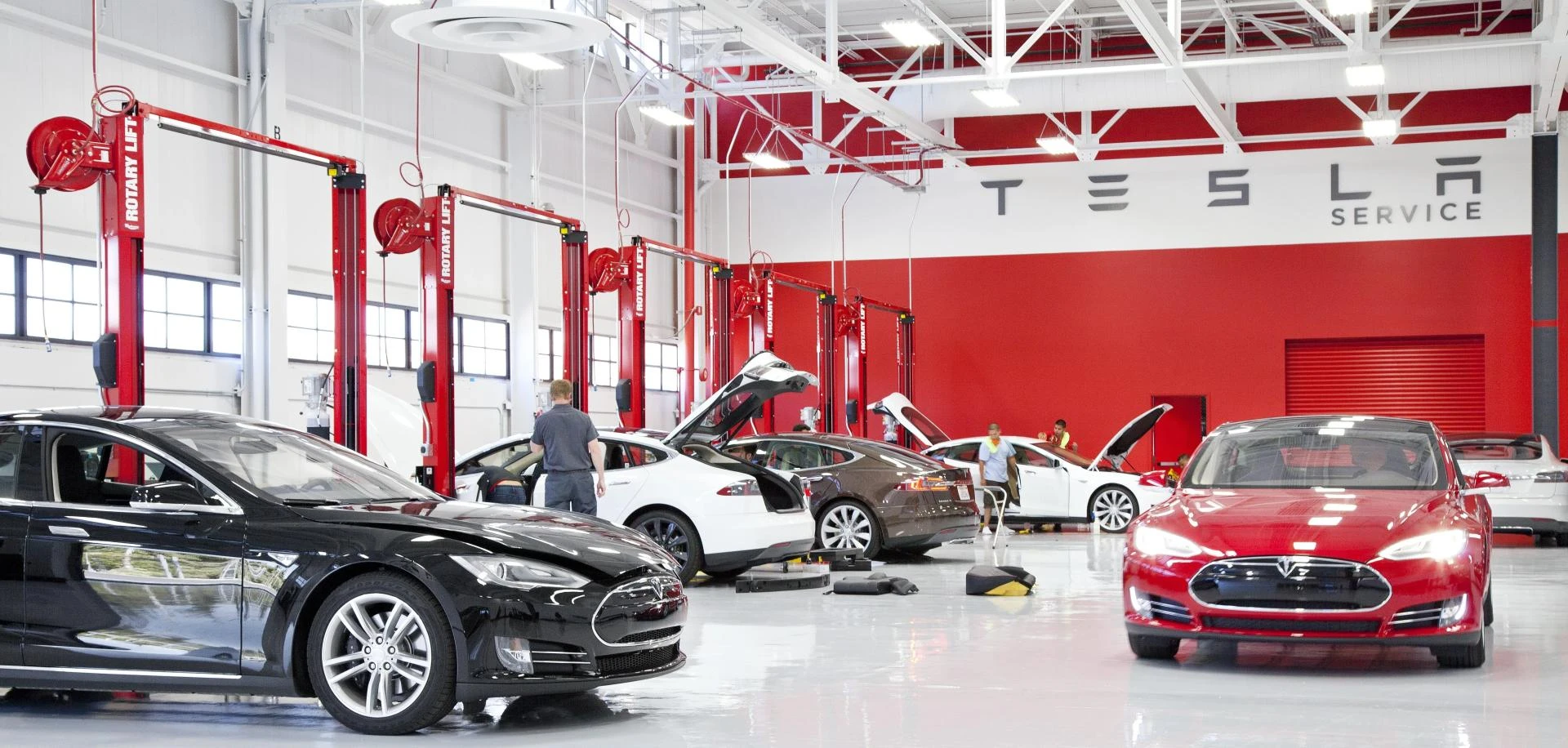
Visiting a Tesla service center ensures that a Tesla receives care from technicians trained in high-voltage safety protocols and proprietary diagnostic software. Unlike general automotive repair shops, these facilities possess the specific tooling required to lift the vehicle correctly without damaging the battery pack and the equipment necessary to handle aluminum body repairs. Choosing a focused provider guarantees that maintenance adheres to manufacturer standards, preserving both the vehicle's warranty and its resale value.
Electric vehicles (EVs) operate on fundamentally different architecture than internal combustion cars. A standard mechanic may be excellent at rebuilding a transmission but lacks the certification to de-energize a 400-volt battery system safely. For owners in Feasterville-Trevose, utilizing a specialized center means the difference between a precise, efficient repair and a trial-and-error approach that could lead to further complications.
Access to Proprietary Diagnostic Ecosystems
Modern Teslas are essentially sophisticated computers on wheels. The primary benefit of a specialized center is their access to Tesla's proprietary "Toolbox" software. This digital interface allows technicians to communicate directly with the vehicle's firmware. Without this connection, a mechanic cannot properly diagnose battery isolation faults, calibrate cameras after a windshield replacement, or reset the body control module after installing a new door handle.
General OBD-II scanners, common in most auto shops, provide limited data on EVs. They might read basic error codes but cannot perform the active tests required to pinpoint a thermal management leak or a drive unit inverter failure. A specialized facility invests in the correct digital infrastructure to see exactly what the car is thinking, leading to faster and more accurate resolutions.
High-Voltage Safety and Training
Safety stands as the most critical differentiator. The high-voltage system in a Tesla carries enough current to cause severe injury or death if mishandled. Specialized centers employ technicians who undergo rigorous training on "lock-out, tag-out" procedures. This process involves verifying that the vehicle is completely de-energized before any invasive work begins.
These shops are equipped with specific safety gear, including Class 0 high-voltage lineman gloves and insulated tools. A general repair shop may not have this equipment readily available, increasing the risk of accidents during repairs involving the air conditioning compressor or the onboard charger, both of which are tied to the high-voltage loop.
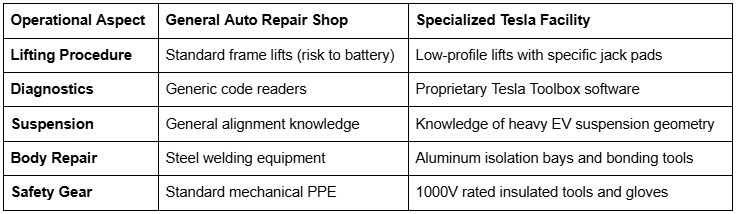
Comparison: General vs. Specialized Repair Capabilities
The following table highlights the operational differences between a standard garage and a facility dedicated to Tesla repair.
Regional Considerations for Pennsylvania Drivers
The climate and road conditions in Feasterville-Trevose present unique challenges that specialized technicians understand intuitively. The fluctuating temperatures in Bucks County, ranging from humid summers to freezing winters, impact electric vehicles differently than gas cars.
Addressing Winter Battery Performance
Local specialists know that Pennsylvania winters reduce battery efficiency. They can inspect the battery coolant heaters and thermal management valves to ensure the car can pre-condition itself effectively. If these components fail, the vehicle may struggle to charge in freezing temperatures or lose significant range.
Managing Road Salt and Corrosion
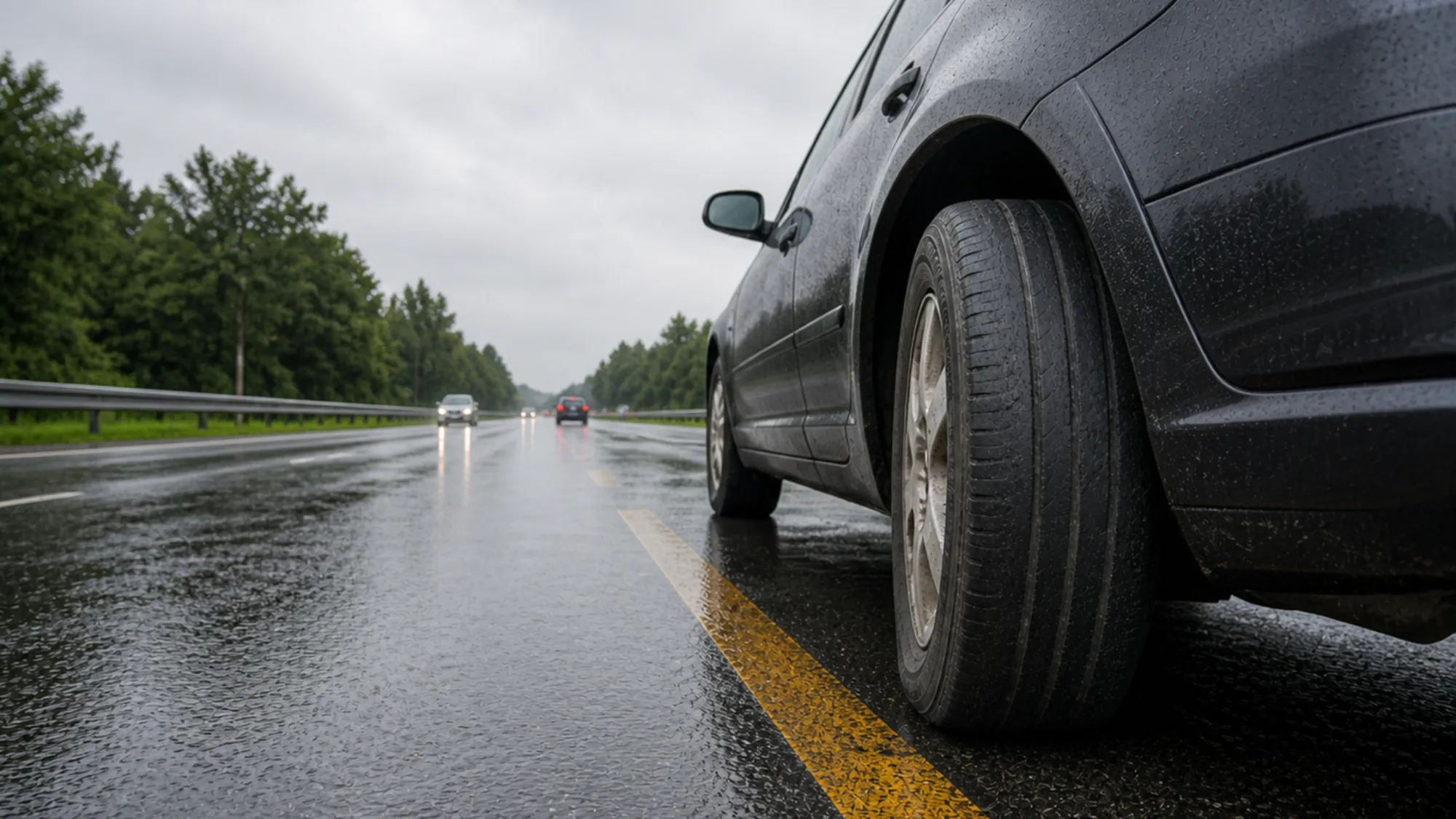
The extensive use of brine and road salt on local highways like the Pennsylvania Turnpike or Route 1 creates a corrosive environment. Since Teslas use regenerative braking, the physical brake pads engage less frequently. This lack of friction allows salt to build up on the rotors and calipers, leading to seized brakes. A specialized shop performs annual "clean and lube" services to prevent this specific issue, which is rarely a problem on standard cars that use friction brakes constantly.
Pothole Damage and Suspension
The heavy curb weight of a Model S or Model Y, combined with potholes common in the Northeast, accelerates suspension wear. Specialized technicians know to check the upper control arms and lateral links for play. They understand that a "clunking" sound often indicates a specific bushing failure that is common to the platform, allowing for a targeted repair rather than replacing the entire suspension assembly unnecessarily.
Things to Consider Before Making a Decision
When selecting a service provider, owners should evaluate the shop's ability to source parts. Tesla maintains a tight control on its supply chain. Authorized or specialized independent shops typically have established channels to acquire OEM (Original Equipment Manufacturer) parts like bumpers, headlights, and control modules. A general shop might struggle to source these items, leading to weeks of downtime.
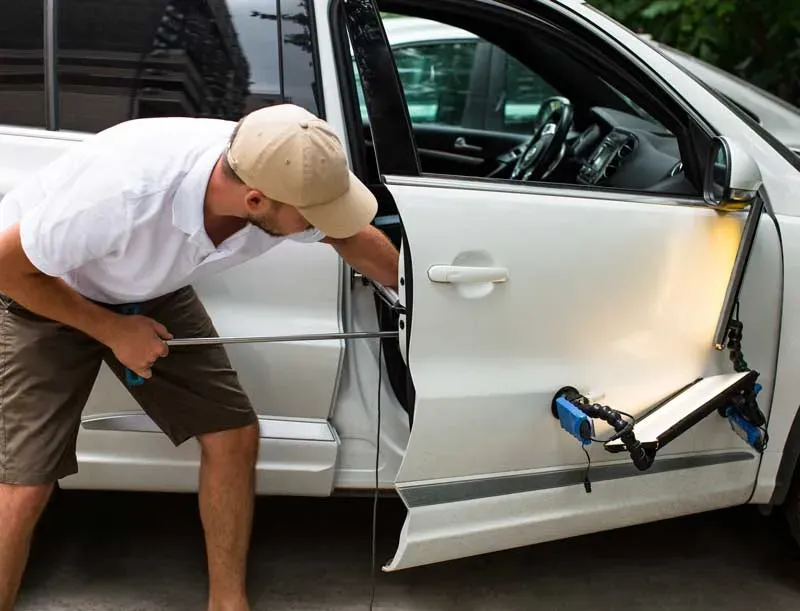
Another factor is the facility's setup for aluminum repair. Many Tesla panels are made of aluminum, which cannot be repaired in the same area as steel cars due to galvanic corrosion. This chemical reaction occurs when aluminum dust mixes with steel dust, causing the paint to bubble and lift months later. A specialized center will have dedicated isolation bays or separate tools to prevent this cross-contamination.
Bonus Tip: Inspect the Lifts
Before booking an appointment, ask how the shop lifts the vehicle. Teslas require specific "puck" adapters to lift the car by the frame rails without pressing on the battery pack. If a shop uses standard lift arms without adapters, they risk crushing the battery casing.
Market Data on EV Repair Trends
Industry analysis indicates that misdiagnosis is the leading cause of inflated repair bills for electric vehicles. Data suggests that EVs taken to generalist shops often face a 30% higher chance of return visits for the same issue compared to those serviced at specialized centers. Furthermore, labor times are often shorter at specialized shops because technicians do not need to research repair procedures; they are already familiar with the disassembly and reassembly steps.
Common Questions About Specialized Tesla Service
Will using an independent specialized shop void my warranty?
No. Under the Magnuson-Moss Warranty Act, a manufacturer cannot void a warranty simply because maintenance was performed by a third party, provided the work was done correctly using appropriate parts. However, warranty repairs (fixing factory defects) must be done by Tesla to be covered financially.
Why is labor often more expensive at specialized shops?
The hourly rate reflects the investment in training, safety equipment, and expensive proprietary software. While the hourly rate may be higher, the total bill is often comparable or lower because the diagnosis is accurate and the repair is performed efficiently.
Can they handle software updates?
Most system updates are done over the air (OTA). However, if a module is replaced (like a headlight or door handle), a specialized shop can force the necessary firmware redeployment to make the new part recognize the car.
do I need a special alignment?
Yes. Teslas run high tire pressures and negative camber for stability. A specialized shop uses alignment targets specifically designed for the vehicle's weight and geometry to prevent premature inner-tire wear.
How often should I service my Tesla?
While there are no oil changes, Tesla recommends specific intervals for brake fluid checks (every 2 years), cabin air filters (every 2-3 years), and tire rotations (every 6,250 miles).
Conclusion
The decision to use a specialized service center in Feasterville-Trevose is an investment in the long-term reliability of the vehicle. These facilities offer more than just mechanical repair; they provide peace of mind that the high-voltage systems are being handled safely and that the structural integrity of the car is maintained.
By understanding the unique needs of electric vehicles—from battery thermal management to aluminum bodywork—owners can avoid the pitfalls of general automotive repair. A specialized partner ensures that the car remains safe, efficient, and enjoyable to drive for years to come.
Professional Care for Your EV
For Tesla owners in the Feasterville-Trevose area seeking expert maintenance, Quality Tesla Service offers a dedicated facility equipped for electric vehicle repair. Their team possesses the technical training and diagnostic tools required to handle everything from routine inspections to complex system repairs.
They understand the specific impact of Pennsylvania roads on EV suspension and offer preventative services to combat winter corrosion. To discuss maintenance needs or schedule an appointment, contact them at (215) 355-5019 or send inquiries to [email protected]. Their focus remains on providing transparent, safe, and manufacturer-compliant service.





Sign in to leave a comment.