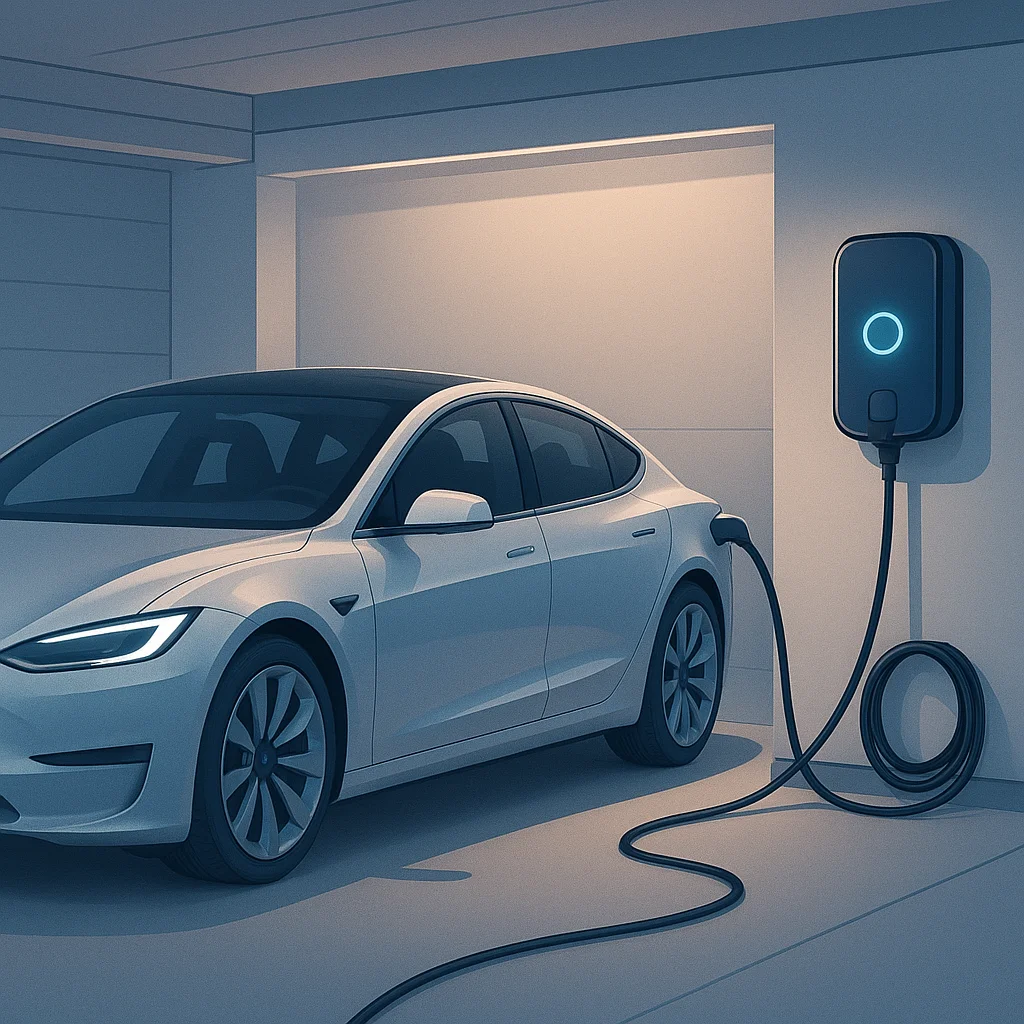

Charging Forward: The Rise of Home EV Stations
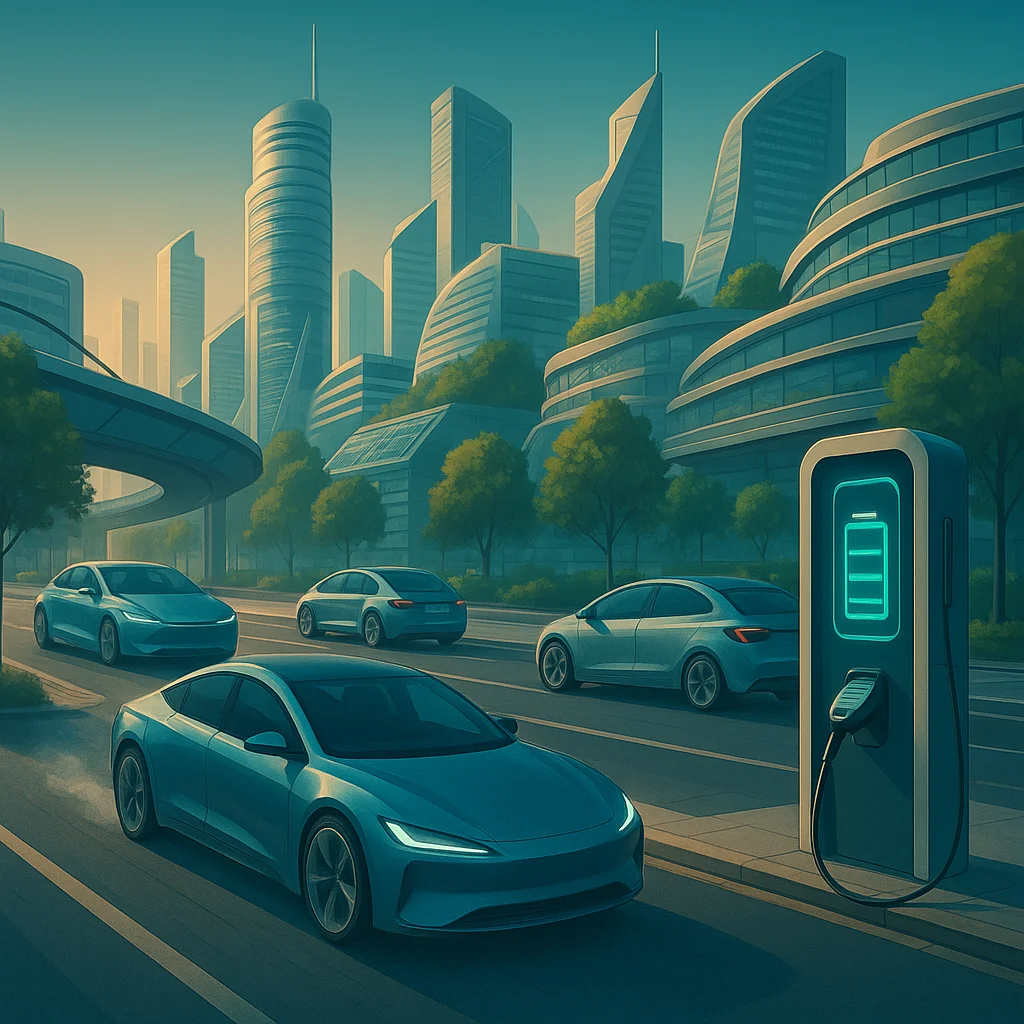
On a crisp spring morning in Barcelona, the sight of a sleek electric vehicle (EV) quietly charging at a residential driveway is becoming increasingly common. The city’s commitment to sustainable urban mobility, inspired by its blend of Gaudí’s organic architectural forms and forward-thinking urban planning, reflects a broader European trend: the rapid adoption of EVs. Yet, behind this quiet revolution is a crucial infrastructure component that often remains overlooked—the home EV charging station. Installing one is no longer a luxury but a necessity for EV owners who seek convenience, cost savings, and energy autonomy.
Statistics from the European Alternative Fuels Observatory indicate that over 40% of European EV owners now prefer home charging solutions due to their accessibility and faster turnaround compared to public stations. This shift has prompted a surge in demand for detailed guidance on installation, technical requirements, and cost-benefit analysis. As EV adoption accelerates, understanding the nuances of installing a home charging station is essential for homeowners, urban planners, and clean energy advocates alike.
“Home EV chargers are the backbone of the electric mobility ecosystem, providing the most user-friendly and cost-effective way to keep EVs ready for the road,” notes Dr. Marta López, a clean energy researcher at the Barcelona Institute of Sustainability.
In this comprehensive guide, we unpack everything from the technical basics to regulatory frameworks, current 2026 innovations, and future outlooks. Whether you live in a compact apartment in Eixample or a suburban villa near the Mediterranean coast, this resource will demystify the process and empower you to take control of your EV charging experience.
From Early Beginnings to Widespread Adoption: The Evolution of Home EV Charging
The journey of home EV charging installations is tightly intertwined with the broader history of electric vehicles. Early EVs in the 1990s and early 2000s largely relied on standard household outlets offering Level 1 charging—slow, inefficient, and often impractical for daily use. As EV technology advanced, so did the demand for faster, safer, and more reliable charging solutions.
Europe’s regulatory environment has played a pivotal role. The European Union’s Clean Mobility Package, introduced in the late 2010s, mandated member states to expand public and private charging infrastructure, incentivizing homeowners through subsidies and streamlined permitting processes. Spain, in particular, launched the MOVEA plan, which provided grants for home EV chargers, boosting installations across regions including Catalonia.
The technical standards also matured. The introduction of IEC 61851 and IEC 62196 charging connectors standardized interfaces, making installation more straightforward and compatible across EV models. Smart chargers emerged by the mid-2020s, integrating Wi-Fi connectivity for remote control, energy management, and load balancing—features critical for optimizing energy consumption amid rising residential solar installations in Spain.
Throughout this evolution, the core challenge remained clear: how to safely and efficiently bring EV charging into diverse home environments, from historic buildings in the Gothic Quarter to modern eco-homes in the outskirts.
Technical Foundations and Installation Essentials
Installing a home EV charging station involves several critical factors, each influencing the station’s performance, safety, and cost. At the heart is the charger type, rated by charging speed: Level 1 (slow, up to 2.4 kW), Level 2 (fast, up to 22 kW), and emerging Level 3 (ultra-fast, though mostly commercial). For most homeowners, Level 2 chargers strike the optimal balance between installation complexity and charging speed.
Key components include:
- Electrical Panel Capacity: Most homes require an electrical panel upgrade to accommodate the additional load. A 7 kW charger, common in Europe, demands a dedicated circuit of 32 amps.
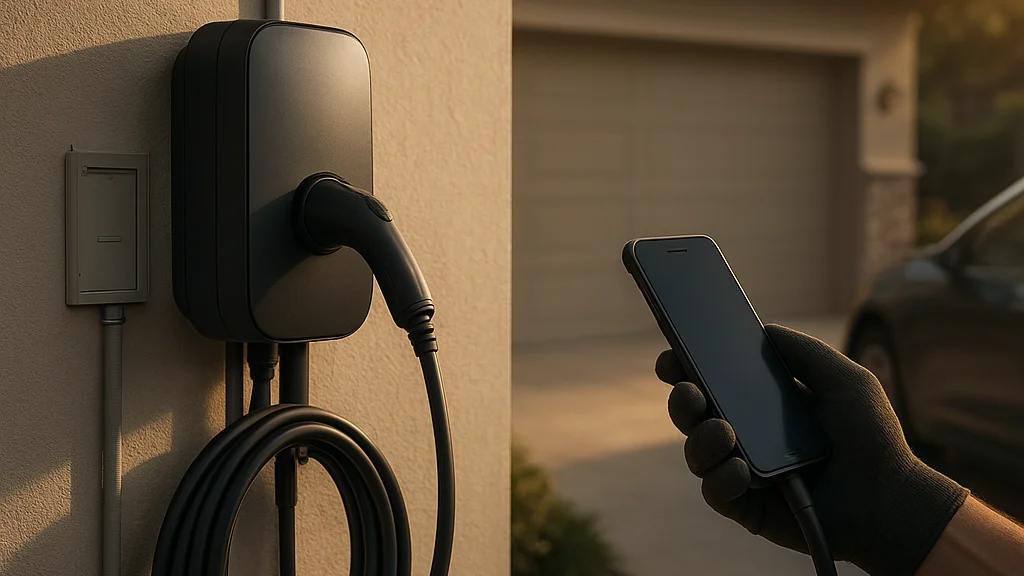
- Charger Location: Proximity to the parking spot, ease of cable management, and weather protection determine installation logistics. Many opt for wall-mounted chargers near garage entrances or driveway walls.
- Permits and Inspections: Local regulations govern electrical work. In Barcelona, homeowners must obtain a permit from the municipality and often hire a certified electrician to ensure compliance with UNE standards.
- Smart Features: Networked chargers enable scheduling to leverage off-peak electricity tariffs, integrating with home solar panels or battery storage for enhanced sustainability.
Safety remains paramount. Proper grounding, residual current devices (RCDs), and overload protection safeguard both users and the electrical system. According to the Spanish Association of Electrical Installers, adherence to these protocols has drastically reduced installation-related incidents.
“A well-installed home EV charger not only protects your vehicle and home but also enables you to participate actively in energy management strategies,” says Javier Molina, a senior electrical engineer in Madrid.
The cost spectrum varies widely depending on factors such as electrical panel upgrades, charger brand, and smart functionalities. On average, homeowners can expect to invest between €800 and €2,500, with grants and subsidies often offsetting a significant portion of this expense.
Current Innovations and Industry Trends in 2026
The year 2026 marks a pivotal moment for home EV charging technologies. The integration of Vehicle-to-Home (V2H) systems is gaining traction, allowing EV batteries to serve as home energy storage units during peak demand or power outages. This bidirectional charging capability transforms the EV from a mere transportation tool into a dynamic energy asset.
Barcelona’s ongoing solar energy initiatives support this trend, with thousands of rooftop solar installations paired with EV chargers creating self-sufficient energy ecosystems. Homeowners can now feed excess solar power stored in their EV battery back into their homes, reducing reliance on the grid and enhancing resilience.
Subscription models for EV charging hardware, such as the Pod Drive service documented by What Car?, offer homeowners alternatives to outright purchase. These programs provide installation, maintenance, and upgrades for a monthly fee, democratizing access to cutting-edge charging technology.
Key industry developments include:
- Faster, Smarter Chargers: New models achieve up to 22 kW charging speeds with AI-powered load management to optimize grid impact.
- Universal Compatibility: Advances in connector standards and protocols move toward seamless interoperability across brands and charging networks.
- Enhanced User Interfaces: Mobile apps now provide real-time diagnostics, energy usage reports, and integration with home energy management systems.
These innovations align with EU-wide goals to achieve carbon neutrality by 2050, making home EV chargers an integral component of the energy transition.
Expert Insights and Regulatory Landscape
Industry experts emphasize the importance of aligning home charging installations with broader energy policies and urban planning frameworks. The European Commission’s updated Alternative Fuels Infrastructure Directive (AFID 2) encourages member states to ensure that 100% of new residential buildings are equipped with EV charging infrastructure by 2030.
Experts like Dr. López highlight the interplay between technology and policy: “The future of home EV charging depends on creating a harmonized ecosystem where technology, regulation, and consumer behavior converge. Smart charging, V2H, and renewable integration are the pillars of this future.”
In Spain, recent legislative adjustments facilitate easier permit processes and provide tax incentives for residential EV charger installations. However, challenges remain, particularly in older buildings with outdated electrical systems and in dense urban environments where parking availability is limited.
Consulting with certified electricians and local authorities early in the planning process is crucial. Industry associations such as the Spanish Association of Electric Mobility (Aedive) offer resources and guidelines to assist homeowners.
“Regulations are evolving rapidly to keep pace with technology. Staying informed and proactive ensures that your home EV charger is both compliant and future-proof,” advises Javier Molina.
Practical Steps and Takeaways for Homeowners
For those ready to embark on installing a home EV charging station, a clear roadmap can simplify the process. Here is a step-by-step guide tailored to European homeowners:
- Assess Your Electrical System: Have a licensed electrician evaluate your home’s electrical panel and determine upgrade needs.
- Select the Appropriate Charger: Consider charging speed, smart features, and compatibility with your EV and home energy setup.
- Obtain Permits: Apply to your local municipality for necessary permissions, supported by professional installation plans.
- Schedule Installation: Hire certified professionals to install the charger, ensuring compliance with safety standards.
- Configure Smart Settings: Connect the charger to your home Wi-Fi and install the manufacturer’s app to optimize charging schedules and monitor usage.
Additional tips include exploring available subsidies such as the MOVEA program in Spain and considering future-proof options that accommodate growing EV household needs or vehicle-to-grid technologies.
For a deeper dive into installation specifics and regional variations, consult our related WriteUpCafe articles like Home EV Charging Station Installation Guide 2026 and The Future of Home EV Charging Station Installation: A Deep Dive.
By approaching installation with a strategic mindset, homeowners not only enhance convenience but also contribute to a cleaner, smarter energy future.




























Sign in to leave a comment.