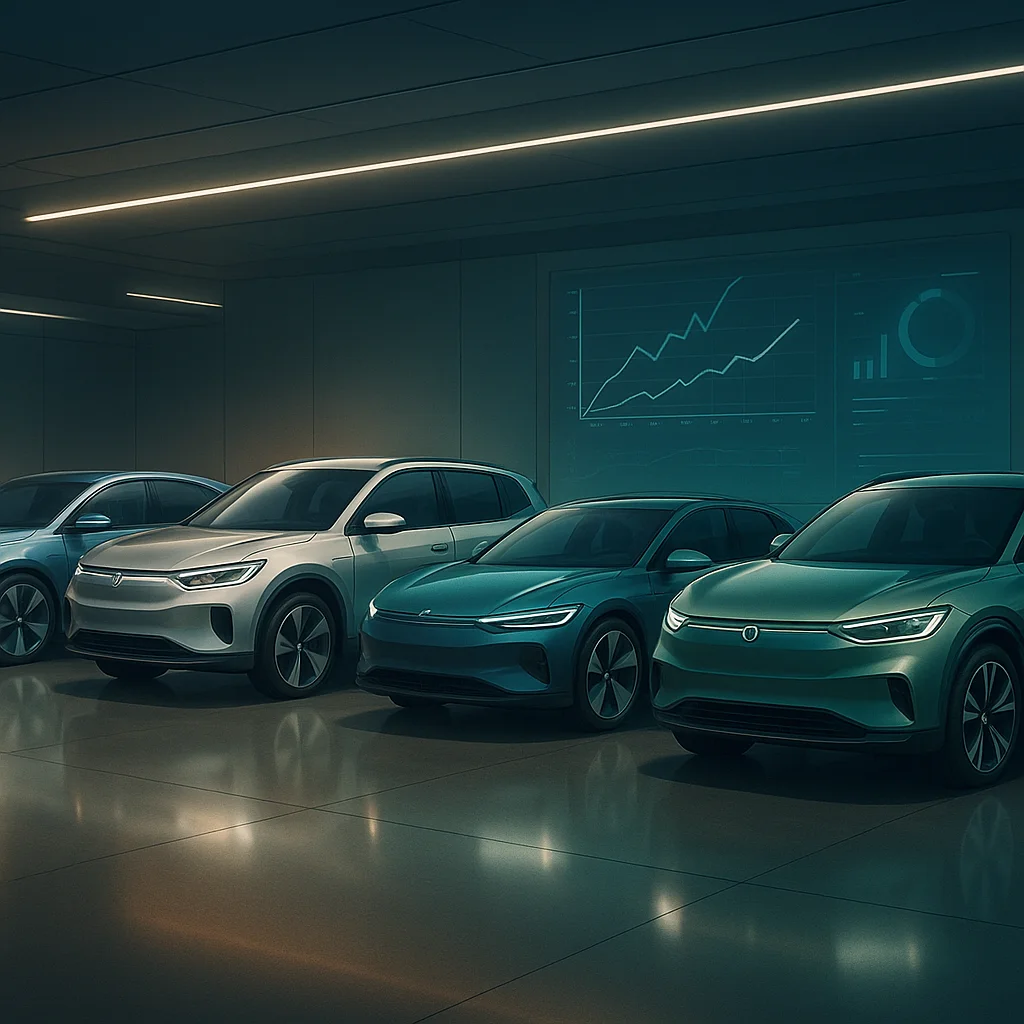

The Subtle Pitfalls of Electric Vehicle Selection
Imagine cruising through the winding streets of Barcelona on a sleek electric vehicle (EV), the Mediterranean sun reflecting off Gaudí’s mosaic tiles. The promise of an electric car is liberating: no emissions, instant torque, and often impressive range figures. Yet, beneath this alluring surface lies a minefield of subtle mistakes that buyers frequently make when prioritizing range and value in their EV purchase. These missteps don’t just compromise the driving experience but can also inflate long-term costs and diminish satisfaction.
Take the case of a recent EV buyer in Madrid who chose a vehicle boasting an advertised range of 400 kilometers. After a few months, real-world conditions—cold mornings, frequent urban stop-and-go, and use of air conditioning—dramatically reduced the range to barely 320 kilometers. The discrepancy left them scrambling for public chargers and questioning the value of their investment.
Such scenarios are increasingly common as the EV market grows rapidly worldwide. According to HonestJohn.co.uk, many consumers conflate advertised maximum range with average daily range, leading to unrealistic expectations. This article explores the most frequent errors buyers make when focusing on range and value, unpacking how to avoid them.
How the Electric Vehicle Landscape Evolved: Context Matters
The electric vehicle market has surged over the past decade, driven by climate imperatives and technological advances. Initially, EVs were niche products with limited range and high prices. Models like the Nissan Leaf and early Tesla Roadster set the stage but came with compromises on range or affordability.
By 2026, the scene has changed dramatically. European Union policies, such as the European Green Deal, have incentivized cleaner vehicles and expanded charging infrastructure, especially in urban centers like Barcelona. Manufacturers have improved battery technology, introducing solid-state batteries and enhancing energy density, which boosts range and reduces charging times.
Yet, with the broader array of models—from affordable compact EVs to luxury SUVs—the decision-making process has grown more complex. Consumers now must weigh range, price, charging convenience, battery longevity, and even resale value. Unfortunately, many buyers remain anchored to outdated perceptions or incomplete comparisons.
As electric vehicles become mainstream, understanding their evolution is essential to appreciating current buying challenges. The early hype around maximum range figures gave way to nuanced evaluations of real-world performance, total cost of ownership, and adaptability to individual needs.
Experts at WriteUpCafe emphasize that a vehicle’s advertised range is only one piece of the puzzle, urging buyers to consider usage patterns and local infrastructure.
Analyzing Core Mistakes: Range and Value Misconceptions Unveiled
When buyers focus on “best EVs for range and value,” several common misconceptions emerge. Here are the top mistakes, dissected with data and real-world insights.
- Overreliance on Manufacturer-Claimed Range: Manufacturers often present range estimates based on idealized conditions using standardized test cycles such as WLTP or EPA. These figures can differ by up to 20-30% from real driving scenarios. Cold weather, speed variations, and accessory use significantly impact actual range. For example, a Tesla Model 3 Long Range rated at 358 miles (approx. 576 km) can see this drop to near 450 km in colder European climates, per Car and Driver data.
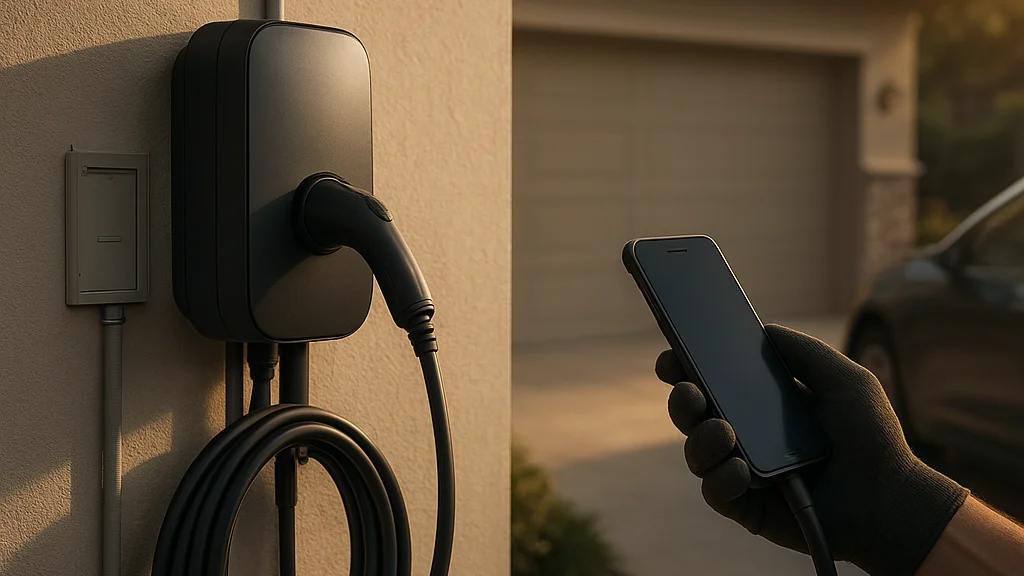
- Ignoring Charging Infrastructure Accessibility: A high-range EV is only as valuable as its ability to recharge conveniently. Urban dwellers without home charging rely on public stations, which vary widely in availability and speed. Spain’s solar energy initiatives have expanded charging options, but uneven distribution still causes gaps. Buyers who overlook this risk range anxiety and diminished daily usability.
- Focusing Solely on Purchase Price: The temptation to select the cheapest EV ignores total cost of ownership factors such as battery degradation, maintenance, insurance, and resale value. Some affordable models have lower battery warranties or slower charging capabilities, which can add hidden costs. MSN’s 2026 review on EVs under $40K highlights that a slightly pricier model with better battery tech often offers superior long-term value.
- Underestimating the Impact of Driving Style and Environment: Aggressive acceleration, hilly terrain, and frequent short trips can reduce range substantially. Drivers in cities like Barcelona, with its varied topography, must account for this. Overlooking environmental factors leads to disappointment when real-world range falls short of expectations.
- Neglecting Battery Longevity and Warranty Terms: Range diminishes with battery aging. Batteries degrade over years, and warranty terms differ by manufacturer and model. Not scrutinizing these details can result in costly battery replacements or resale difficulties. Industry experts advise prioritizing models with robust warranties and proven battery chemistries.
"Range is a critical metric, but it must be contextualized within everyday use, charging options, and total ownership costs," explains Dr. Lucia Hernández, a clean energy researcher at Barcelona’s Institute for Sustainable Mobility.
"Consumers often fall into the trap of comparing numbers on a spec sheet rather than considering how the vehicle fits their lifestyle," adds automotive analyst Marco Pellegrini.
Recent 2026 Developments Shaping Range and Value Evaluations
This year has seen notable shifts in the electric vehicle segment that directly influence how buyers should assess range and value.
Solid-State Battery Rollouts: Several manufacturers, including Hyundai and Volkswagen, have introduced solid-state battery EVs, promising longer range, faster charging, and improved safety. These batteries are less prone to degradation, addressing a key buyer concern. However, initial prices remain elevated, requiring buyers to balance upfront costs against potential savings.
Standardization of Real-World Range Metrics: Regulatory bodies in the EU and North America are pushing for standardized, real-world range testing protocols, helping buyers compare vehicles more transparently. Early adopters of these standards report improved consumer confidence and reduced complaints linked to range discrepancies.
Charging Network Expansion and Integration: In Spain, the government’s collaboration with private firms has led to over 10,000 fast chargers nationwide, with smart grid integration leveraging renewable energy sources like solar. This advancement reduces range anxiety, especially for urban users dependent on public infrastructure.
New Pricing Models and Incentives: Leasing options, battery subscription services, and government incentives have evolved to lower entry barriers. These financial tools enable consumers to access higher-range EVs without prohibitive costs, subtly shifting the value proposition.
Yahoo News Singapore highlights how these changes are already influencing buyer behavior, with increased demand for mid-range EVs balancing range and affordability.
Lessons from the Field: Case Studies and Real-World Examples
Examining individual buyer experiences and model performance sheds light on common errors and how to avoid them.
Case Study 1: The Compact Urban EV Buyer
A 28-year-old professional in Barcelona purchased a subcompact EV advertised with a 300 km range for daily commutes. However, frequent use of heating and air conditioning, combined with urban stop-start traffic, dropped the effective range to 220 km. Additionally, lack of a home charger forced reliance on public stations, which were occasionally occupied or out of service. This resulted in inconvenience and unexpected expenses.
The takeaway: Buyers should realistically assess daily mileage needs and local charging infrastructure before prioritizing range alone.
Case Study 2: The Long-Distance Commuter
A logistics manager in Madrid invested in a luxury EV with a 500 km range, expecting seamless long-distance drives. While the vehicle’s range met expectations, the high purchase price and costly maintenance eroded value. Moreover, the vehicle’s fast charging capacity was limited, leading to longer stops on highway trips.
This underscores the importance of evaluating not just range but charging speed and total ownership cost.
"Choosing an EV is not just about the longest range; it’s about how the car integrates with your lifestyle and budget," remarks Elena Garcia, an EV consultant based in Spain.
What the Future Holds: Insights and Takeaways
Looking ahead, the electric vehicle market will continue to mature, with innovations making range anxiety less relevant and value calculations more sophisticated.
Battery Technologies: Next-generation batteries will deliver higher capacities at lower costs, democratizing access to long-range EVs. Research in Barcelona’s solar-powered charging hubs exemplifies how renewable energy integration enhances EV usability.
Data-Driven Customization: AI-powered apps will tailor EV recommendations based on individual driving habits, climate conditions, and charging network proximity, reducing guesswork in buying decisions.
Policy and Incentives: The EU’s evolving regulatory landscape will likely introduce stricter transparency requirements for range claims and ownership costs, empowering consumers.
For prospective buyers, the main takeaways are clear:
- Investigate real-world range data and user reviews rather than relying solely on manufacturer specs.
- Consider total cost of ownership, including charging infrastructure access, battery warranty, and maintenance expenses.
- Match vehicle choice to lifestyle factors such as daily mileage, climate, and driving style.
- Stay informed of emerging technologies and policy changes that affect EV valuation.
For an in-depth exploration of choosing EVs with an eye toward future trends, readers may consult the WriteUpCafe article Top Electric Vehicles for Range and Value in 2026 and compare insights with Expert Tips for Choosing Between Hydrogen Fuel Cell and Battery Electric Vehicles.




























Sign in to leave a comment.